Waking frequently between 1-3 AM is either due to liver fire excess or liver blood deficiency. Remember these two remedies
Do you often wake up suddenly between 1 AM and 3 AM, tossing and turning and unable to fall back asleep? The next morning, do you wake up with a foggy head and low energy, affecting your work and life? This may be your liver sending you a health alarm through this method. In Traditional Chinese Medicine theory, human sleep is closely related to the functions of internal organs, especially the period between 1 AM and 3 AM, which is closely connected to liver function.
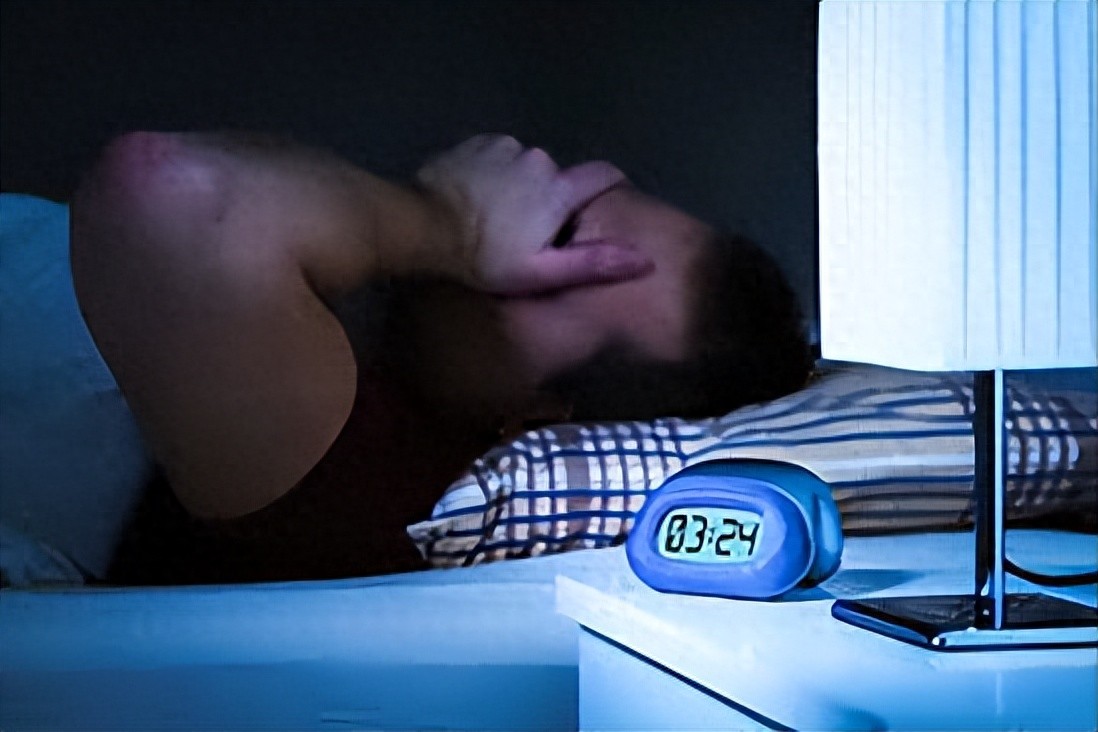
According to the Traditional Chinese Medicine's Zi Wu Liu Zhu theory, a day is divided into twelve two-hour periods, each corresponding to the time when qi and blood flow in a specific meridian is at its peak. The period from 1-3 AM (Chou hour) is when the Liver Meridian is dominant, when liver blood returns to the meridian and liver qi is dredged and discharged, completing the day's detoxification and repair work. The liver governs dredging and discharge, regulating emotions; it also stores blood, nourishing the sinews and eyes. The liver and heart are mother and son organs; when the liver is diseased, it affects the heart. As the heart governs the spirit, abnormal liver function directly interferes with the heart spirit, leading to sleep disorders.
Based on clinical manifestations, waking easily in the early morning is mainly divided into two patterns: liver fire disturbing the heart and liver blood deficiency. Although both occur during the same time period, their causes, manifestations, and treatment methods are completely different.
Liver fire disturbing the heart type is commonly seen in individuals with long-term mental stress and emotional stagnation. When liver qi stagnates, it transforms into fire over time, and the fire's nature is to flare upward, disturbing the heart spirit. These patients often feel irritable and restless upon waking, with a sensation of dry heat in the chest, making it difficult to fall back asleep. They typically experience symptoms such as irritability and easy anger, distending pain in the chest and hypochondria, dry mouth with a bitter taste, dizziness, and headaches. The tongue is reddish with a thin yellow coating, and the pulse is wiry and rapid. Treatment should focus on clearing liver fire, purging heat, and calming the heart spirit, with modifications to the Xie An Shen Tang (Liver-Purging Spirit-Calming Decoction) formula. Common ingredients in this formula include Gentiana for clearing liver fire, Scutellaria for purging fire and relieving vexation, Bupleurum for soothing the liver and resolving depression,配合 Dragon Bone and Oyster Shell to heavily calm the spirit. At the same time, attention should be paid to emotional regulation, avoidance of spicy and stimulating foods, and appropriate consumption of herbal teas such as Chrysanthemum and Prunella.
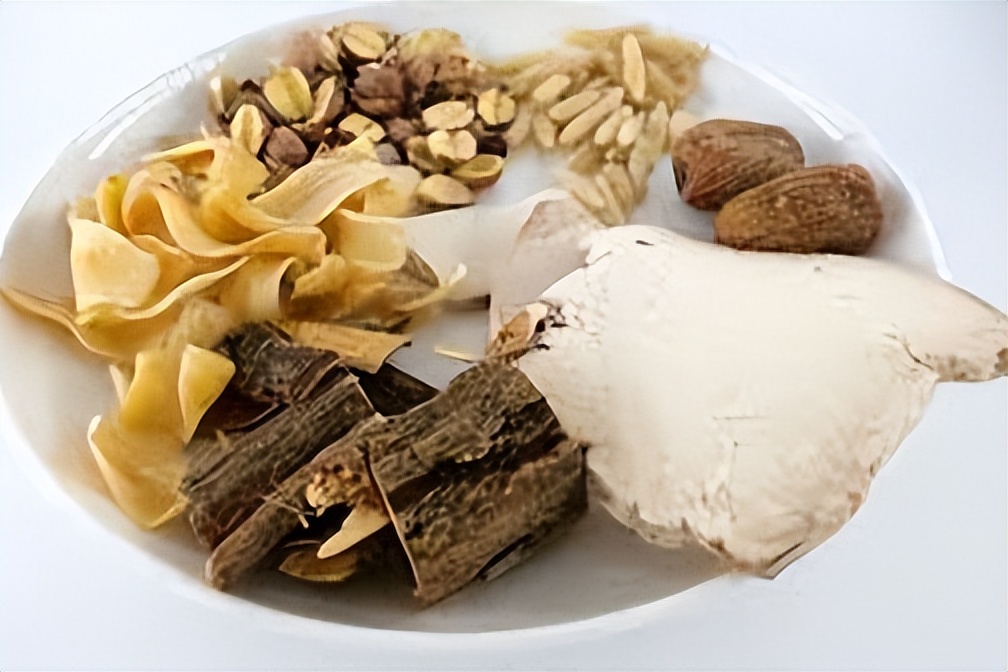
Liver blood deficiency type is commonly seen in individuals who frequently stay up late, overuse their eyes, or have chronic illnesses. When liver blood is deficient, blood fails to nourish the soul (hun), and the soul cannot reside properly in its abode, leading to restless sleep at night. Although these patients wake easily, they do not feel irritable; instead, the more tired they are, the harder it is to fall asleep. They often experience numerous dreams and wake up feeling extremely fatigued. Other possible symptoms include dizziness, blurred vision, poor memory, brittle nails, limb numbness, and reduced menstrual flow. The tongue appears pale and white, and the pulse is thin and weak. Treatment should focus on nourishing liver blood and calming the mind, with modifications to Guishao Dihuang Tang or Bazhen Tang as references. Common ingredients in these formulas include Dang Gui and Bai Shao to nourish blood and soften the liver, Shu Di and Gou Qi to nourish the liver and kidneys, and Suan Zao Ren and Yuan Zhi to calm the mind and spirit. In daily life, one should avoid excessive eye strain, ensure adequate sleep, and consume blood-nourishing foods such as red dates, pork liver, and black sesame.
In the clinic, there was a 35-year-old designer, Mr. Wang, who began waking up around 2 AM every day and found it difficult to fall back asleep after working continuously for two months to meet project deadlines. He reported dry eyes during the day, occasional numbness in his fingers, and low mood. Upon examination, his complexion was dull, his tongue was pale with a thin coating, and his pulse was thin and weak, all indicating a typical case of liver blood deficiency. He was prescribed modified Guishao Dihuang Wan as the base formula, along with the instruction to sleep before 11 PM. At his follow-up appointment two weeks later, he reported fewer nighttime awakenings and improved sleep quality. After one month of continuous treatment, his sleep had basically returned to normal, and his symptoms of dry eyes and finger numbness had also significantly improved.
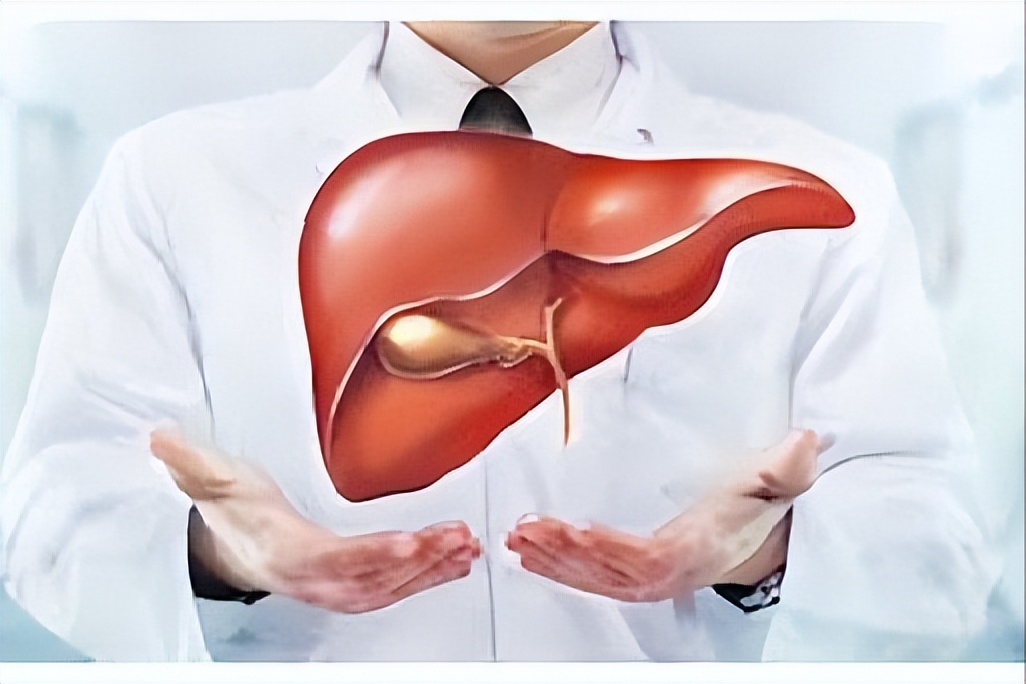
It should be noted that self-assessment of one's constitution may lead to inaccuracies. Liver fire and liver blood deficiency can coexist, or be complicated by conditions such as spleen deficiency or kidney deficiency. If you consistently wake up at a specific time in the early morning, it is recommended to consult a professional TCM practitioner for personalized treatment. Additionally, establishing good sleep habits is crucial: keep the bedroom quiet and dark, avoid using electronic devices before bed, avoid having dinner too late, and refrain from drinking strong tea or coffee in the afternoon.
Traditional Chinese medicine emphasizes that "the best physician treats diseases before they arise." Occasional nighttime awakenings may be early signals from the body. If these can be promptly recognized and properly regulated, more serious problems can often be prevented. Remember, quality sleep is the foundation of health, and only by listening to your body's voice can you achieve true well-being.