Excessive sweating, in essence, is the complete leakage of kidney fluids. Zhang Xichun's sweat-stopping formula works miraculously to halt sweating.
Many people struggle with excessive sweating, especially in the summer when they sweat easily. However, if you often find yourself drenched in sweat even when it's not hot or you haven't been active, it might not simply be due to "physical weakness" or "hot weather." Instead, you should be cautious about whether there is an issue with your body's internal "containment" system.
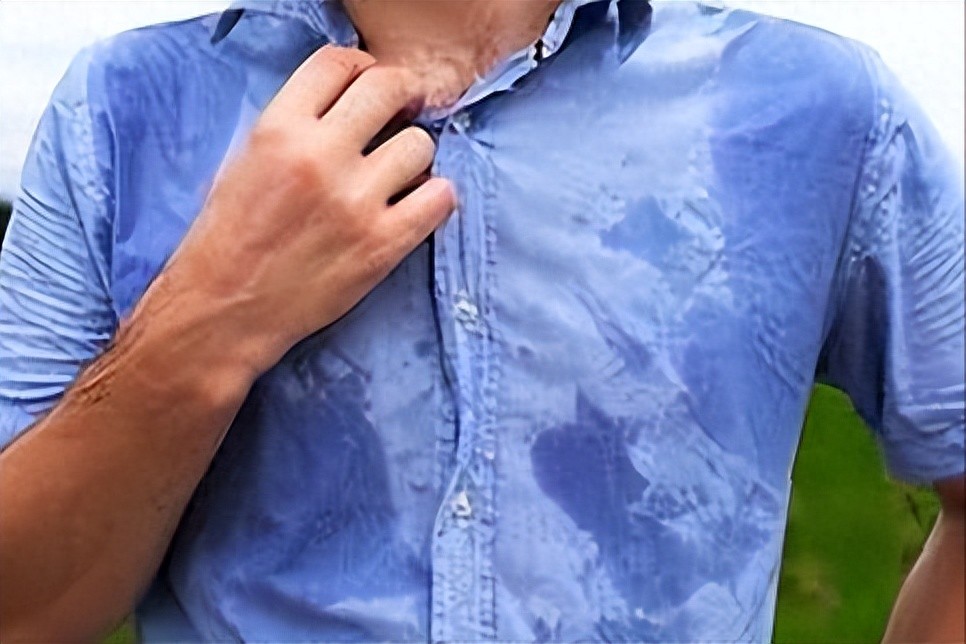
In traditional Chinese medicine, the kidneys are responsible for storage, much like a system in our body that "tightens the valves." They not only preserve kidney essence but also manage bodily fluids such as sweat and urine. If kidney qi is sufficient and functions normally to "close the doors," fluids will not leak out arbitrarily. However, if kidney qi is deficient and its containment ability declines, bodily fluids can easily become uncontrolled and overflow, manifesting as abnormal sweating or even profuse sweating.
Some friends immediately think of "tonifying the lungs" when they sweat, because the lungs govern the skin and hair, controlling the opening and closing of sweat pores. However, if the root issue lies in the kidneys' failure to store fluid properly, merely tonifying the lungs may only address the symptoms rather than the cause. The key is still to strengthen the kidneys' ability to retain and control, stopping the "leakage" at its source.
The renowned Qing Dynasty physician Zhang Xichun once proposed a clear and concise sweat-stopping formula consisting of only three ingredients: Cornus officinalis (shan zhu yu), Os draconis (long gu), and Ostreae concha (mu li).
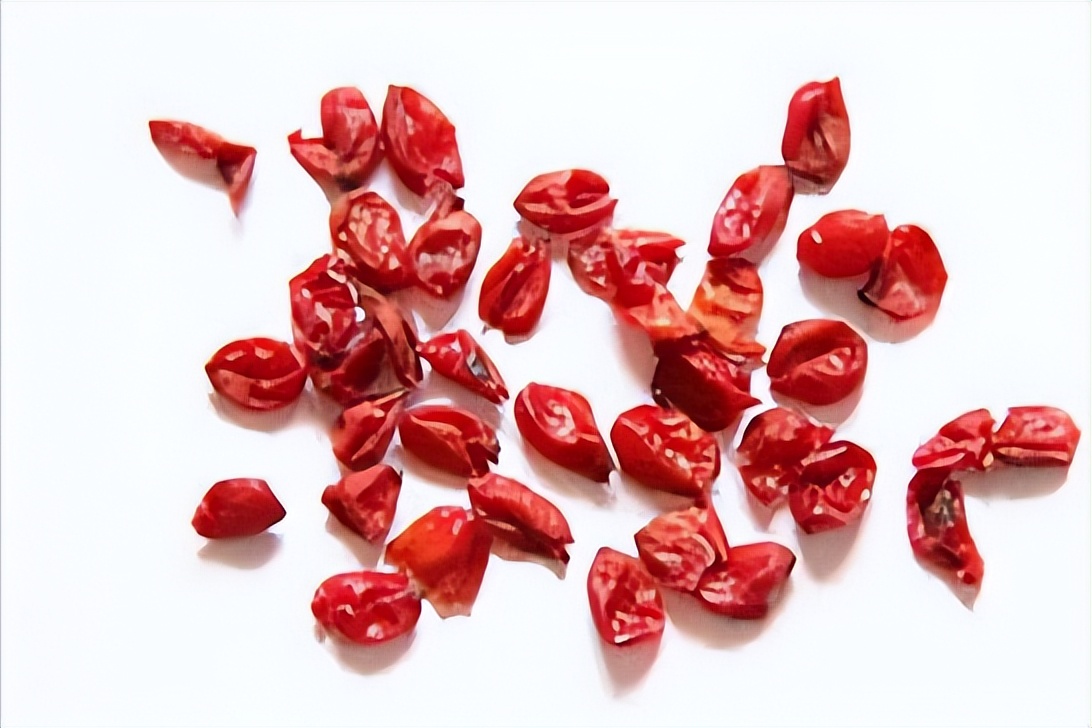
Cornus officinalis (shan zhu yu) is sour, warm, and moist in nature, primarily entering the liver and kidney meridians. It not only nourishes the liver and kidneys but also has strong astringent properties. By replenishing kidney qi, it enhances the kidneys' ability to retain bodily fluids, thereby reducing excessive leakage from the root.
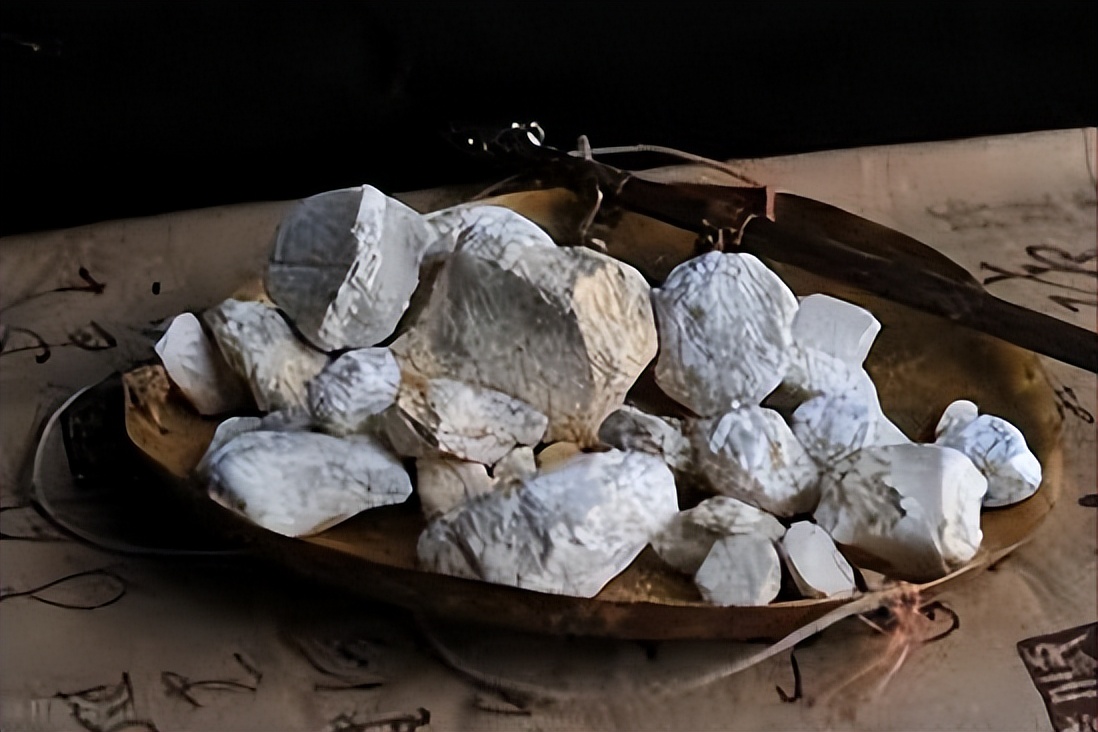
Os draconis (long gu) and Ostreae concha (mu li) are often used together, excelling at calming the spirit and harmonizing yin and yang. Traditional Chinese medicine holds that "sweat is the fluid of the heart," and restlessness of the heart spirit can lead to excessive sweating. The combination of long gu and mu li stabilizes the heart spirit, thereby reinforcing the sweat-stopping effect.
The combination of these three herbs works synergistically—tonifying the kidneys to address the root cause, astringing to consolidate leakage, and calming the spirit to assist in stopping sweating. Structurally rigorous, simple yet potent, this formula is commonly used to address symptoms such as excessive sweating, night sweats, and fatigue caused by deficient kidney qi failing to consolidate.
Previously, a 45-year-old male patient came to me, complaining of frequent episodes of profuse sweating over the past six months, with his pillow drenched in sweat at night. During the day, he often felt palpitations, fatigue, and soreness in his lower back. Upon examination, I noted his tongue was slightly red with scant coating, and his pulse was thin and weak, indicating a pattern of kidney yin deficiency with impaired consolidation. Based on Zhang Xichun’s original formula, I made slight modifications, emphasizing Cornus officinalis as the chief herb, combined with Os Draconis and Oyster Shell. I also advised him to apply powdered calcined oyster shell topically to assist in stopping sweating. At his follow-up two weeks later, he reported significantly reduced night sweats and a stronger physical constitution.
It’s important to note that this formula is suitable for individuals with deficient kidney qi failing to consolidate, manifesting as unrelenting sweating accompanied by fatigue, lower back soreness, dizziness, tinnitus, and other signs of kidney deficiency. However, those with sweating caused by internal damp-heat or excessive heat (such as those with bitter taste, yellow, greasy tongue coating) should avoid using this formula.
In summary, for chronic abnormal sweating, don’t rush to blindly astringe sweat or tonify the lungs. Consider the kidney’s "storing and sealing" function as well. Traditional Chinese medicine emphasizes pattern differentiation and tailored treatment—only by identifying the root cause can we achieve lasting sweat control while restoring the body’s equilibrium.