Master These 4 Universal TCM Formulas and You'll Be Able to Treat Half of All Ailments
The treasure trove of Traditional Chinese Medicine contains tens of thousands of formulas, but a few foundational ones are particularly practical. Understanding these will give you a framework for managing many common minor ailments. Today let's discuss these four "universal foundational formulas": Cinnamon Twig Decoction (Guizhi Tang), Center-Regulating Decoction (Lizhong Tang), Pinellia Heart-Draining Decoction (Banxia Xiexin Tang), and Minor Bupleurum Decoction (Xiaochaihu Tang). Each specializes in different therapeutic approaches: inducing sweating to release exterior pathogens, warming the middle and replenishing deficiency, harmonizing cold and heat, or mediating the shaoyang level.
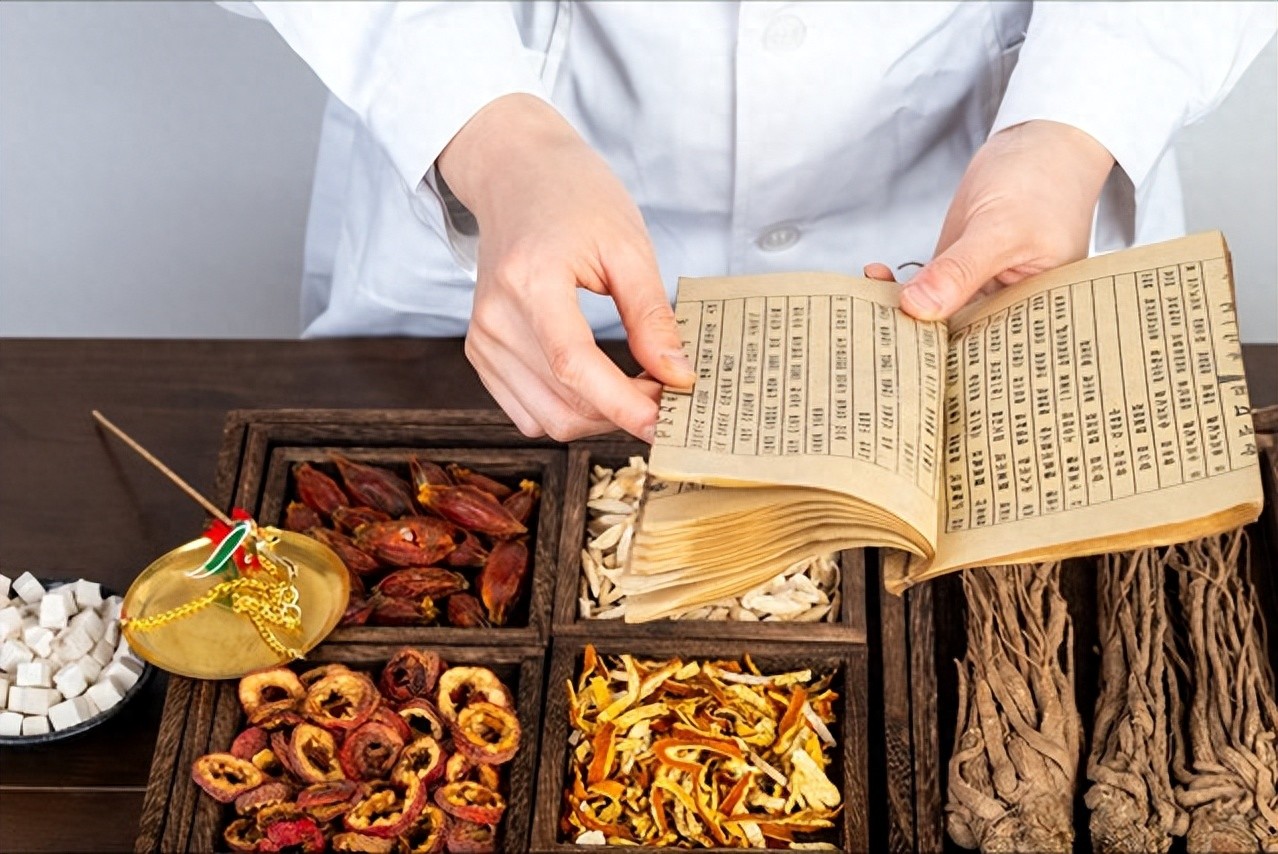
1. Cinnamon Twig Decoction (Guizhi Tang): The go-to formula for deficiency-type sweating and wind aversion
When should it be used? For example, when you've just caught a minor wind-cold, feel weak all over, are particularly afraid of drafts, and keep breaking into feeble sweats (not profuse sweating). At this point, your body wants to sweat out the pathogenic factors but lacks sufficient strength.
Why does it work? Unlike the Ephedra Decoction (Mahuang Tang) which forcefully induces sweating by "opening the gates," the Cinnamon Twig Decoction (Guizhi Tang) follows the approach of "harmonizing Ying and Wei." Simply put, it helps coordinate the body's two essential forces—defensive (Wei Qi) and nutritive (Ying Qi)—allowing a mild sweat to expel wind-cold pathogens without damaging the body's vital energy. It's somewhat like assisting the body in restoring its own ability to sweat and eliminate pathogens.
Here's a concrete example: Sister Zhang went out to buy groceries in the morning without dressing warmly enough. Upon returning, she felt unwell all over - afraid of wind, uncomfortable even with slightly opened windows, constantly experiencing mild sweating, and feeling a bit lightheaded. After drinking a bowl of hot porridge, covering herself with blankets, and following her doctor's advice by taking a modified Guizhi Decoction (Cinnamon Twig Decoction), she sweated slightly and felt much better. By the next day, she had almost completely recovered.
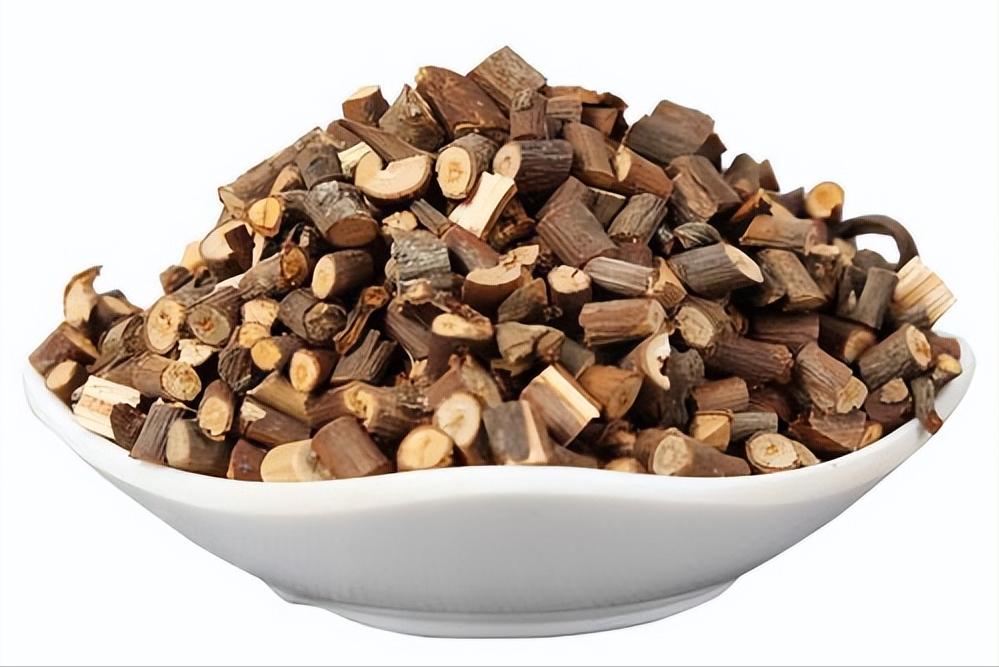
2. Lizhong Decoction: Warms the spleen and stomach, stops diarrhea caused by deficiency-cold
When to use it? For people who typically have "deficiency-cold" in their spleen and stomach. For example, when they eat cold foods (fruits, cold drinks) or greasy foods, their stomach feels uncomfortable or even causes diarrhea; they often experience vague pain and cold sensation in the abdomen, feeling better when warmed by hand; usually have little appetite, feel bloated after eating just a little, and are prone to fatigue.
Why does it work? In the formula, ginseng and white atractylodes are the "main forces" for tonifying spleen and stomach qi, while dried ginger acts as a "warming fire" to dissipate cold in the middle burner, and honey-fried licorice harmonizes the medicinal properties. Together, they warm and energize the cold and weak spleen-stomach, dispel cold, and restore the digestive function.
A practical example: Xiao Li is a young office worker who loves iced coffee and consumes cold drinks constantly in summer. Recently, he often feels cold in his stomach, easily gets diarrhea after eating takeout, has loose stools, and constantly feels tired, with little appetite. Upon examination, the TCM doctor noticed his pale tongue coating and weak pulse, diagnosed him with spleen-stomach deficiency-cold, and advised him to quit cold drinks while prescribing modified Lizhong Decoction for regulation. After a period of treatment, he felt his stomach getting warmer, had fewer episodes of diarrhea, and his appetite improved.
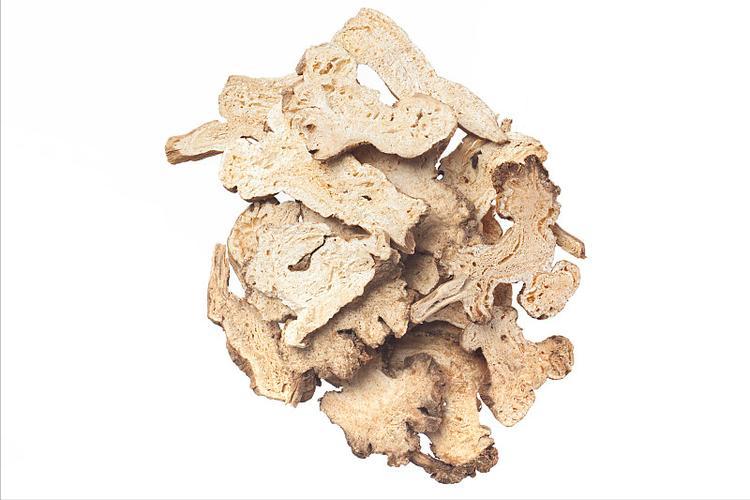
3. Banxia Xiexin Decoction: Resolving stomach discomfort with "simultaneous cold and heat" sensations
When to use it? When experiencing "simultaneous cold-heat imbalance" in the stomach with chaotic symptoms. Typical manifestations include: stomach distension or even pain after overeating or consuming unsuitable food, accompanied by acid reflux and heartburn (a hot, burning sensation in the stomach), while simultaneously possibly having diarrhea (loose stools). There may be heat in the upper body (heartburn, possible bitter taste in mouth) and cold in the lower body (diarrhea, possible abdominal sensitivity to cold).
Why is it effective? This formula combines ingredients ingeniously. Pinellia (Banxia) and dried ginger (Ganjiang) provide pungent-warm properties to dissipate cold and stop vomiting; coptis (Huanglian) and scutellaria (Huangqin) offer bitter-cold properties to clear heat and dry dampness, addressing acid reflux and heartburn; while ginseng (Renshen), jujube (Dazao), and honey-fried licorice (Zhigancao) tonify the spleen and stomach, preventing heat-clearing herbs from damaging vital qi. Essentially, it combines cold and warm herbs—clearing upper-body heat while warming lower-body cold—while simultaneously regulating spleen-stomach functions.
Here's a concrete example: Aunt Wang recently had too many social engagements. After several meals of hotpot and barbecue in a row, her stomach started to "rebel" – bloated as if stuffed with stones, with dull pain, severe acid reflux and heartburn, and a bitter taste in her mouth. Strangely, her stools became somewhat loose. She thought she had "excessive internal heat," yet her stomach felt unwell. This is a typical case of cold-heat complexity in the middle energizer (spleen and stomach). After taking modified Banxia Xiexin Decoction, her bloating and heartburn alleviated, and her stools gradually returned to normal.
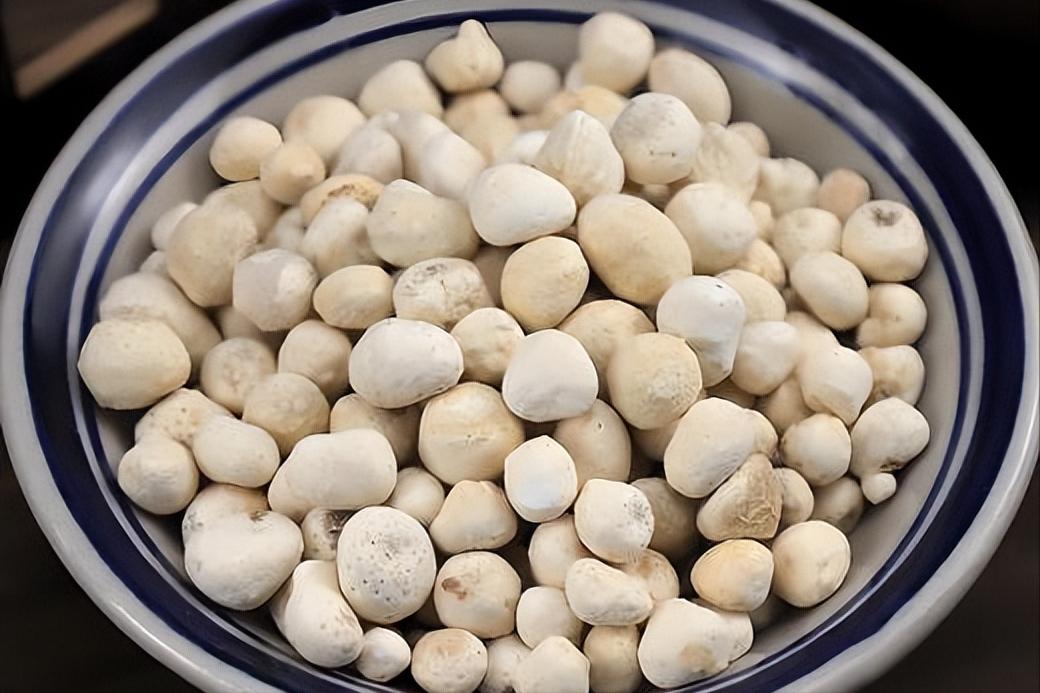
4. Xiao Chai Hu Tang (Minor Bupleurum Decoction): Regulates colds and discomfort that are "stuck halfway"
When to use it? When a cold has lingered for several days without complete recovery, with persistent low-grade fever and alternating chills and fever (intermittent chills and fever); or when there's a constant bitter taste in the mouth, loss of appetite, or even nausea; another common scenario is when women catch a cold during menstruation with lingering symptoms. Traditional Chinese Medicine considers this state as pathogens being "half-exterior and half-interior," stuck in the body's midpoint, where the vital Qi and pathogenic Qi are locked in a stalemate.
Why does it work? Xiaochaihu Decoction is the representative formula of "harmonizing agents." Chaihu (Bupleurum) helps disperse the pathogenic Qi stuck midway outward; Huangqin (Scutellaria) clears accumulated interior heat; Banxia (Pinellia) harmonizes the stomach and stops vomiting; while Renshen (Ginseng), Shengjiang (Ginger), Dazao (Jujube), and Zhigancao (Honey-fried Licorice) support vital Qi, providing the body with energy to expel pathogens. This combination breaks the deadlock and helps the body push out the pathogenic Qi.
A concrete example: Xiao Chen had a cold for a week. After taking fever reducers, the temperature would drop slightly but return to low-grade fever (around 37.5°C) hours later, with alternating chills and fever. There was a bitter taste in the mouth, no appetite, and mild nausea. Blood tests showed no significant abnormalities. The doctor diagnosed this as lingering pathogens stuck halfway between exterior and interior and prescribed Xiaochaihu Decoction with modifications. Within two to three days, the low-grade fever subsided, the bitter taste and nausea resolved, and appetite gradually recovered.
To summarize:
These four formulas are like the "basic wrenches" in a TCM toolbox. Guizhi Decoction addresses wind-cold exposure with spontaneous sweating and aversion to wind; Lizhong Decoction manages spleen-stomach deficiency-cold and chronic diarrhea; Banxia Xiexin Decoction treats stomach cold-heat complex with bloating, heartburn, and possible diarrhea; while Xiaochaihu Decoction handles stuck colds with alternating chills and fever, bitter taste, and loss of appetite.
Important reminder: Traditional Chinese Medicine emphasizes syndrome differentiation and treatment. These formulas are foundational, but in practical application, they often require adjustments to ingredients and dosages based on each individual's specific condition. If you feel unwell, it's best to consult a professional TCM practitioner to properly identify your constitution and syndrome type before using any medication, as this approach is safer and more effective. Understanding the principles behind these basic formulas can help us better comprehend how TCM approaches diagnosis, and enables more appropriate health maintenance under a doctor's guidance.