White Mustard Seed eliminates phlegm, Perilla Seed redirects Qi downward, and Radish Seed promotes digestion. When used together, these three herbs can move Qi and expel phlegm.
Today, I'd like to share a formula for treating excessive phlegm with replete Qi, characterized by wheezing, fullness, and coughing: the Three-Seed Filial Piety Decoction.
Isn't this traditional Chinese medicine name quite interesting? The "Three-Seed Filial Piety Decoction" doesn't refer to three sons, but rather to three types of medicinal herbs. The first is Perilla Seed,
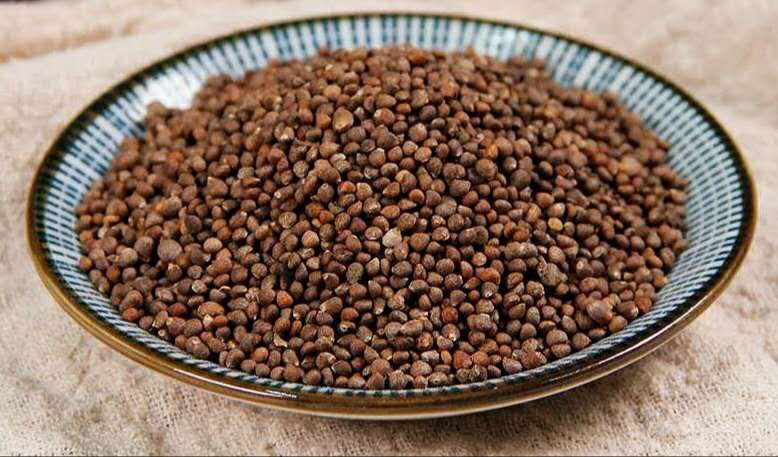
Perilla Seed
Perilla seed is the ripe fruit of Perilla frutescens, primarily known for its efficacy in directing qi downward, eliminating phlegm, relieving wheezing, and moistening the intestines.
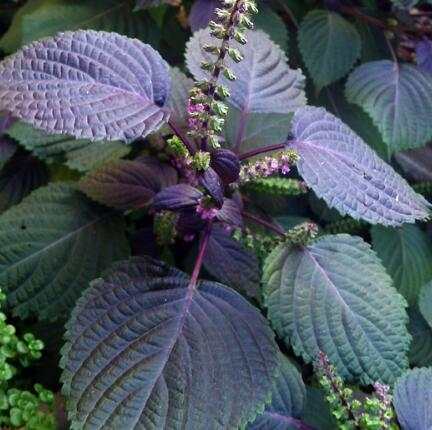
Perilla
In clinical practice, it can be used to treat lung conditions, such as excessive phlegm, persistent coughing, wheezing, chronic bronchitis. Additionally, it can also treat digestive tract disorders, including nausea and vomiting, especially morning sickness during pregnancy and threatened abortion. It also has the ability to neutralize toxins from fish, shrimp, and crab. Perilla seed has a wide range of clinical applications, particularly showing promising effects in the field of cancer treatment.
Second, White Mustard Seed is primarily used for cold phlegm with wheezing and cough, pleural effusion, yin-type abscess and wandering arthralgia, numbness in the limbs, and swelling and pain in the joints.
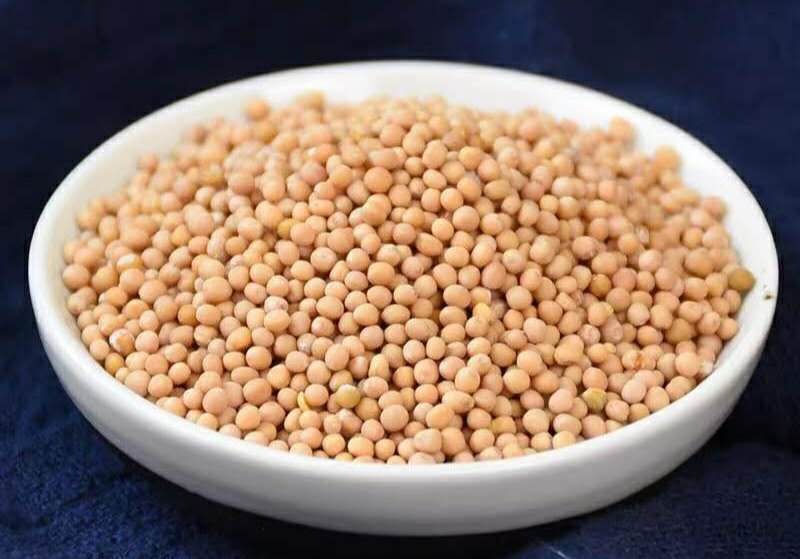
White Mustard Seed
In Western medicine diagnoses, it is indicated for conditions such as acute and chronic bronchitis, bronchial asthma, exudative pleurisy, tuberculous pleurisy, colds, acute and chronic rhinitis that belong to the pattern of cold phlegm and retained fluid; rheumatoid arthritis, suppurative osteomyelitis, lymph node enlargement, etc., that belong to the pattern of phlegm-damp obstruction.
Third, Radish Seed: Promotes digestion and relieves distension, descends qi and resolves phlegm. It is indicated for: food stagnation with qi stagnation, promoting digestion and resolving accumulation, moving qi to relieve distension, cough and wheezing with profuse phlegm, chest tightness, and reduced appetite. This herb can both promote digestion and resolve accumulation, as well as descend qi and resolve phlegm, relieving cough and calming wheezing.
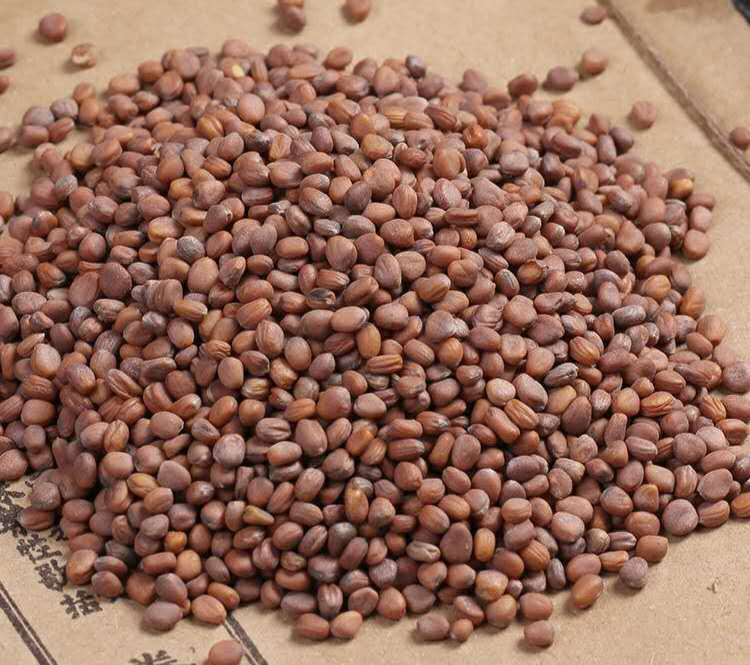
Semen Raphani
Precautions: This product is pungent and dispersing, and may deplete qi; therefore, it should be used with caution in individuals with qi deficiency and those without food stagnation or phlegm stagnation.
Lai Fu Zi (Radish Seed) should not be used together with Ren Shen (Ginseng).
Zi Su Zi (Perilla Seed), Bai Jie Zi (White Mustard Seed), and Lai Fu Zi (Radish Seed)—how are they used? Below I will teach you: combine these three seeds together, lightly stir-fry them in a pan, grind them into powder, or decoct them in water for oral administration.
Method of Use: Differentiate the syndrome and disease, then determine which herb is the principal (monarch), clarify the primary and secondary roles of the herbs, either use them in equal proportions or adjust the dosage according to the condition.
This prescription is primarily used to treat elderly patients with excessive qi and abundant phlegm, manifesting as asthma, chest fullness, and poor appetite.
Phlegm congeals and normally remains still, but moves only when there is fire. What is fire? An excess of qi becomes fire; when qi surges upward, it causes wheezing. When phlegm-fire blocks the chest and one is unwilling to eat, this is known as laziness in eating.
This formulation of herbs acts on the Hand-Taiyin and Foot-Taiyin channels; Semen Sinapis Albae eliminates phlegm, Fructus Perillae directs qi downward, and Semen Raphani promotes digestion. When combined, these three herbs work to move qi and resolve phlegm. With qi flowing smoothly, pathogenic fire is directed downward, and phlegm is naturally eliminated.
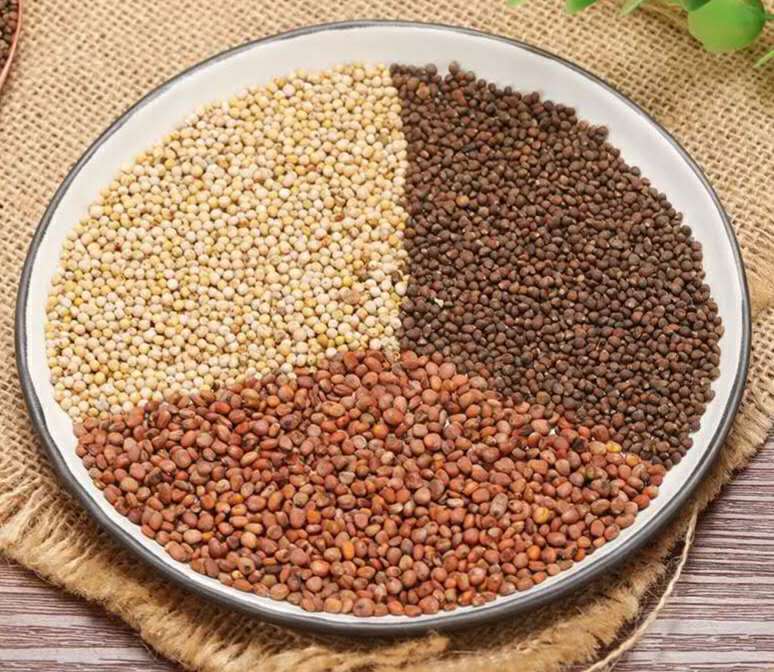
Fructus Perillae, Semen Sinapis Albae, Semen Raphani
Modern research and application: This formula has the functions of regulating qi, descending adverse qi, resolving phlegm, and promoting digestion.
Pharmacological studies have shown that this formula possesses effects such as relieving asthma, suppressing cough, eliminating phlegm, and inhibiting bacteria.
It is commonly used in modern times to treat diseases like bronchial asthma and pneumonia that belong to conditions characterized by phlegm obstruction and adverse flow of qi.
If you find this article helpful after reading it, please follow and offer your valuable suggestions to encourage the author to publish more good articles.