Senior Master Liu Duzhou's "Modified Bupleurum Decoction" for Treating Liver Diseases, with Ten Chinese Herbs Showing Remarkable Efficacy
Previously, we introduced Senior Master Liu Duzhou's "Bupleurum Detox Decoction." Today, we will introduce his "Modified Bupleurum Decoction," one of the variations Senior Liu employed in treating liver diseases.
In the field of traditional Chinese medicine, the liver is often referred to as the "general."
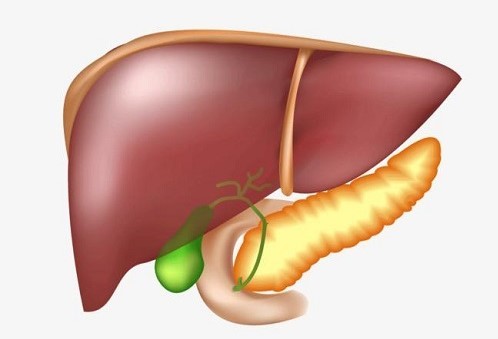
What exactly does a general do? As we all know, externally, a general defends against foreign invasions, and internally, they protect the imperial court.
Here, it is clearly explained that the liver serves to eliminate external pathogens while internally safeguarding the five zang organs and six fu organs, preventing viruses from damaging these organs.
Today, I would like to introduce Senior Liu Duzhou's "Modified Chaihu Decoction."
This formula consists of ten Chinese medicinal herbs. So, what are the effects of these ten herbs? What can they accomplish? Please listen as I explain them to you in detail.
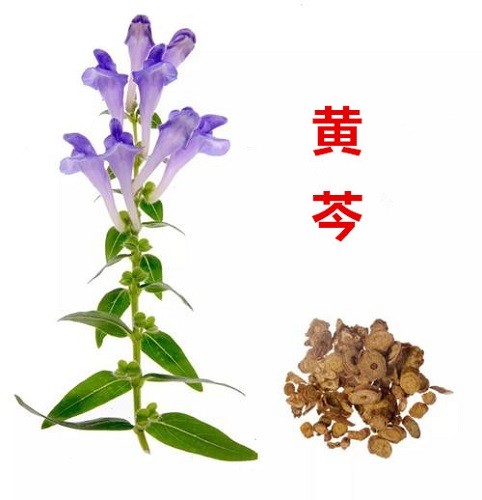
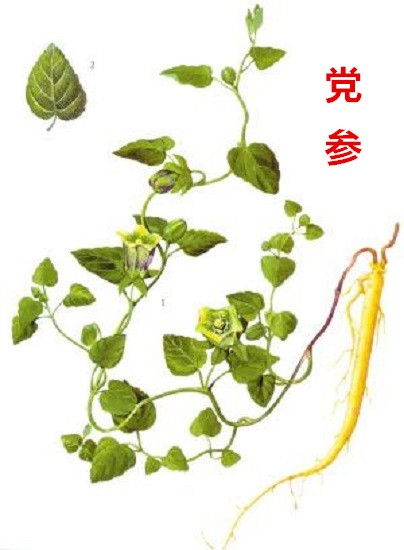
In the formula, Bupleurum and Scutellaria are used to soothe the liver, relieve depression, and clear remaining toxins. Codonopsis and honey-fried Licorice invigorate the spleen and replenish qi, strengthening the earth to restrain the wood. Pinellia and fresh Ginger harmonize the stomach, strengthen the spleen, reduce swelling, and dissipate nodules. Madder and Safflower promote blood circulation and unblock meridians. Oyster shell resolves phlegm, softens hardness, and dissipates nodules, while Turtle Carapace primarily addresses masses and nodules in the heart and abdomen, accumulated heat, dispels blood and qi, breaks up masses, and eliminates stagnant blood, making it effective for dissolving masses, dispersing stasis, and nourishing yin.
When these herbs are combined, they work synergistically to promote the flow of qi and blood, soften hardness, and resolve masses.
In traditional Chinese medicine, it is often said that "When the vital qi is strong within, pathogenic factors cannot invade; where pathogenic factors gather, the vital qi must be deficient."
This is particularly true for viral hepatitis, where throughout the entire disease process, "toxicity" and "deficiency" are consistently present.
Therefore, normal liver function and the disappearance of jaundice should not be regarded as the complete elimination of toxins. At this stage, it is primarily a deficiency of vital energy, with the decline of toxins being secondary.
The key to treatment lies in tonifying deficiency and softening hardness, while not forgetting to detoxify. In Dr. Liu's formula, Codonopsis, roasted licorice, ginger, and turtle shell are intended to support the vital energy; Bupleurum and Scutellaria aim to detoxify; while oyster shell and turmeric are targeted at softening, transforming, and resolving pathological products—specifically, the stubborn masses (blood stasis). Dr. Liu reminds us that when detoxifying, we should not harm the vital energy, and when supporting vital energy, we should not harbor toxins; moreover, we must distinguish between toxins and deficiency, determine which is more severe and which is less, and then adopt corresponding treatment measures to achieve ideal results.
[Efficacy] Promotes circulation of qi and blood, softens hardness and disperses masses
(Indications) Hepatitis, presenting with a dull, dark complexion, stabbing pain in the right hypochondrium, particularly severe at night, possibly accompanied by abdominal distension, fatigue, hepatosplenomegaly, a dark tongue with ecchymotic spots or petechiae, a white tongue coating, and a wiry and choppy pulse. It may also be used to treat early-stage liver cirrhosis (diffuse hepatic lesions or damage in Western medicine).