Why do elderly people with constipation take cold and cooling medications that show initial effectiveness but become severe later?
Caution in Using Cold and Cooling Medications for Constipation
Many elderly patients often tell me that after suffering from constipation, they frequently take cold and cooling medications such as Shangqing Pills or Jiedu Pills (Tablets).
Initially, there are obvious effects, but as time goes on, the effects diminish later on, and other diseases may also appear.
Why does this situation occur? Because these Chinese patent medicines are composed of rhubarb and heat-clearing drugs, which are clinically used in traditional Chinese medicine for constipation caused by excess heat syndrome in the upper energizer (excess syndrome).
However, the constitution of the elderly often involves deficiency syndrome, so frequent use of such drugs, although temporarily relieving constipation, will further weaken the body because these drugs gradually deplete the body's remaining fluids and yang qi, leading to further constipation, while also causing gastrointestinal dysfunction resulting in diarrhea and symptoms like dehydration.
For constipation in the elderly, the underlying cause should be identified and corresponding measures taken; most patients can be corrected or relieved.
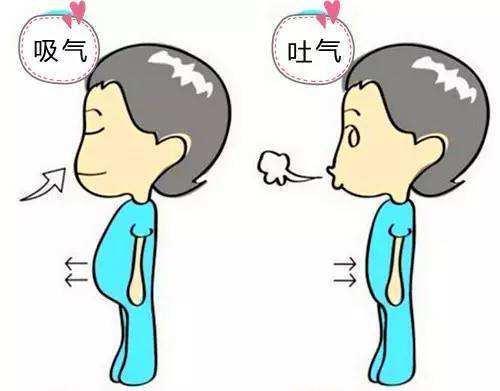
For example, constipation due to weakened abdominal and perianal muscles caused by age-related frailty and physical weakness can be alleviated by improving nutrition, performing daily abdominal massage, and engaging in pelvic floor muscle exercises
Constipation caused by reduced gastrointestinal motility due to decreased physical activity can be addressed by increasing exercise, such as jogging, walking, and practicing qigong
Constipation caused by insufficient water intake can be alleviated by drinking more water (with an appropriate amount of salt added), milk, or soy milk
Constipation caused by tea drinking can be alleviated by changing the habit of drinking tea immediately after meals.
For constipation caused by excessive consumption of refined flour and rice and insufficient intake of vegetables and fruits, a combination of coarse and fine grains can be chosen, with particular emphasis on consuming more corn, fruits, and vegetables.
For those with habitual constipation, mild laxatives such as honey and liquid paraffin are recommended. Sesame oil or soybean oil may also be consumed, with honey being the most preferred option. For elderly individuals with constipation, it is advisable to avoid using laxatives whenever possible.
Additionally, except in emergency situations, it is best to avoid enema methods.
For patients suffering from dry and hardened constipation, when all other methods have been exhausted without resolving the issue, I recommend visiting this platform to watch my video titled "Dry Intestines and Constipation Difficulty in Relief: Three Traditional Chinese Herbs Show Their Power—Old Hu Helps You Overcome Constipation Troubles." Follow the methods provided in the video for use.