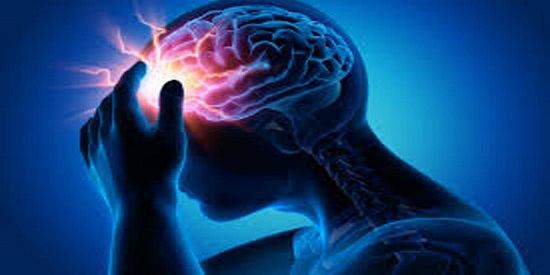
Stroke with early warning signs causes a small lesion area and is easy to cure; if ignored, the lesion area becomes large and easily leads to disability.
Early warning signs of stroke (cerebral apoplexy) in traditional Chinese medicine
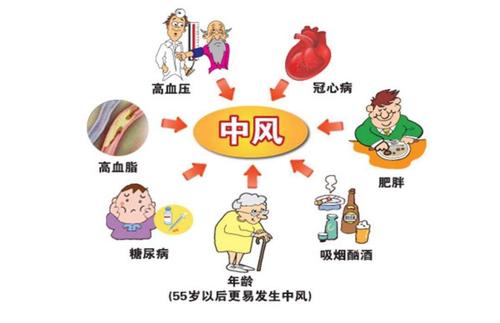
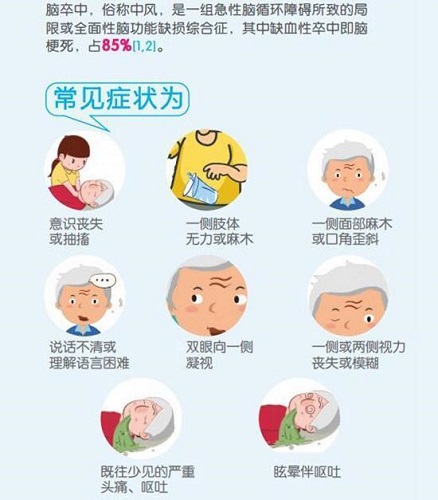
1. Transient blackout refers to a sudden onset of darkened vision and inability to see, which recovers within seconds or minutes without accompanying nausea, vomiting, dizziness, or disturbance of consciousness.
Blackout, also known as amaurosis fugax, indicates a transient ischemic attack of the retina. This is often caused by hemodynamic changes within the cranial cavity or the passage of micro-emboli through the retinal artery.
Therefore, the occurrence of a transient blackout is regarded as the earliest warning sign of cerebrovascular disease.
2. Transient visual impairment, such as blurred vision or visual field defects, typically resolves spontaneously within an hour. In patients with transient visual impairment, ophthalmoscopic examinations and cerebral blood flow measurements have shown some cases of central retinal artery occlusion and others with branch retinal artery occlusion. Concurrently, a corresponding decrease in ipsilateral cerebral blood flow is often observed. This is also considered an early warning signal of impending stroke.
3. The "Shaving Sign" refers to a situation where, while shaving with a razor and turning the head to one side, a person suddenly experiences weakness in the arm, causing the razor to fall, accompanied (or not accompanied) by slurred speech, with complete recovery within 1-2 minutes. This is caused by the twisting of an already hardened carotid artery during neck rotation, which aggravates stenosis, reduces blood supply to the brain, and triggers transient ischemic symptoms. Despite rapid recovery, it serves as a sufficient reminder that an ischemic stroke could occur at any time.
4. Persistent yawning is often caused by an increase in carbon dioxide levels in the blood, which stimulates the respiratory center. When cerebral arteriosclerosis gradually worsens, the lumen becomes increasingly narrow, and cerebral ischemia and hypoxia intensify. Particularly within 5–10 days before an ischemic stroke occurs, frequent yawning can be observed in about 80% of cases, which serves as an important warning sign of stroke.
5. "TIA," or transient ischemic attack, is, strictly speaking, the mildest form of stroke. It involves temporary hemiplegia or monoplegia, but the symptoms are brief, often resolving completely within 24 hours.
Therefore, it is still regarded as a precursor to progressive and complete strokes.
Generally, within 3–5 years after a "TIA," more than half of individuals may experience an ischemic stroke.
If any of the above warning signs appear, early examination should be conducted, including hemorheological tests, electrocardiograms, cardiovascular ultrasound, Doppler vascular examinations, cerebral blood flow measurements, fundus examinations, and cranial CT scans. Cerebral angiography may also be performed if necessary. With a clear diagnosis and systematic treatment, the occurrence of a stroke can potentially be prevented.
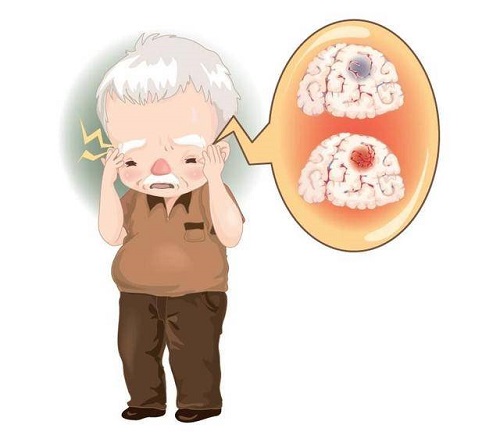
Based on the above situation, I would like to share a case with everyone.
I had a male patient, 70 years old.
He incidentally noticed clumsiness in one side of his hand and foot, occasionally experiencing brief episodes where he couldn't speak, but it would return to normal after a few minutes, so he didn't take it seriously.
Half a year later, the elderly man experienced similar symptoms upon waking up, but the severity was much greater; one side of his hand and foot was completely immobile. He was taken to the hospital by his family and diagnosed with ischemic stroke.
When I was taking his medical history, his family mentioned that he had experienced this several times half a year ago.
Such symptoms are actually a "mini-stroke," medically known as Transient Ischemic Attack (TIA).
As people age, cholesterol and lipid-like substances in the blood continuously accumulate on the inner walls of blood vessels, leading to arteriosclerosis.
Arteriosclerosis often affects the carotid arteries more severely. The narrowing of blood vessel lumens reduces cerebral blood supply, resulting in diminished cognitive abilities and slow movements. Once deposits on the inner arterial walls break off and become emboli, parts of the brain may suffer an ischemic stroke due to a sudden cessation of blood supply, potentially leading to lifelong paralysis or death in patients. If the affected area of brain tissue is small, symptoms may resolve within minutes to hours—this is known as a Transient Cerebral (Focal) Ischemia.
The occurrence of Transient Cerebral (Focal) Ischemia serves as a warning: your carotid arteries have hardened, and a severe ischemic stroke could occur at any time. Therefore, older adults with a history of Transient Cerebral (Focal) Ischemia should undergo detailed medical examinations. Patients should regularly take appropriate traditional Chinese medicine to protect, soften, and maintain vascular permeability.
In recent years, physical exercises such as practicing Qigong, Baduanjin, Tai Chi, and the cosmic health exercises I teach, including standing meditation, house-building exercises, and shaking exercises, have shown excellent effects in improving blood supply to brain tissue and preventing ischemic stroke.