Pulmonary Nodules, Stubborn Phlegm in the Lungs, Small Airway Phlegm Obstruction, Ground-Glass Opacities: Traditional Chinese Medicine Practitioner Lao Hu Points Out the Direction for Medication
Many online friends have asked me to talk about the treatment methods for pulmonary nodules.
Today, I’ll share some knowledge and treatment methods related to pulmonary nodules: Pulmonary nodules can be divided into benign pulmonary nodules and malignant pulmonary nodules.
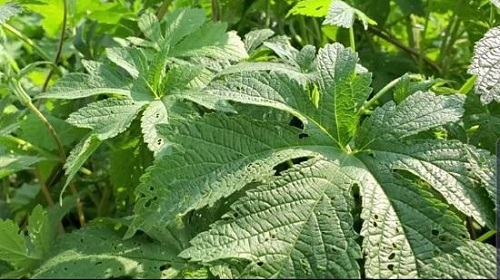
Humulus scandens
Traditional Chinese Medicine views lung nodules as masses that are not part of the lung tissue. Since the lung is a reservoir for phlegm, lung nodules arise from qi stagnation and phlegm-dampness causing blood stasis. When stasis, dampness, and congealed phlegm combine, they form masses.
Imaging shows that lung nodules are clearly defined, opaque nodules with a diameter of 3 cm or less, completely surrounded by aerated lung tissue. These are considered benign nodules.
Western medicine considers lung nodules a polygenic genetic disease associated with environmental and occupational factors such as aluminum, fossil dust, pine pollen, and clay, as well as infectious etiologies including bacteria, spirochetes, nontuberculous mycobacteria, and mycoplasma. All of these may lead to the development of this condition.
A lung nodule measuring 1 cm in size is not the most dangerous. The malignancy risk of lung nodules correlates with their size; larger nodules exhibit more malignant features.
The nodule shows spiculation at the margins, predominantly short spicules, with a malignancy probability of approximately 71%;
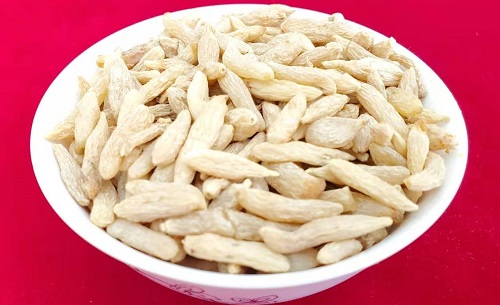
Ophiopogon japonicus
Additionally, the nodule exhibits lobulation and spiculation, suggesting a malignancy probability of more than 65%;
The presence of cavitation—specifically thick-walled cavities with mural nodules—strongly indicates the possibility of malignant lesions. Ground-glass nodules are often seen in the early stages of lung cancer. Pleural indentation and vessel convergence signs associated with the nodule are also key indicators of malignant pulmonary lesions.
Among malignant pulmonary nodules, the majority are primary lung cancers, with adenocarcinoma being the most common, followed by squamous cell carcinoma.
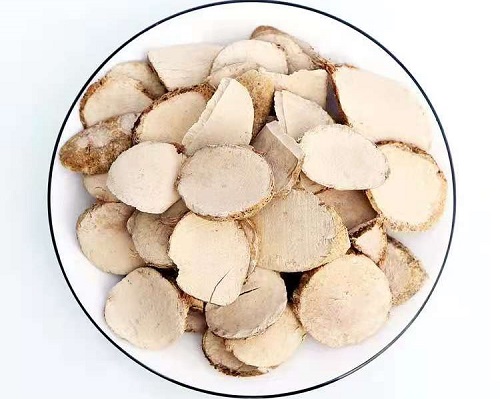
Sparganii Rhizoma
People diagnosed with pulmonary nodules often feel anxious and fearful. Here, Lao Hu tells friends with pulmonary nodules not to panic, as there is a traditional Chinese medicine formula that has shown excellent therapeutic effects. The formula is introduced as follows:
Humuli Herba, Ophiopogonis Radix, Sparganii Rhizoma, Curcumae Rhizoma, Citri Reticulatae Pericarpium Viride, Aurantii Fructus. Boil the above herbs in water and take one dose daily, two to three times a day.
During the medication period and after recovery, it is necessary to avoid certain foods for two to three months: stimulating foods, spicy foods, alcohol, eggs, fish, shrimp, crab, beef, lamb, dog meat, chicken, goose, coriander, chives, and other allergenic foods.
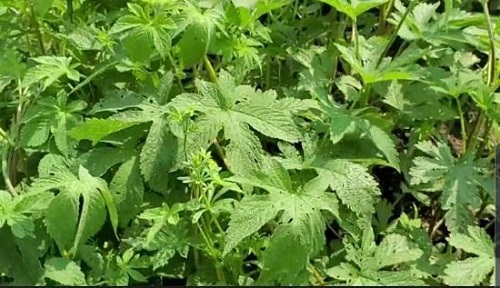
After taking this prescription, it will dissolve stubborn phlegm and clear phlegm blockages in the small airways of the lungs. After about ten days of use, breathing will feel smoother and the body will gain strength.