The ultimate goal in diabetes management is not simply lowering blood sugar, but rather regulating liver function. A remarkable formula harmonizes the liver and spleen, offering control from the very source.
When first diagnosed with diabetes, many people's immediate reaction is to urgently lower their blood sugar levels! Taking medication, insulin injections, controlling their diet—eyes glued every day to the numbers on the glucose meter.
But have you ever noticed that even when your blood sugar is temporarily stable, you still don’t feel quite right? For example, you always feel weak all over, utterly exhausted, and your emotions are like a rollercoaster—one moment irritable and ready to snap, the next feeling stifled and unable to lift your spirits.
Why is this?
From the perspective of Traditional Chinese Medicine, this is likely your "liver" expressing its discontent!
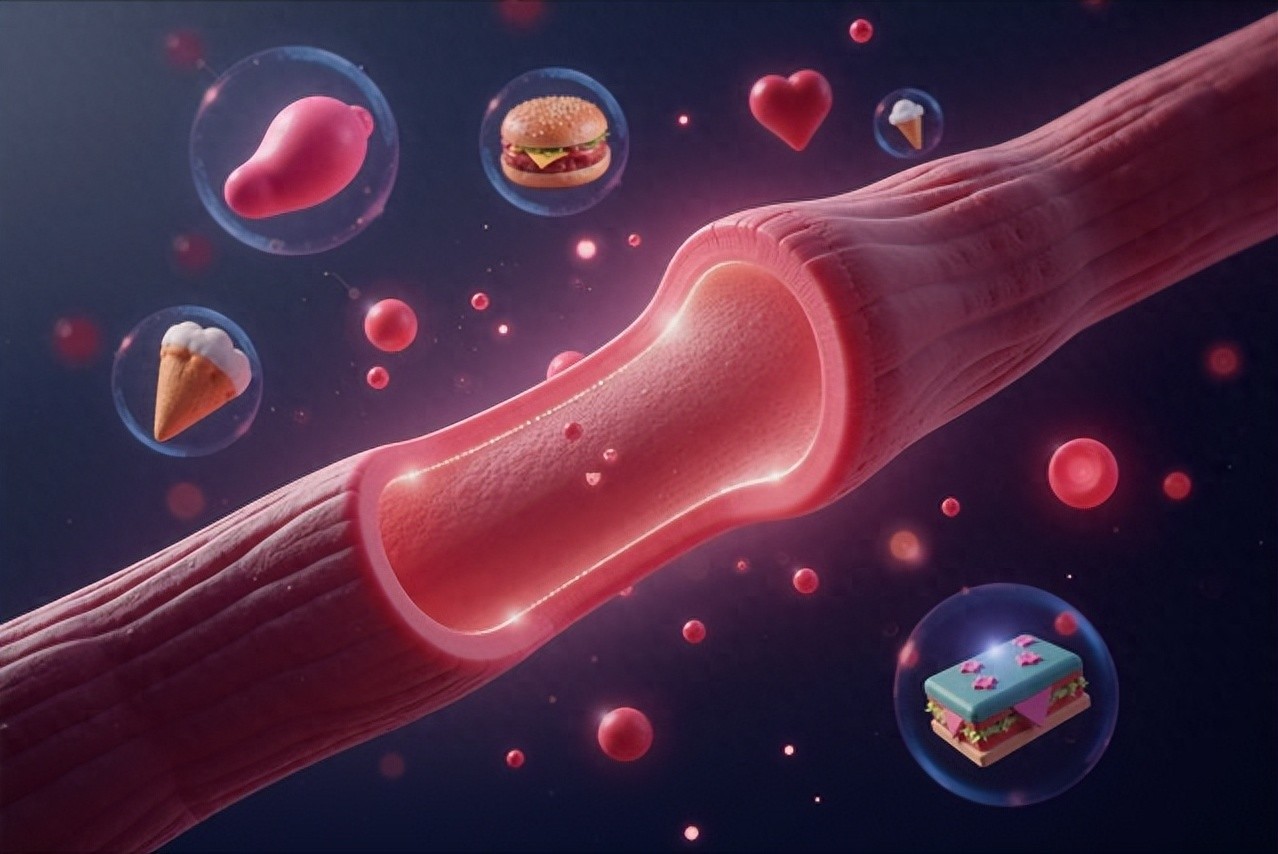
The liver is not an "outsider" when it comes to lowering blood sugar.
Our liver, in traditional Chinese medicine, is like a "chief manager," responsible for "smooth flow regulation"—ensuring that the body's qi, blood, and emotions circulate smoothly without obstruction.
If this "chief manager" becomes stressed or irritable and starts "feeling stuck" (commonly known as liver qi stagnation), its partner—the spleen and stomach—can’t function properly.
What do the spleen and stomach do? They handle "transformation and transportation," which means converting the food we eat, especially sugars, into usable energy and delivering it throughout the body.
When the liver is blocked, the spleen weakens, sugars can’t be transported properly, and they accumulate in the bloodstream—resulting in high blood sugar. At the same time, due to the "congestion," qi and blood fail to nourish the body, leading to fatigue and low energy. Over time, stagnant liver qi can also "generate heat," causing symptoms like dry mouth, bitterness in the mouth, and irritability.

Regulating blood sugar begins with regulating the liver; a shift in approach is essential.
Therefore, in traditional Chinese medicine, managing diabetes is not just about acting as a "blood sugar-lowering soldier," but rather about being a "peacemaker" who harmonizes the relationship between the liver and spleen, helping them collaborate once again.
In this context, it's essential to mention a classic approach to harmonizing the liver and spleen, represented by the renowned formula "Xiaoyao San." It serves as a model for this "peacemaker" strategy.
Chaihu acts as the "vanguard," specifically dispersing the stagnated qi in the liver and lifting the spirits of the "chief manager."
Angelica sinensis and white peony root serve as the "logistics team," responsible for replenishing blood to the liver damaged by stagnant qi, making it soft and moist.
Atractylodes macrocephala, Poria cocos, and licorice act as the "cheerleading squad," boosting the spleen and stomach by invigorating qi (strengthening the spleen and replenishing qi), helping them restore their transportation and transformation functions.
Finally, a small amount of mint and ginger is used, like a refreshing breeze, to help Bupleurum radix better soothe the liver and relieve stagnation.
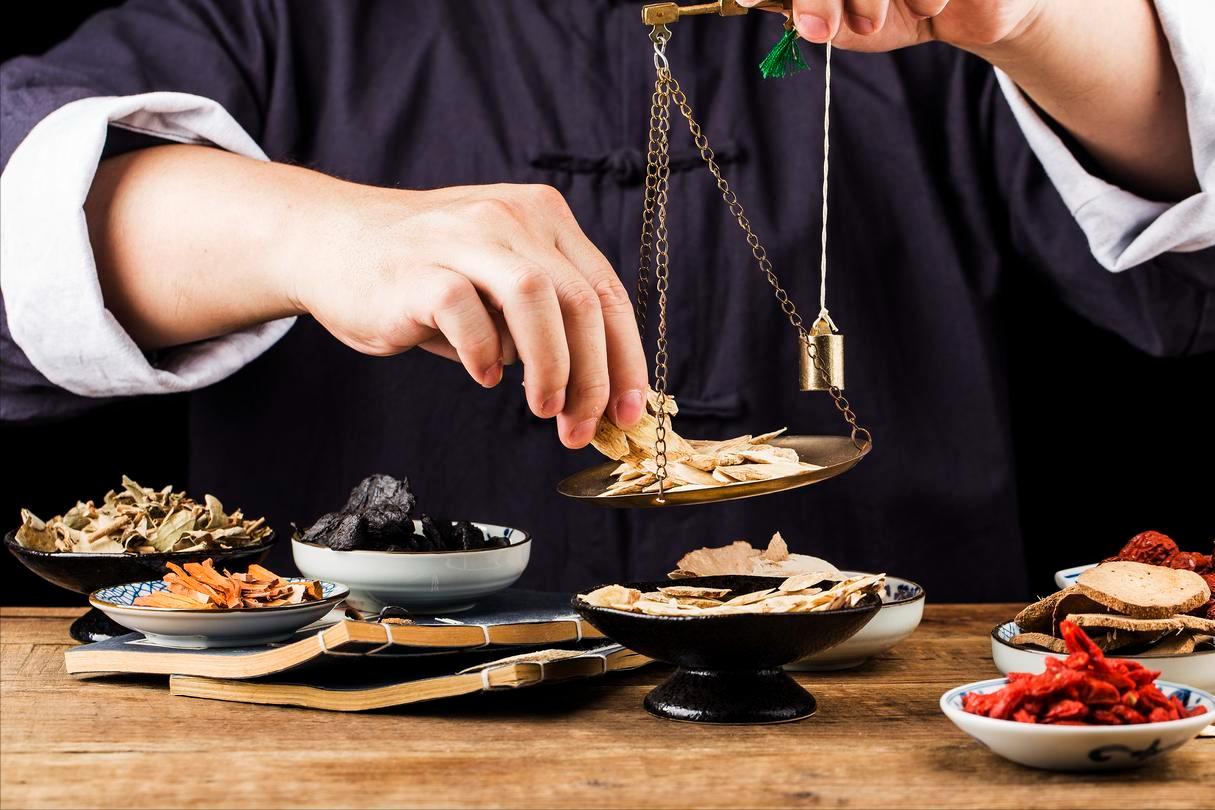
You see, the entire approach does not directly "suppress" blood sugar, but rather focuses on harmonizing the liver and spleen to restore the body's own ability to metabolize sugars. When the body’s functions return to normal and sugars are utilized properly, blood sugar is naturally stabilized at its root.
Friendly reminder: Of course, traditional Chinese medicine emphasizes syndrome differentiation and individualized treatment, as everyone’s condition varies. This article offers a new perspective. Regarding specific formulas and medications, it is essential to proceed under the guidance of a professional TCM practitioner!