Four Master TCM Formulations for Lowering Blood Pressure: Stabilize Hypertension, Bid Farewell to Dizziness, Palpitations, and Tinnitus
Friends, when it comes to hypertension, I think many people's first reaction is to take antihypertensive medication, right? Once you stop the medication, your blood pressure "shoots" back up, and you still often experience dizziness, palpitations, and poor sleep.
Actually, from the perspective of Traditional Chinese Medicine, hypertension is not an independent "disease" but a signal from the body that its internal systems are "out of order." Everyone's "disorder" manifests differently. This is similar to a circuit breaker tripping at home—sometimes it's because too many appliances are turned on (excess syndrome), and sometimes it's because the wiring is aging (deficiency syndrome).
Therefore, in Traditional Chinese Medicine, lowering blood pressure emphasizes "using the right key for the right lock." Today, I’ll help you sort out the four common types of hypertension. Let’s see which "lock" you belong to and which "key" you should use to open it.
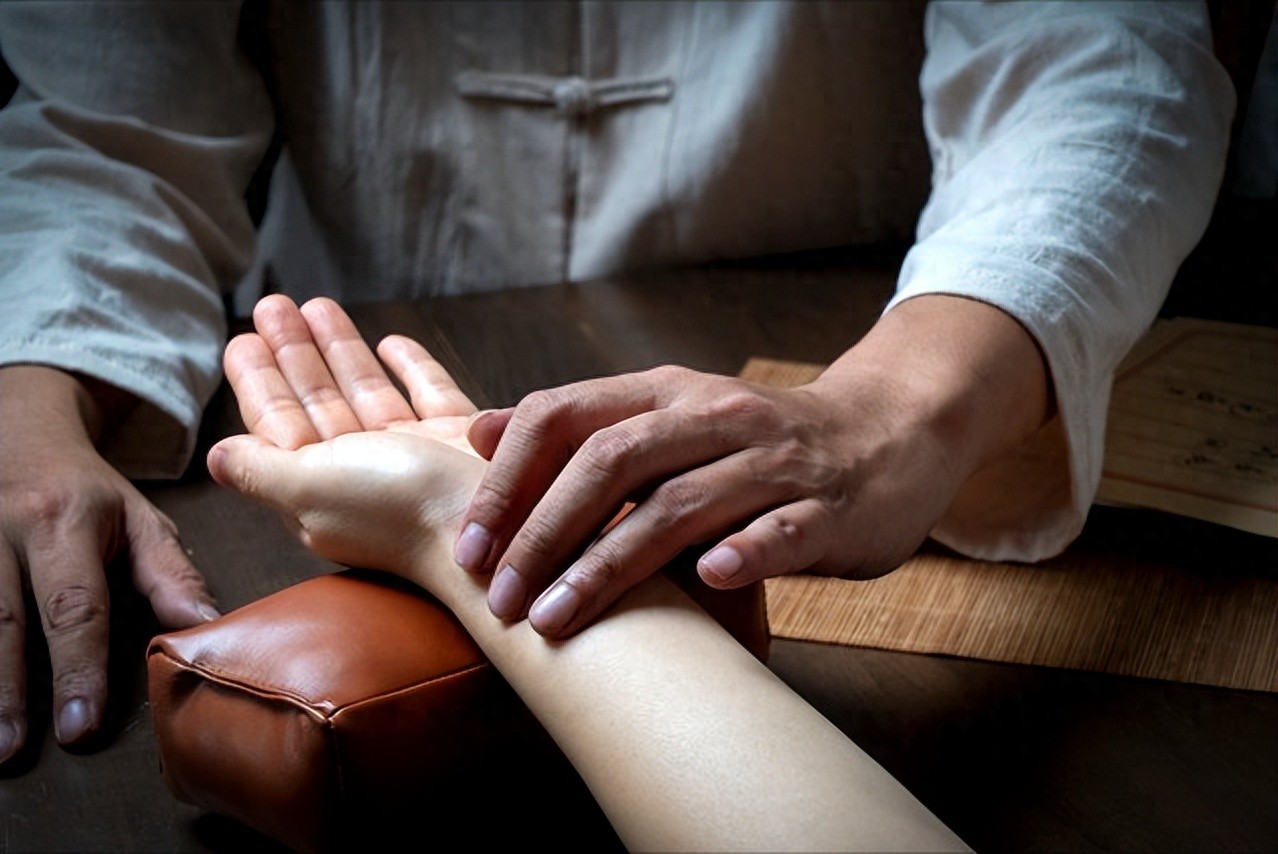
First Type: "Fiery Mountain" Temperament - Liver Yang Rising
Self-assessment: Are you usually prone to getting easily agitated and "heated"? When faced with a situation, do you feel the blood rushing to your head, with your face reddening and neck stiffening, and a throbbing pain at your temples? At night, do you toss and turn, unable to sleep, with a bitter taste in your mouth, and feel irritable toward everyone?
Traditional Chinese Medicine Perspective: This is referred to as "liver yang hyperactivity" in traditional Chinese medicine. The liver, originally responsible for regulating the flow of qi throughout the body, acts like a traffic officer. However, if you are under long-term stress, prone to anger, or frequently stay up late, liver fire can be "ignited." This "fire" flares upward, carrying qi and blood directly to the head, which naturally causes blood pressure to spike. This "pathogenic fire" disrupts the mind, leading to symptoms such as restlessness and insomnia.
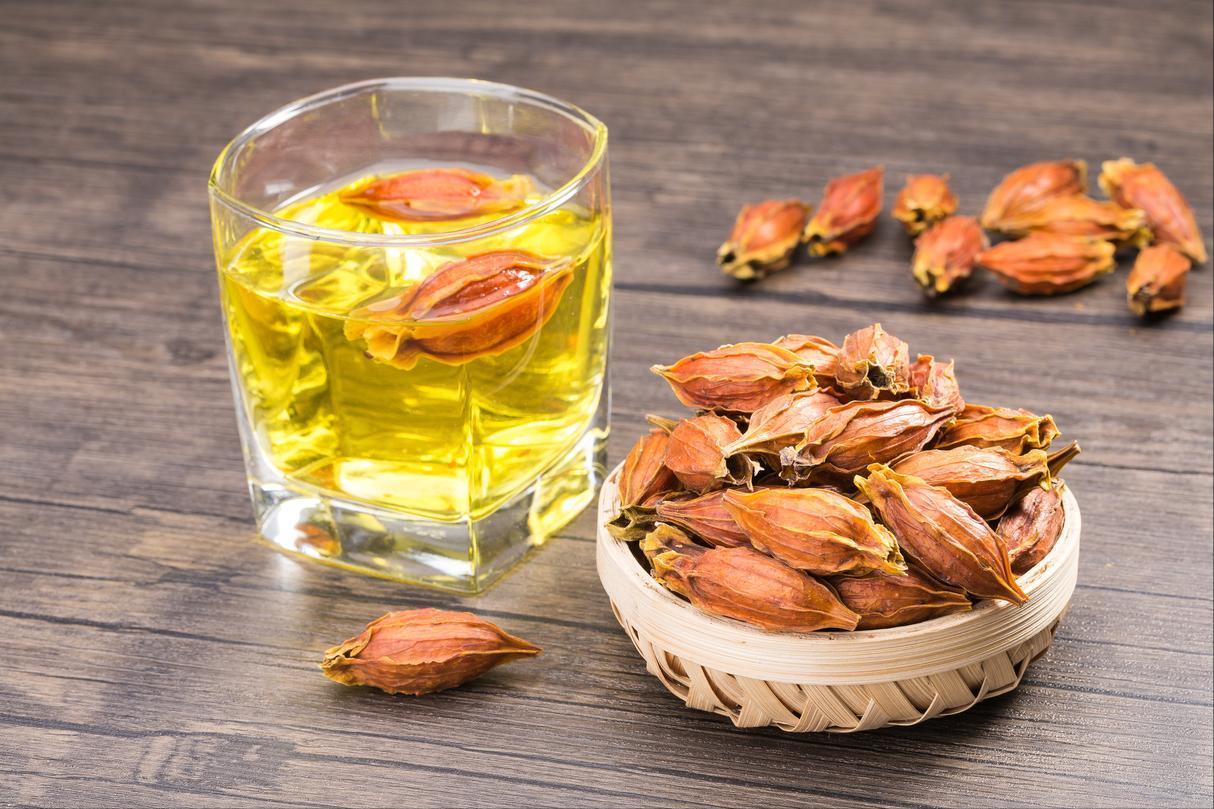
The "Key" to Lowering Blood Pressure: Gastrodia and Uncaria Decoction. This formula works by "removing the firewood from under the cauldron." Ingredients like Gastrodia elata (天麻) and Uncaria rhynchophylla (钩藤) act like firefighters, calming the hyperactive liver yang and pulling back the upward-rushing momentum. Scutellaria baicalensis (黄芩) and Gardenia jasminoides (栀子) are responsible for clearing heat and purging fire, effectively "snuffing out the source of the fire." Haliotidis concha (石决明), on the other hand, helps to calm the mind and soothe the nerves. With this combination of actions, liver fire is subdued, qi and blood flow smoothly, and blood pressure stabilizes.
The second type: "Blurred Distinctions" of gaining weight even from drinking water - Phlegm-Dampness Blocking the Middle Jiao
Self-assessment: In addition to high blood pressure, do you often feel your head heavy and foggy, as if wrapped in a damp towel, lacking clarity? Does your body feel heavy and sluggish, with a sense of tightness in the chest, and occasionally nausea? When you stick out your tongue, does it appear thick and greasy?
TCM Perspective: This is the mischief of “phlegm-dampness.” In TCM, “phlegm” is not just the phlegm in the throat, but more like the “damp waste” that the body fails to metabolize. This is usually related to the dysfunction of the spleen and stomach. The spleen, responsible for the body’s “water management system,” if it is weak, cannot properly transport and transform the water we drink, turning it into “dampness.” When dampness persists, it thickens into sticky “phlegm.” This phlegm-dampness clogs the blood vessels and meridians like mud, obstructing the flow of qi and blood, thus increasing the pressure.
Antihypertensive “Key”: Banxia Baizhu Tianma Decoction This formula acts as the body’s “dehumidifier” and “spleen-fortifier.” Banxia (Pinellia) and Chenpi (Citrus Peel) are responsible for drying dampness and resolving phlegm, clearing away the already formed “mud.” Baizhu (Atractylodes) and Fuling (Poria) then strengthen the spleen, enhancing the spleen and stomach’s ability to transport and transform dampness from the root, so the body no longer produces so much “damp waste.” Once the phlegm-dampness is removed, the passages are clear, and blood pressure naturally decreases.
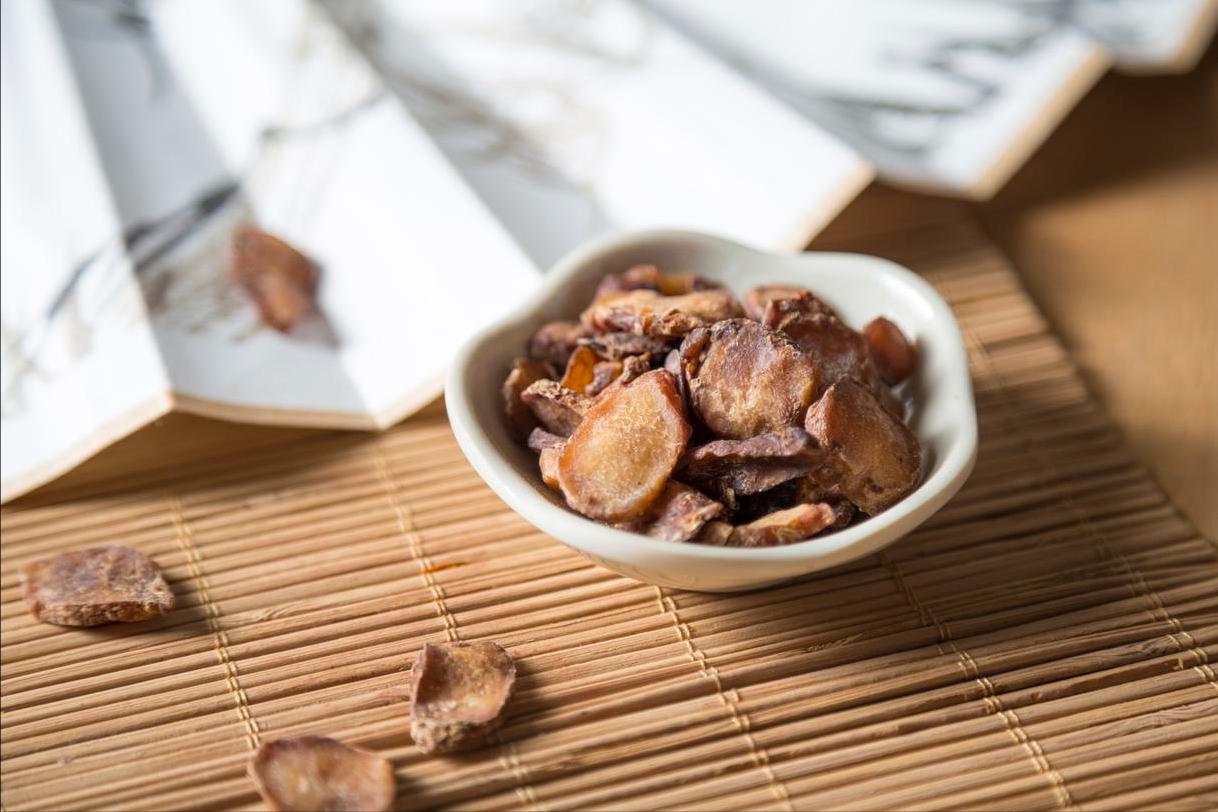
The Third Type: Feeling Weak All Over - The "Old Driver" Type - Qi Deficiency and Blood Stasis
Check off the boxes: Your blood pressure is high, but you feel generally low in energy, always tired, and your speech lacks vigor. You also experience occasional numbness in certain areas, like tiny ants crawling, and have even had brief episodes of facial or eye distortion, along with slurred speech.
How Traditional Chinese Medicine Views It: This is a classic case of "Qi deficiency and blood stasis." You can think of "Qi" as the "pump" that drives blood flow and "blood" as the water in a river. "Qi deficiency" means the pump is weak, so the water flow naturally slows down. This sluggish flow (blood) is prone to accumulating in certain areas, forming "blood stasis." When there is a "blockage" in the blood vessels, the subsequent blood cannot pass through, leading to increased pressure. If local areas of the body do not receive nourishment from blood circulation, symptoms like numbness can occur.
The "Key" to Lowering Blood Pressure: Buyang Huanwu Decoction This formula is considered the premier choice for "tonifying Qi and invigorating blood." The formula heavily relies on astragalus root to essentially supercharge the body’s "pump," boosting the Qi. Once Qi is abundant, blood-activating and stasis-removing herbs like Chinese angelica root, Szechuan lovage root, peach kernel, and safflower are used to dredge those "blocked" river channels. With power boosted and roadblocks cleared, blood circulation becomes smooth, and blood pressure stabilizes.
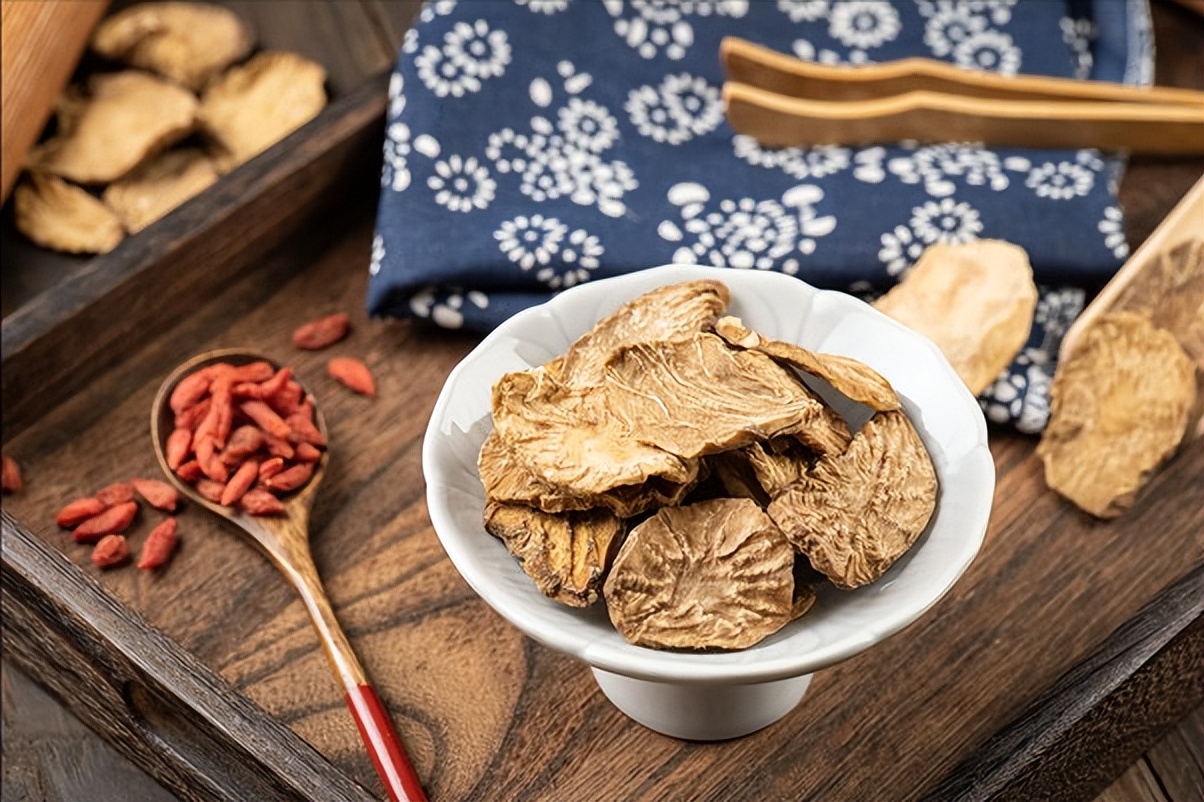
The Fourth Type: The "Exhaustion" Type of Premature Aging - Liver-Kidney Yin Deficiency
See If This Fits You: This type of hypertension more closely resembles a "chronic consumptive disease." As you reach middle age, do you often feel a soreness in your waist and weakness in your legs, getting tired easily from standing? Is there a constant "cicada-like ringing" (tinnitus) in your ears, and are your eyes prone to dryness and blurred vision? Do the palms of your hands and soles of your feet often feel hot, and do you tend to sweat easily at night while sleeping?
Traditional Chinese Medicine Perspective: This is called "liver and kidney yin deficiency." What is "yin"? You can think of it as the body's "lubricant" and "coolant," primarily stored by the liver and kidneys. As age advances, due to prolonged fatigue or excessive sexual activity, these "yin fluids" are gradually depleted. Just as a car lacking oil and coolant causes the engine (the body) to "run dry," generating "deficient heat." This deficient heat rises and disturbs, leading to elevated blood pressure and accompanying a series of "dryness and deficiency" symptoms.
The "Key" to Lowering Blood Pressure: Liuwei Dihuang Pills (or Its Modified Formulas) You are certainly familiar with this name—it is a classic representative for "nourishing yin and tonifying the kidneys." Unlike the previous formulas that focus on "clearing" or "unblocking," its core lies in "tonifying." Through herbs like prepared rehmannia root, dogwood fruit, and Chinese yam, it "refuels" and "waters" the depleted liver and kidneys, replenishing the consumed "yin fluids." When the body’s fundamental nourishment is sufficient, the deficient heat generated from "dehydration" naturally subsides, allowing blood pressure to stabilize at its root.
This article is intended to provide insights from Traditional Chinese Medicine (TCM). The formulas mentioned are for educational purposes only and must not be self-administered! If you suffer from hypertension, it is essential to consult a qualified TCM practitioner for syndrome differentiation and individualized treatment.