A Traditional Chinese Medicine Patent Formula for You—Nourishes Essence, Blood, Liver, and Kidneys, Keeping Your Waist Strong, Legs Healthy, and Youth Preserved
I wonder if you have ever felt this way: despite not being particularly old, your knees always seem to “sound the alarm” first when going up or down stairs; in the morning, your waist feels either stiff or sore; and whenever the weather changes, especially on windy or rainy days, your old cold legs and chronic lower back pain “check in” right on schedule—making you feel even more reliable than the weather forecast.
Many people’s first reaction is: “Am I deficient in calcium? Am I just getting old?”
Calcium supplementation is certainly beneficial, but if you've tried it for a long time with little effect, it might be time to consider a different approach. In traditional Chinese medicine, the health of our waist and legs largely depends on a "foundation"—the liver and kidneys.
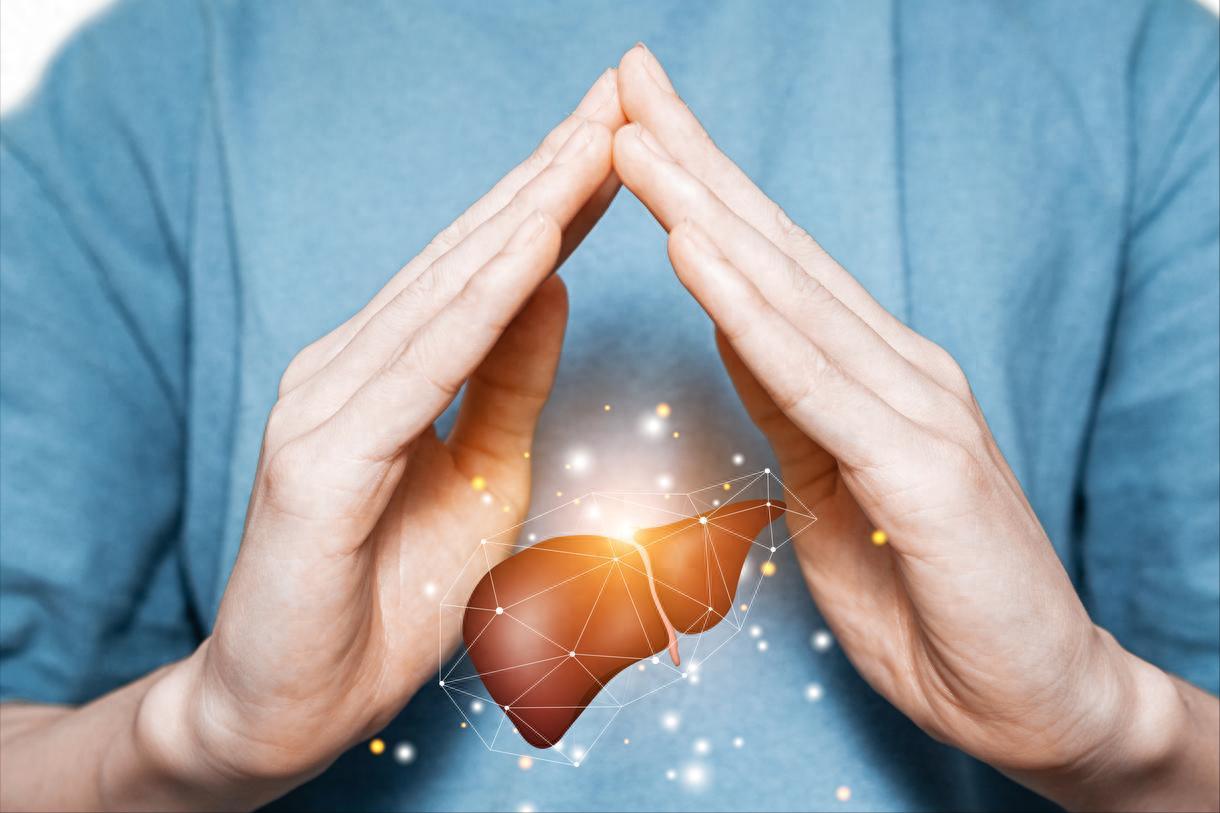
The Liver and Kidneys: The "Invisible Pillars" of Our Body
In traditional Chinese medicine, there's a saying: "The liver governs the tendons, and the kidneys govern the bones."
What does this mean? Simply put, "tendons" refer to soft tissues like tendons and ligaments in our body. Their flexibility and strength rely on nourishment from liver blood. If liver blood is insufficient, the tendons will not receive adequate nourishment, becoming dry and stiff, which can easily lead to cramps and reduced joint mobility.
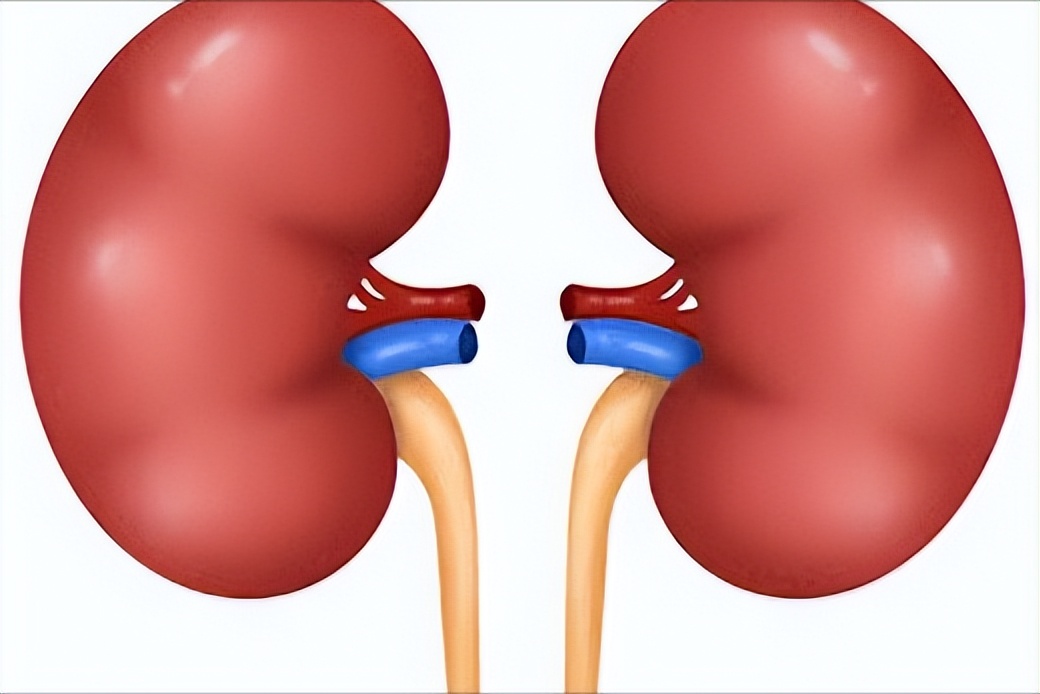
The "bones" refer to our skeletal system. The kidneys store essence, essence generates marrow, and marrow nourishes the bones. Kidney essence is our body’s most valuable energy reserve, which acts like "nutrient fluid" that nourishes the bones through the bone marrow. When kidney essence is abundant, the bones are strong and robust; when kidney essence is deficient, the bones become fragile and porous, making them unable to support the body, leading to soreness and weakness in the lower back and knees.
Therefore, the liver and kidneys are like the foundation and load-bearing walls of our body's "house." When the foundation (liver and kidneys) becomes deficient and Qi and blood (building materials) are insufficient, this "house" naturally becomes unstable.
"Pathogenic wind" takes advantage of the weakness, and pain comes knocking.
If the foundation is unstable, the house is vulnerable to wind and rain. The same applies to the body.
When our liver and kidneys are deficient and our qi and blood are insufficient, the body's "vital energy" weakens, and our defense capacity declines. At this time, external "pathogenic factors" such as wind, cold, and dampness are particularly likely to take advantage of this weakness, infiltrating our meridians and joints to "settle in."
When wind pathogens invade, the pain tends to wander—hurting in one place today and another tomorrow.
When cold pathogens invade, the pain feels as if it's frozen—a cold, stabbing pain that eases somewhat with heat application.
When damp pathogens invade, the body feels heavy and sore, with joints as if filled with lead, especially uncomfortable on overcast or rainy days.
These three pathogenic factors often "gang up" to invade the body, lingering and hindering the normal flow of qi and blood—where there is obstruction, there is pain. Thus, you may notice that many cases of low back and leg pain are not just characterized by soreness and weakness but also accompanied by chills, stiffness, and numbness. This is actually a typical manifestation of "unstable foundation" (deficiency of the liver and kidneys) coupled with the "invasion of external pathogens" (wind-cold-dampness pathogens).
How a Classic Formula "Supports Healthy Qi" and "Expels Pathogens"
Faced with this complex situation of "internal deficiency and external excess," simply relieving pain or solely tonifying often yields unsatisfactory results. The wisdom of Traditional Chinese Medicine lies in "holistic regulation." There is a time-honored classic formula—Du Huo Ji Sheng Wan—whose formulation strategy is particularly ingenious and can be regarded as a model of "treating both the root and the branch."
This prescription deploys its forces in three directions, working in coordinated action:
First Brigade (Primary Force for Expelling Pathogens): Led by medicinal herbs such as Du Huo (Angelica Pubescens) and Fang Feng (Saposhnikovia), they act as the "vanguard force," specializing in driving away the wind, cold, and dampness pathogens lurking in the joints and meridians. They first clear out the "external invaders," addressing the urgent issues of pain and numbness.
Second Brigade (Core Force for Strengthening the Body): Represented by Sang Ji Sheng (Loranthus) and Niu Xi (Achyranthes), they directly target the root cause—the liver and kidneys. Their role is to nourish and strengthen the liver and kidneys, as well as fortify the bones and tendons. This is like "reinforcing the foundation and load-bearing walls" of our body after "clearing out external enemies," making the bones and tendons strong and resilient again.
Third Brigade (Logistical Support): Combined with herbs like Dang Gui (Angelica Sinensis) and Chuan Xiong (Ligusticum Chuanxiong) to nourish and invigorate the blood, as well as warming and dispersing cold herbs like Rou Gui (Cinnamon). Their role is to replenish "building materials" (qi and blood) while "warming" the body, ensuring smooth circulation of qi and blood. This allows nutrients to be effectively delivered to the waist, legs, and joints, completely expelling cold from the body.
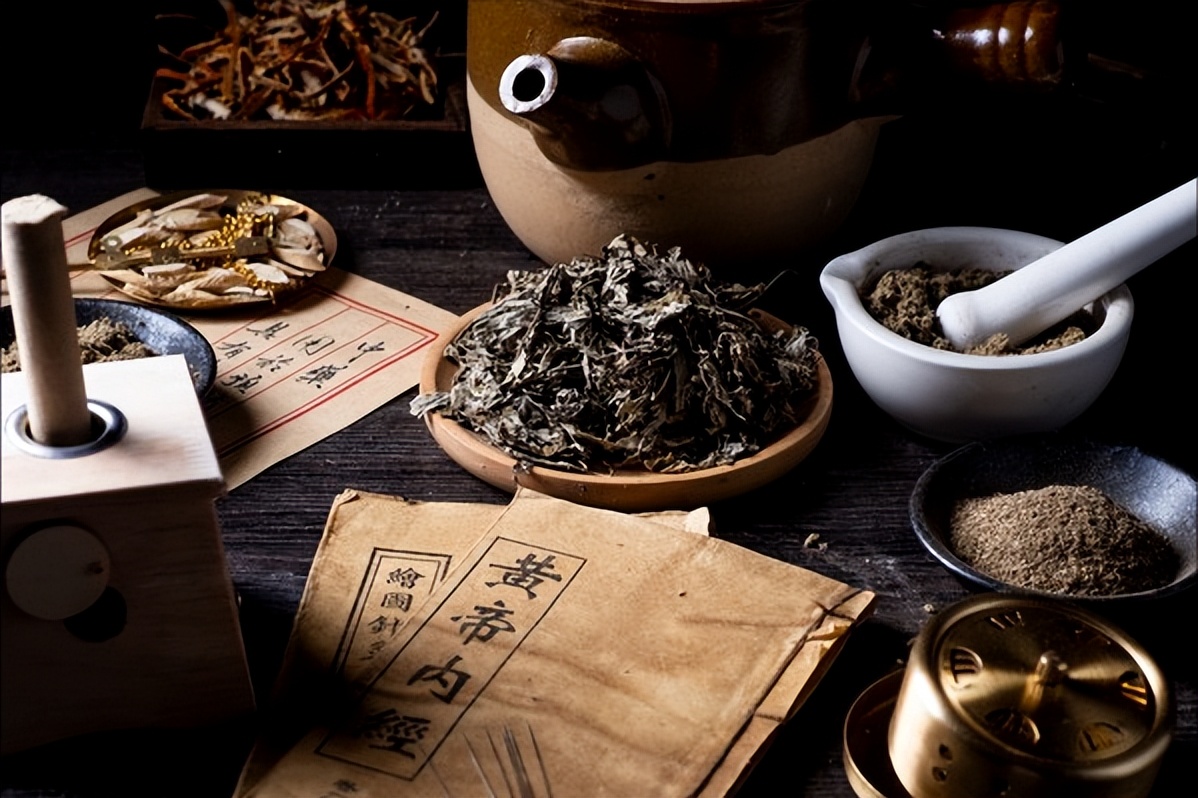
You see, these three forces—one expelling pathogens, one strengthening the body, and one providing logistical support—work together in a three-pronged approach. They first address the immediate pain issues (treating the symptoms), then replenish the weakened liver and kidneys (treating the root cause), restoring the body to a healthy state of "solid foundation, impervious to pathogens."
Traditional Chinese medicine emphasizes syndrome differentiation and treatment according to patterns. If you have similar concerns, the best approach is to consult a professional TCM practitioner to accurately assess your constitution and identify the root cause. A good prescription must be applied to the right person to truly take effect.