Back Pain is Heart, Arm Pain is Spleen, Leg Pain is Kidney—Remember These 3 Medicines to Help Unblock and Connect Your Whole Body
As the saying goes, "If it's free-flowing, there's no pain; if there's pain, it's not flowing freely." Unexplained pain in the body is actually a sign that the body's "traffic" system isn't functioning properly. Today, let's talk about pain in the back, arms, and legs. These pains might be signals from specific internal organs and how to address them.
I. Feeling tightness and stabbing pain in the back? It’s often related to the "heart."
Have you ever felt this way: your back, especially around the left shoulder blade area, always feels tight and stiff, as if carrying a heavy rock, and sometimes there's a dull ache? Many people think it's shoulder periarthritis or overuse, but it could very well be your "Heart" sounding an alarm.
In Traditional Chinese Medicine (TCM), the Heart governs the blood vessels and is the "pump" for the circulation of Qi and blood throughout the body. The Yang Qi of the Heart is like a "little sun" inside us, responsible for propelling blood to warm the entire body. If this "little sun" lacks energy (i.e., Heart Yang Deficiency), or if there's a "traffic jam" in the circulatory pathways (i.e., Heart Blood Stasis), Qi and blood cannot smoothly nourish the back. The sensation is like water pipes in winter about to freeze—cold and tight—naturally leading to soreness and discomfort.
What should you do? If your back pain has these characteristics: accompanied by chest tightness, palpitations, and a dark purplish tongue color, the key is to "clear the traffic jam." You might consider Blood Mansion Stasis-Expelling Pills, which act like a "road-clearing crew" to help promote blood circulation, remove stasis, and unblock the congestion. Once the qi and blood flow smoothly, the back pain will naturally ease.

II. Feeling weakness and heaviness in the arms, unable to lift them? You need to check the "spleen."
The arm is not injured, but it just feels sore, weak, and lacking strength. Lifting things becomes difficult, as if it were weighed down like lead. In such cases, don’t always assume it’s an issue with the arm itself—the root cause may lie in the "spleen."
Traditional Chinese Medicine often states that "the spleen governs the muscles and limbs." The spleen and stomach are our "logistics ministers," responsible for transforming ingested food into qi and blood energy, which is then transported to the muscles and limbs throughout the body. If the spleen and stomach are weak and this "logistical" work is not carried out effectively, the efficiency of qi and blood production and transportation decreases. As the arms are relatively distant from the "center," they are naturally the first to experience a "supply cut-off," lacking sufficient nourishment, which leads to a state of weakness and fatigue known as "malnutrition."
What to do? If, in addition to weak and sore arms, you often feel fatigued, have a poor appetite, and loose stools, the focus should be on nurturing the "support system." You may consider Guipi Wan, which excels at strengthening the spleen, replenishing qi, nourishing blood, and calming the mind. It essentially provides an "energy boost" for the spleen and stomach, enabling them to produce sufficient qi and blood to nourish the limbs. When the spleen and stomach are strong and healthy, the arms will naturally gain strength.

III. Feeling weakness in the legs and feet, soreness in the lower back and knees? Don’t forget the "kidneys."
Aging first affects the legs—many leg and foot problems are closely linked to the "kidneys." According to traditional Chinese medicine, "the waist is the residence of the kidneys, and the kidneys govern the bones and generate marrow." The kidneys function like the body's "battery," storing innate vitality and serving as the foundation for strong muscles and bones.
With age or excessive fatigue, the "battery power" of the kidneys gradually depletes. When kidney essence becomes deficient, the bones lose nourishment, much like worn-out machine parts. This can lead to symptoms such as soreness and weakness in the waist and knees, leg weakness, and trembling while climbing stairs. Concurrently, kidney deficiency may manifest as tinnitus, poor memory, and frequent nighttime urination.
What can be done? This condition can be viewed in two ways:
Pure deficiency syndrome: The pain is not severe, mainly characterized by soreness and weakness. In this case, the focus of treatment is "recharging"—tonifying the liver and kidneys and strengthening the bones and muscles. Duhuo Jisheng Pills may be considered as a reference, as they help nourish the "roots" of the liver and kidneys, naturally promoting stronger muscles and bones.
Cold-dampness invasion: If your legs not only feel weak and sore but also cold and painful, especially worsening on rainy or cold days, it is often due to external pathogenic factors like wind-cold-dampness invading your joints. At this time, in addition to tonifying, it is more important to "expel the pathogenic factors." You may consider Wangbi Granules, which can dispel wind, dissipate cold, eliminate dampness, and unblock the meridians, first driving away the "harmful elements" entrenched in the joints so that the pain can be alleviated.
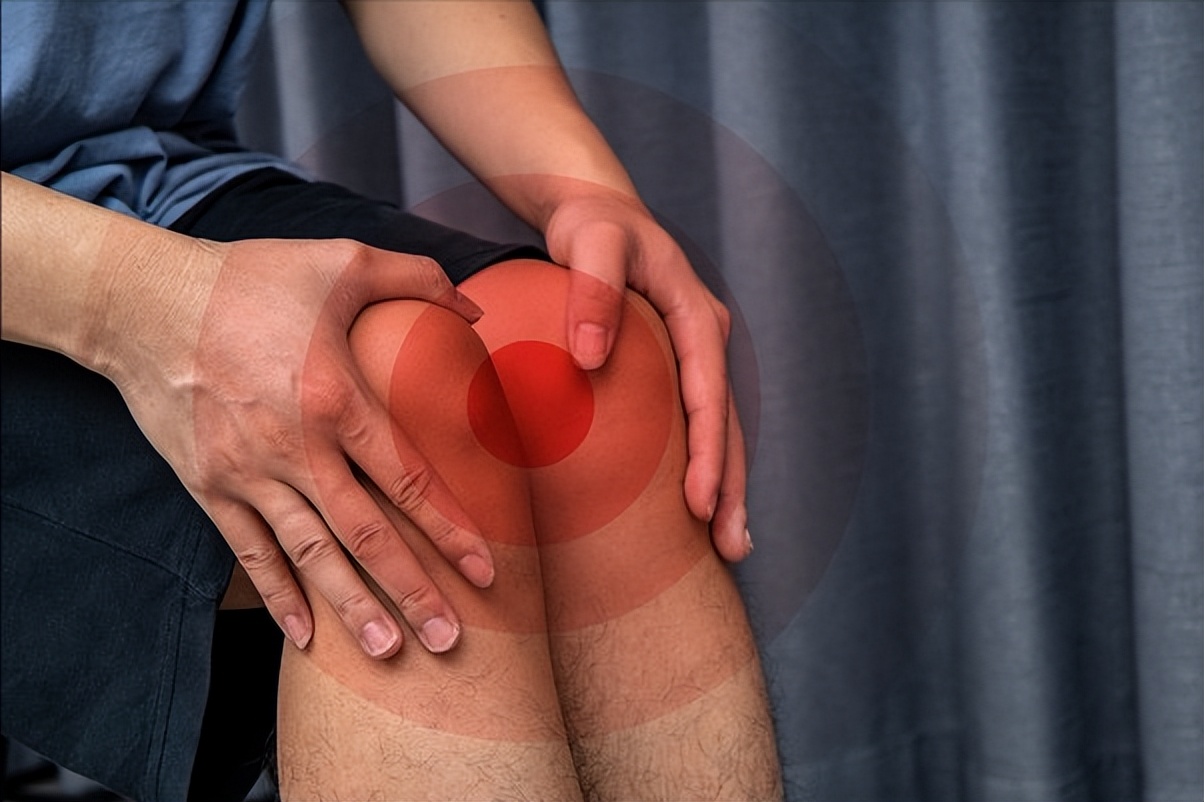
Finally, a reminder: Pain in the body is always a signal that shouldn't be ignored. The ideas and Chinese patent medicines mentioned above are meant to serve as a reference. Everyone's situation is different, so before taking any medication, it's best to consult a professional Traditional Chinese Medicine practitioner for proper syndrome differentiation. That way, your treatment will be twice as effective!