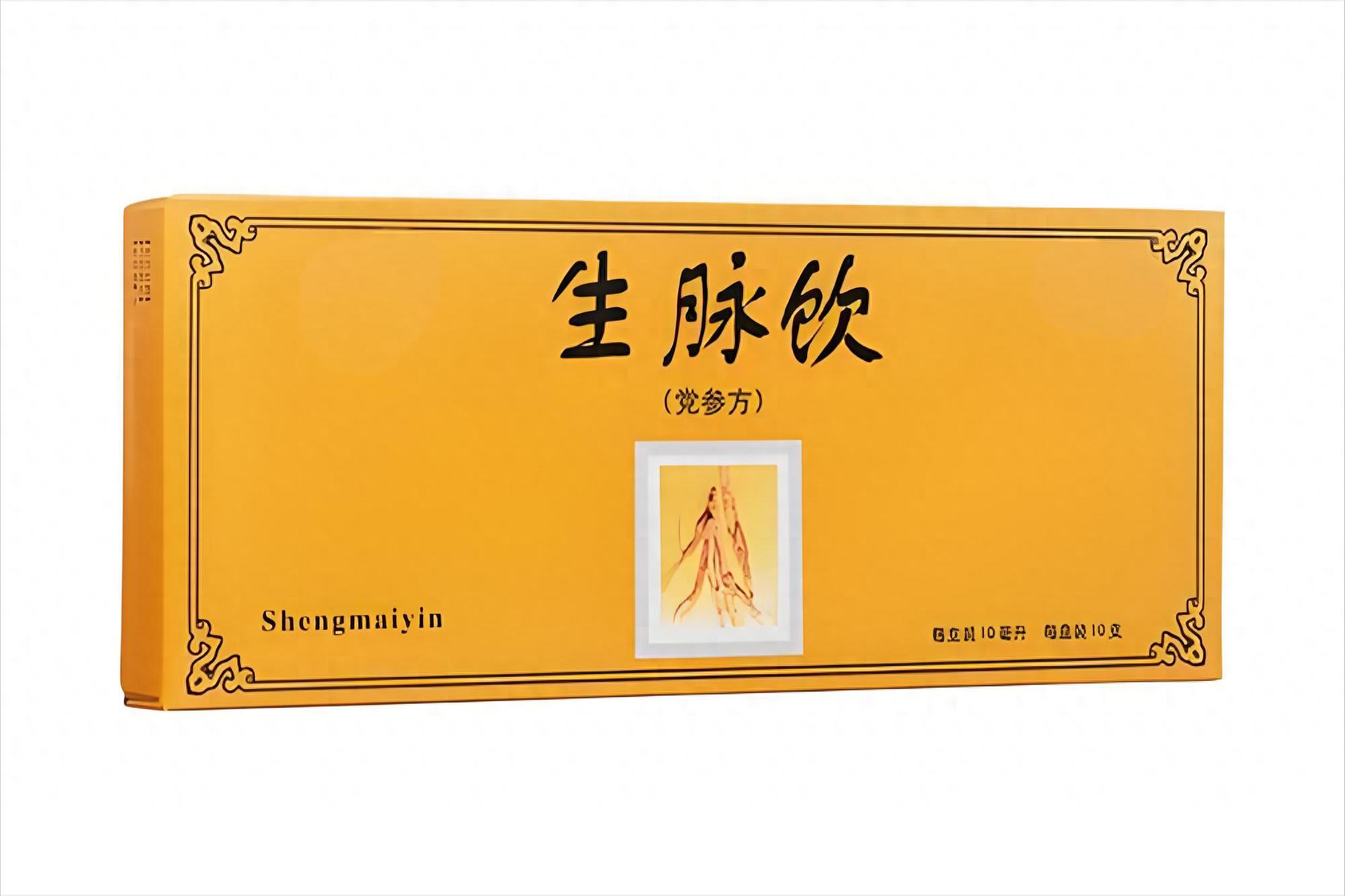
Sheng Mai Drink is the best tonic during the Dog Days, capable of treating 9 types of ailments.
When it comes to the most practical tonic for the Dog Days, Sheng Mai Drink definitely makes the list. This formula is particularly well-regarded in the circles of traditional Chinese medicine. It consists of three herbs: ginseng, ophiopogon root, and schisandra berry, subtly embodying the principle of "tonifying qi without harming yin, nourishing yin without obstructing qi." Today, let's talk about which nine common summer issues it can help regulate.
First, let's discuss those who feel listless and droopy as soon as the weather gets hot. These individuals often experience palpitations and shortness of breath with minimal exertion, have damp, sweaty backs, and their clothes always seem drenched as if washed in water. Traditional Chinese Medicine emphasizes that "sweat and blood share the same source," meaning excessive sweating actually consumes heart qi. It's like the small hole in a teapot lid; when qi is insufficient, body fluids cannot be retained. At this point, using Sheng Mai Drink is like pumping air into a deflated balloon. The astringent nature of schisandra berry helps to close the pores that are dispersing sweat outward, while ophiopogon root can moisten the dried-up "heart field."
The second scenario is when blood pressure consistently fails to rise. Some individuals experience blackouts and ringing in the ears when standing up after squatting. In traditional Chinese medicine, this is referred to as "failure of clear yang to ascend," akin to a pump lacking the strength to push water to higher levels. Ginseng in Shengmai Yin replenishes the qi of the spleen and lungs, essentially providing extra power to the pump. Combined with Ophiopogon japonicus, which nourishes yin, it facilitates the upward flow of qi and blood like a gentle stream.
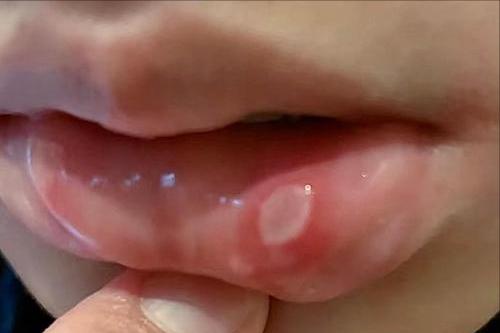
The third scenario involves those who frequently experience "heatiness" in summer. Such individuals suffer from recurrent mouth ulcers and a throat so dry it feels parched, with thirst unquenched despite drinking plenty of water. Instead of hastily turning to cooling herbal teas, it is important to determine whether this is "deficiency heat." It is similar to a stove running out of firewood while the pot continues to burn—what is needed is to add firewood (replenish qi) and water (nourish yin). Ophiopogon japonicus in Shengmai Yin moisturizes dryness in the lungs and stomach, while Schisandra chinensis helps to consolidate deficiency heat. This approach is far more effective than consuming cooling teas.
The fourth scenario is dizziness upon standing after squatting. This is a classic manifestation of qi and blood deficiency, much like a phone shutting down due to low battery. The three herbs in Shengmai Yin work synergistically: ginseng replenishes qi, Ophiopogon japonicus nourishes yin, and Schisandra chinensis strengthens the foundation. Together, they act like a fast charger for the body. Once qi and blood are sufficiently replenished, dizziness naturally subsides.
The fifth scenario pertains to an "unruly" heart. Some individuals frequently experience palpitations or irregular heartbeats, reminiscent of the erratic pendulum of an old-fashioned clock. Traditional Chinese medicine holds that "qi commands blood." When qi is deficient, blood circulation weakens. Shengmai Yin not only replenishes qi but also nourishes yin, helping the heart beat more rhythmically.
The sixth type is those with persistent dry coughs. These individuals have coughs without phlegm, dry and itchy throats, and find cough suppressants ineffective. This is often due to dual deficiency of qi and yin, like a tree lacking water, causing its leaves to dry up and fall. Mai Men Dong in Sheng Mai Yin can moisten the lungs, Wu Wei Zi can astringe lung qi, and Ren Shen can replenish qi. With these three working together, the cough naturally subsides.
The seventh type involves women going through menopause. Some women at this stage often feel heat in their palms and soles, experience night sweats, and become irritable. This is actually a manifestation of insufficient kidney yin, like a stove burning too hot and nearly drying up the water. Sheng Mai Yin can nourish yin and promote fluid production, akin to adding water to the stove, restoring the balance of yin and yang.
The eighth type is Sjögren's syndrome. These individuals often experience dry mouth, dry eyes, and dry, flaky skin, like land suffering from a prolonged drought. Traditional Chinese medicine attributes this to insufficient body fluids. Mai Men Dong in Sheng Mai Yin can moisten the lungs and stomach, Wu Wei Zi can astringe fluids, and Ren Shen can replenish qi and promote fluid production. Together, these three herbs work like a timely rain on parched land.
Finally, let’s discuss the issue of constipation. Some individuals experience dry, hard stools and difficulty with bowel movements, which is often due to dual deficiency of qi and yin. It’s like a riverbed without water, where boats cannot move. Sheng Mai Yin both replenishes qi to promote bowel movements and nourishes yin to moisten the intestines. With this dual approach, constipation is naturally resolved.
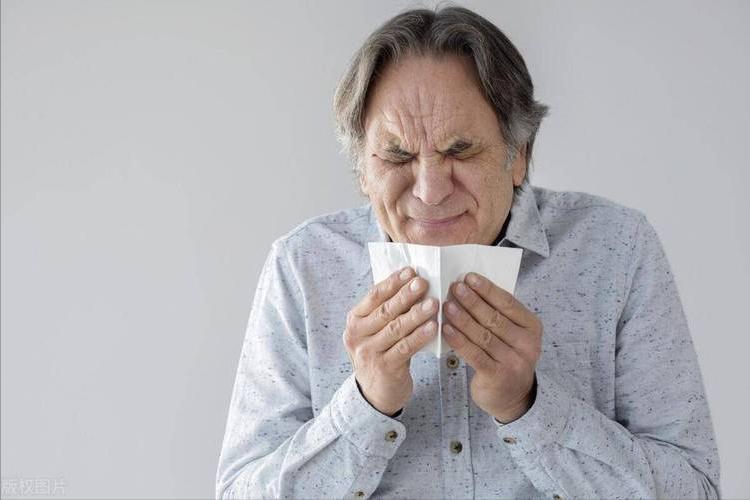
However, it should be noted that while Shengmai Drink is beneficial, it is not suitable for everyone. Avoid drinking it when you have a cold or fever, and those with weak spleen and stomach or prone to diarrhea should also use it with caution. It is best to take it under the guidance of a doctor to truly achieve the desired effect of regulating the body.