Dark Yellow Urine, Abdominal Bloating, Excessive Gas, Bitter Taste and Bad Breath in the Mouth, Excessive Eye Discharge? Boil One Chinese Herb in Water and Drink It.
Have you ever experienced these troubling symptoms: waking up in the morning with a dry and bitter mouth, crusty eye discharge in the corners of your eyes, slightly blurry vision, and often having red veins in your eyes? At the same time, your abdomen easily feels bloated, you pass gas frequently, and your urine is particularly dark yellow? Some male friends may also feel dampness, itching, and discomfort in the groin or scrotal area. These seemingly unrelated minor issues, from the perspective of Traditional Chinese Medicine (TCM), often point to the same underlying problem: damp-heat in the liver and gallbladder.
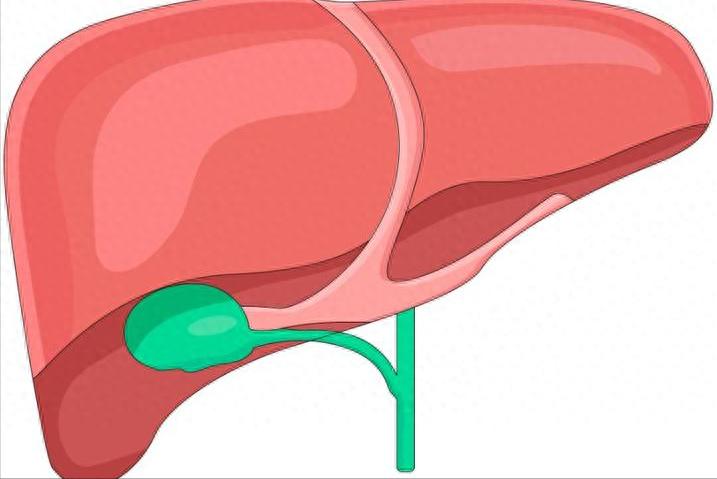
TCM believes that the liver and gallbladder are closely related. The liver is responsible for regulating the flow of qi (vital energy), while the gallbladder stores and excretes bile. If the liver and gallbladder become obstructed by the pathogenic factors known as "damp-heat" (which can be caused by factors such as a greasy diet, alcohol consumption, staying up late, or emotional stagnation), the excretion of bile becomes impaired. When bile refluxes upward, it easily causes a bitter taste in the mouth; when damp-heat steams upward to affect the eyes (as "the liver opens into the eyes"), it results in excessive eye discharge, red eyes, and blurred vision. When damp-heat descends downward, it disrupts the qi dynamics of the intestines, leading to abdominal bloating and excessive gas; when it affects the urinary system, the urine becomes dark yellow. When damp-heat stagnates in the areas where the liver meridian traverses (such as the groin or scrotum), it tends to cause dampness and itching.
In this situation, clearing heat and promoting diuresis is key. There is a traditional Chinese medicinal herb that is both food and medicine, affordable, and very helpful for clearing damp-heat from the liver and gallbladder—it is called Mian Yinchen (also known as Artemisia capillaris). It has a slightly cold nature and a somewhat bitter taste, but it is particularly skilled at “clearing heat, promoting diuresis, benefiting the gallbladder, and reducing jaundice.” It can be said to be a “specialist” specifically for addressing damp-heat in the liver and gallbladder.
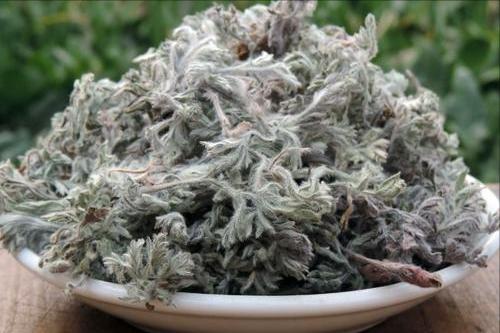
Simple usage: Take 10-15 grams of Mian Yinchen, rinse it briefly, add water, bring to a boil, then reduce to a simmer and cook for 15-20 minutes. Drink it as tea. If damp-heat symptoms are more pronounced, such as feeling heavy and sluggish, or having a thick, greasy, yellow tongue coating, you can combine it with 10 grams of Smilax glabra (Tufuling). Smilax glabra can detoxify, eliminate dampness, and soothe joints. When paired with Mian Yinchen, the effect of dispelling damp-heat is even better.
Here’s an example from someone I know: I am acquainted with Mr. Zhang, a long-distance truck driver, who often eats irregularly, frequently consumes fast food, and likes to drink a bit of beer to relieve fatigue. In recent months, he has been complaining frequently: waking up with a bitter taste in his mouth, his eyes crusted with discharge, dry and uncomfortable eyes after long hours of driving, urine as dark as strong tea, frequent bloating, excessive gas, and even some small red rashes in the groin area that itch intensely. He thought it was “excessive internal heat” and drank a lot of herbal tea, but it didn’t help much. I observed that his tongue coating was yellow and greasy, and his pulse was slippery and rapid—this is a classic case of damp-heat in the liver and gallbladder. I advised him to drink a tea made from Mian Yinchen (15 grams) with a small amount of Smilax glabra (10 grams), while also reminding him to eat a lighter diet and reduce alcohol consumption. After persisting for about ten days, he reported that the bitter taste in his mouth had improved significantly, eye discharge had decreased, his eyes felt much more comfortable, the color of his urine had lightened, and both the bloating and itching had reduced. Mr. Zhang’s example shows that by identifying the root cause—damp-heat in the liver and gallbladder—and using the right method, even a simple herb can yield good results.

Important reminder:
Effectiveness depends on accurate diagnosis: This method is primarily suitable for individuals diagnosed with damp-heat in the liver and gallbladder according to Traditional Chinese Medicine (TCM) pattern differentiation. It is more appropriate for those whose symptoms match the description above (dry mouth, bitter taste, excessive eye discharge, dark urine, bloating, yellow and greasy tongue coating). If similar symptoms are caused by other factors (such as simple stomach heat or kidney yin deficiency), this method may not be as effective.
Cool in Nature: Wormwood (Yinchen) has a cool and cold nature. Long-term, excessive consumption alone may harm the spleen and stomach. If you have a weak spleen and stomach with cold signs (such as diarrhea, intolerance to cold, and discomfort after consuming cold foods), it is not recommended to use it alone or for long-term consumption. Discontinue use once symptoms improve, or consult a traditional Chinese medicine practitioner to determine if adjustments are needed.
Use with Caution During Pregnancy: Pregnant individuals should use Wormwood under the guidance of a doctor.
If there is no apparent improvement or if symptoms worsen, please consult a physician: Discontinue use promptly and seek advice from a licensed traditional Chinese medicine practitioner if no improvement is observed after several days of consumption, or if discomfort in the stomach or aggravated diarrhea occurs. Persistent or complex damp-heat symptoms may require a more comprehensive Chinese herbal formula (such as the renowned "Yin Chen Hao Tang") for proper regulation.
Don't ignore the body's small signals, but there's no need to overreact either. Mian Yinchen, a common "dampness-removing herb" that can be purchased at any ordinary pharmacy, is affordable and serves as a simple, practical choice for mild damp-heat issues in the liver and gallbladder. Of course, combining it with lifestyle adjustments—such as consuming less greasy and spicy food, reducing alcohol intake, avoiding staying up late, and maintaining a relaxed mood—will yield even better results.