No More Profuse Sweating with Yupingfeng: Cinnamon and Cornus Officinalis Are the True Champions of Stopping Sweat
When summer arrives, or even with a little movement, people experience profuse sweating that soaks their clothes. Many people's first thought is "Yupingfeng San." This formula tonifies qi and strengthens the exterior, specifically targeting excessive sweating caused by qi deficiency failing to secure the exterior. Its effect is indeed good. However, if you have used Yupingfeng and the effect is not obvious, or you even feel the sweat is cold and you are particularly afraid of cold, then it may not be just qi deficiency; it might have progressed to yang qi deficiency.
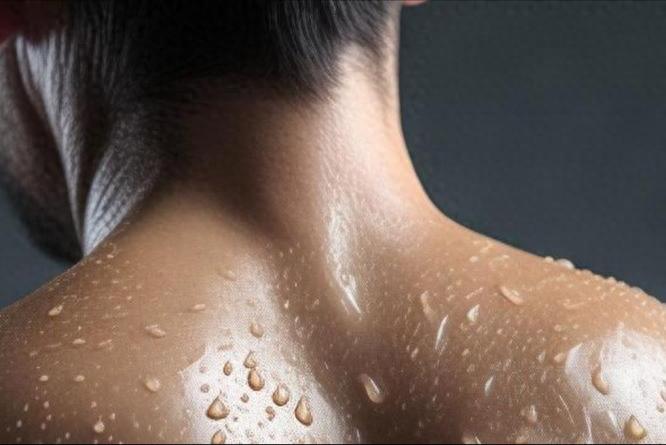
Traditional Chinese Medicine states that "qi can control fluids." When qi is deficient, it cannot control sweat. But if qi deficiency persists for a long time, the body's warming power becomes insufficient, and it easily turns into yang deficiency. At this point, merely tonifying qi is not enough; one must also warm and tonify yang qi. Yupingfeng San is excellent for tonifying qi and securing the exterior, but it does not directly warm and tonify yang qi. Therefore, it becomes inadequate for treating profuse sweating caused by yang deficiency.
For this type of profuse sweating due to yang deficiency and lack of consolidation—particularly when the sweat is cold or debilitating—and accompanied by cold hands and feet, soreness and weakness in the waist and legs, pronounced fear of wind and cold, and susceptibility to colds, traditional Chinese medicine highlights two "partners" with particularly notable effects: cinnamon and cornus fruit.
Cinnamon: This medicinal herb has a warm and hot nature, with its greatest capability being to warm and tonify kidney yang. In traditional Chinese medicine, it is often likened to the "spark" that ignites the fire of life, excelling especially at replenishing the "fire of the gate of life." When yang energy is sufficient, the body's warming power strengthens, much like the inner sun rising, naturally enabling better consolidation of body fluids and reducing cold, profuse sweating. Moreover, it can invigorate the flow of qi and blood, making muscles and skin firmer and decreasing the opening of sweat pores.
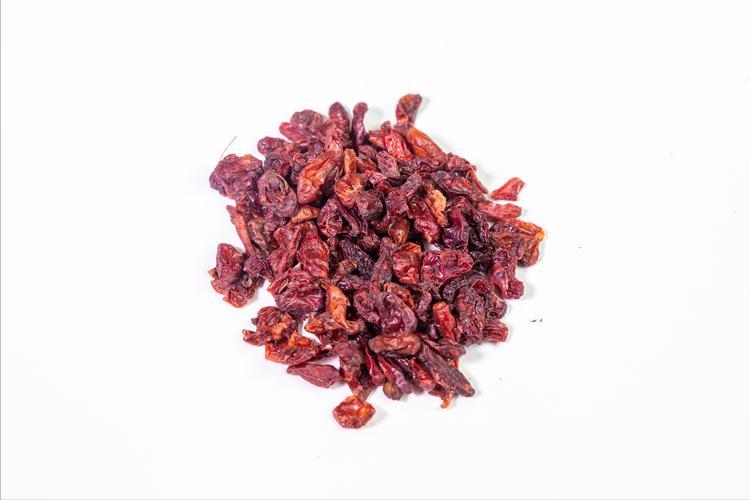
Cornus Fruit: This medicinal herb has a sour and astringent taste and a mildly warm nature. The sour taste has a constraining and consolidating effect, much like tightening a faucet to hold in dissipated primordial energy and sweat, while its warm nature can assist in promoting yang and warming yang. Thus, the renowned modern physician Zhang Xichun particularly esteemed it, calling it the "foremost medicinal for constraining sweat and rescuing collapse," especially suited for cases of profuse sweating, a feeling of physical depletion, and insufficiently preserved vital energy.
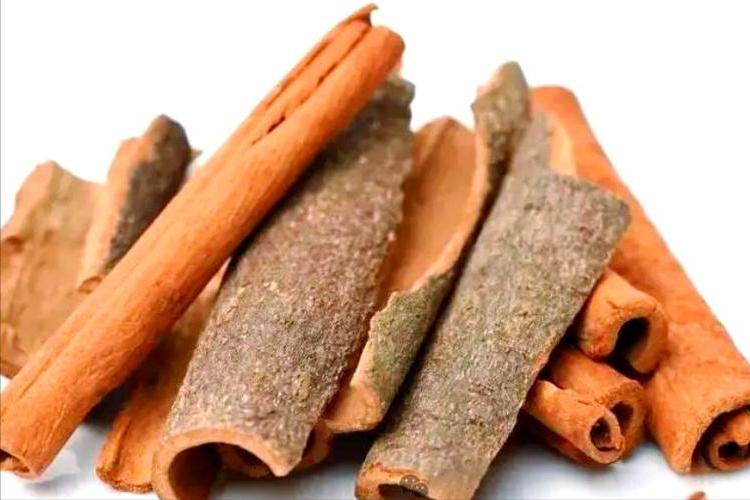
Their partnership works like this: cinnamon is responsible for lighting the "furnace" to warm and tonify yang energy, while cornus fruit is responsible for "tightening doors and windows" to constrain and consolidate. One warms and the other constrains, together effectively addressing profuse sweating due to yang deficiency and lack of consolidation.
Let's give a real example:
We once encountered a Mr. Wang, 55 years old, at our clinic. He was particularly afraid of cold; even in the middle of summer, he had to wear a thick coat in the consultation room. Walking just a few steps or having a meal would cause him to break out in cold sweats all over, especially a chilly feeling down his back. He also experienced night sweats during sleep and often felt sore, weak, and lacking strength in his lower back and knees. His hands and feet were icy cold all year round. Previously, he had tried taking Yupingfeng San (Jade Screen Powder) on his own, but the effect was minimal. Through TCM pattern differentiation, he was diagnosed with a typical pattern of Kidney Yang Deficiency and failure of consolidation and control. We advised him, under medical guidance, to start by taking a small amount of Cinnamon Powder orally and to combine it with drinking an infusion made from Cornus Officinalis (Shan Zhu Yu) as a tea substitute. After adhering to this regimen for about two weeks, he reported that his cold sweats had significantly decreased, his sensitivity to cold had lessened, and his lower back and legs felt somewhat stronger.
So, if you also experience:
Frequent heavy sweating, especially cold sweats or deficiency-type sweats;
Along with cold hands and feet, soreness and weakness in the waist and knees, sensitivity to cold, and lethargy;
The effectiveness of Yupingfeng is not satisfactory...
Under the guidance of a professional Chinese medicine practitioner, it is advisable to consider the approach of using cinnamon paired with cornus officinalis to warm yang and secure astringency. Remember, the use of medication must be based on accurate syndrome differentiation; it is best to consult a doctor first and avoid arbitrarily combining medicines on your own.