Master these 4 versatile formulas of Traditional Chinese Medicine, and you'll be able to treat half of the illnesses
The treasure trove of Traditional Chinese Medicine contains thousands of formulas, but several foundational formulas are particularly practical. By understanding them, you'll have a clear approach to managing many common minor ailments. Today, let's discuss these four "versatile foundational formulas": Guizhi Tang (Cinnamon Twig Decoction), Lizhong Tang (Regulate the Middle Decoction), Banxia Xiexin Tang (Pinellia Decoction to Drain the Epigastrium), and Xiaochaihu Tang (Minor Bupleurum Decoction). Each excels in one of four directions: promoting sweating to relieve the exterior, warming the middle and tonifying deficiency, harmonizing cold and heat, and harmonizing and resolving shaoyang.
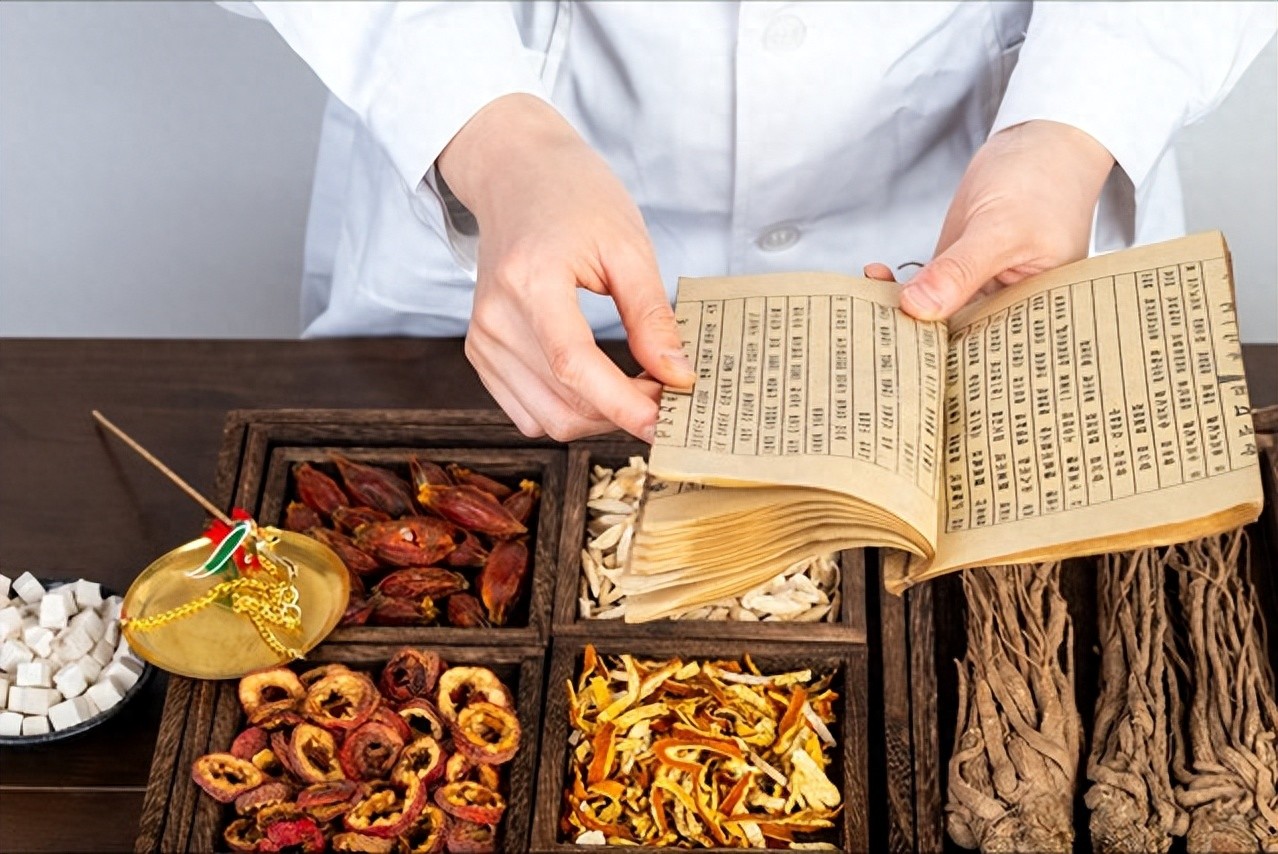
1. Guizhi Tang (Cinnamon Twig Decoction): The first choice for sweating due to deficiency and fear of wind
When to use it? For instance, when you've just caught a mild wind-cold, feel weak all over, are particularly afraid of drafts, and keep sweating lightly (not profusely). In such cases, the body wants to sweat to expel pathogens but lacks the strength.
Why does it work? Unlike powerful diaphoretic formulas like Mahuang Tang, which directly "opens the gates" to induce sweating, Guizhi Tang works by "harmonizing the nutritive and defensive qi." Simply put, it helps the two forces inside the body responsible for defense (wei qi) and nourishment (ying qi) to coordinate and work together. It gently induces a bit of sweating to drive out wind-cold pathogens without harming the body's vital energy. It's like helping the body restore its own ability to sweat and expel pathogens.
A practical example: Sister Zhang went grocery shopping in the morning without wearing enough and came back feeling unwell all over, afraid of the wind. Even a slight crack in the window made her uncomfortable, and she kept sweating lightly, with a dull headache. After drinking a bowl of hot porridge, covering herself with a blanket, and following the doctor's advice to use a modified version of Guizhi Tang, she sweated a little and felt much better. She was basically fine the next day.
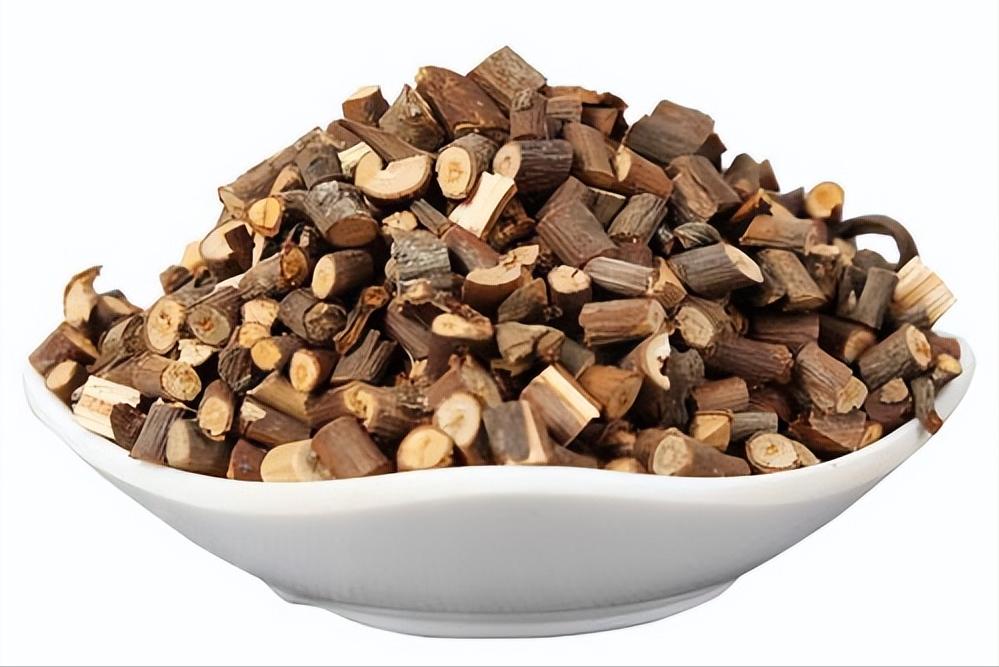
2. Lizhong Tang: Warms the spleen and stomach, stops diarrhea due to deficiency-cold.
When should it be used? For individuals whose spleen and stomach are typically "deficient and cold." For example, those who experience abdominal discomfort or even diarrhea after consuming cold foods (such as fruit or cold drinks) or greasy foods; those who often feel a vague, cold pain in the abdomen that feels better when warmed with the hand; those who generally have poor appetite, experience bloating after eating, and are prone to fatigue.
Why is it effective? In the formula, ginseng and white atractylodes act as the "main force" for replenishing the healthy qi of the spleen and stomach, while dried ginger serves as a "source of warmth" to warm the middle and dispel coldness. Prepared licorice harmonizes the properties of the other herbs. Together, they warm and energize the deficient and cold spleen and stomach, expel coldness, and restore the digestive functions of the spleen and stomach.
A practical example: Xiao Li is a young office worker who loves iced coffee and often consumes cold drinks, especially in the summer. Recently, he has been feeling a constant chill in his abdomen, experiences diarrhea after eating takeout, has loose stools, feels tired easily, and has a poor appetite. After a traditional Chinese medicine practitioner observed his pale tongue coating and weak pulse, he was diagnosed with spleen and stomach deficiency and cold. The practitioner advised him to avoid cold drinks and prescribed a modified version of the Regulating the Middle Decoction (Li Zhong Tang). After a period of adjustment, Xiao Li felt his abdomen becoming warmer, experienced fewer episodes of diarrhea, and noticed an improvement in his appetite.
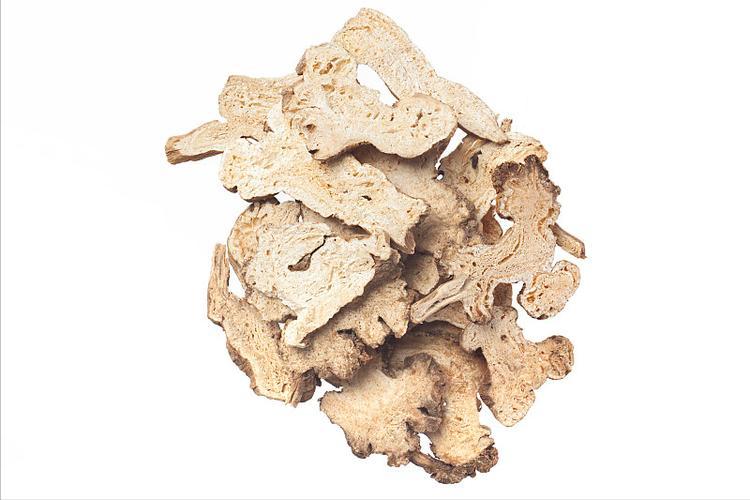
3. Pinellia Heart-Draining Decoction (Ban Xia Xie Xin Tang): Resolving stomach discomfort characterized by "both cold and heat."
When to use it? When there's a "mixture of cold and heat" in the stomach, and everything feels tangled. Typical manifestations are: after overeating or eating something that doesn't agree with you, the stomach feels bloated, even painful, with acid reflux and heartburn (a warm, burning sensation in the stomach). At the same time, diarrhea (loose stools) may occur. It feels like heat above (heartburn, possible bitter taste in the mouth) and cold below (diarrhea, possible aversion to cold in the abdomen).
Why is it effective? This formula is cleverly balanced. It uses the pungent-warm properties of Pinellia (Banxia) and dried ginger to disperse cold, lower rebellious qi, and stop vomiting. It uses the bitter-cold properties of Coptis (Huanglian) and Scutellaria (Huangqin) to clear heat, dry dampness, and address acid reflux and heartburn. It then adds some Ginseng (Renshen), Jujube (Dazao), and honey-fried licorice (Zhigancao) to tonify the spleen and stomach, preventing the heat-clearing herbs from damaging the body's vital energy. It essentially combines cold and warm herbs, clearing the heat above while warming the cold below, all while harmonizing the functions of the spleen and stomach.
Here's a concrete example: Aunt Wang recently had many social engagements. After several consecutive meals of hotpot and barbecue, her stomach began to "revolt": it felt bloated as if stuffed with stones, with dull pain, severe acid reflux and heartburn, and a bitter taste in her mouth. Oddly enough, her stool became somewhat loose. She thought she had "excessive internal heat," yet also felt abdominal discomfort. This is a classic case of intermingled cold and heat in the middle jiao (spleen and stomach). After using Banxia Xiexin Decoction with modifications, her gastric distension and heartburn were alleviated, and her stool gradually became formed again.
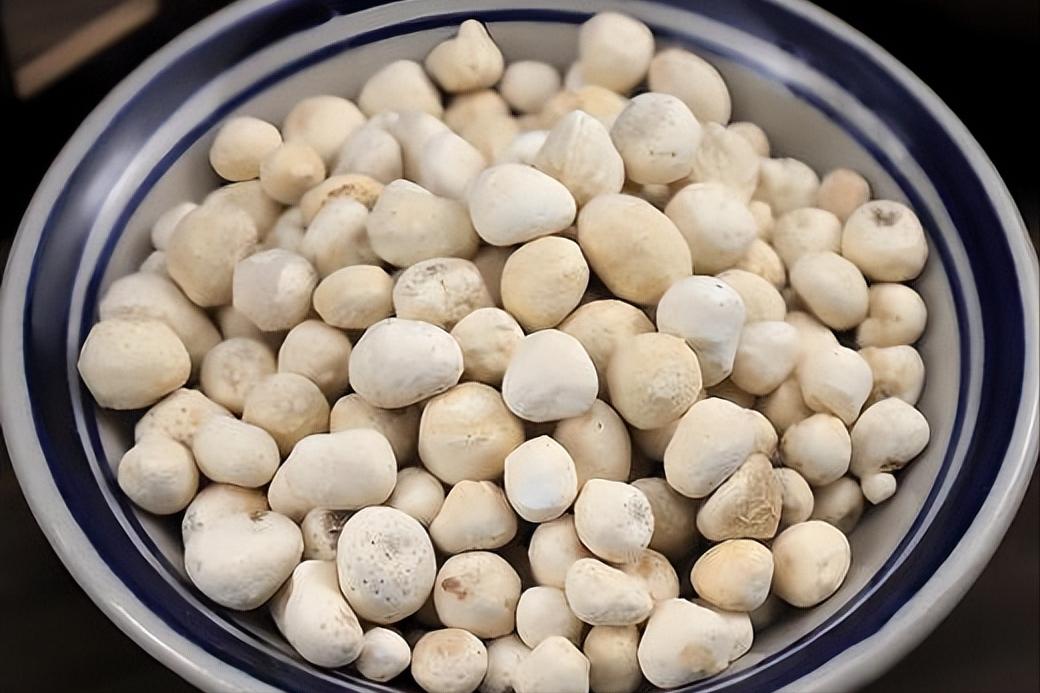
4. Minor Bupleurum Decoction: Regulating Colds and Discomfort "Stuck in the Middle"
When to Use? When a cold has dragged on for several days without fully resolving, with lingering low-grade fever and alternating chills and fever; or when there’s a persistent bitter taste in the mouth, loss of appetite, or even nausea. Another common scenario is when female friends catch a cold during menstruation, and the symptoms linger without improvement. In Traditional Chinese Medicine, this state is considered as the pathogenic factor being "half-exterior, half-interior," stuck in the middle of the body, with the body’s vital energy and the pathogenic factor locked in a stalemate.
Why Does It Work? Minor Bupleurum Decoction is the representative formula of "harmonizing and resolving agents." Bupleurum is responsible for dispersing the pathogenic factor stuck in the middle outward; Scutellaria clears and drains the stagnant heat inside; Pinellia helps harmonize the stomach and stop vomiting; while Ginseng, Ginger, Jujube, and Prepared Licorice support the body’s vital energy, providing energy to expel the pathogenic factor. This combination breaks the deadlock and helps the body push out the pathogenic factor.
Take a real example: Xiao Chen has had a cold for a week. After taking fever-reducing medication, his temperature drops a bit, but low-grade fever returns a few hours later (around 37.5°C). He experiences alternating chills and fever, a bitter taste in his mouth, no appetite, and slight nausea. Blood tests at the hospital showed no major issues. The doctor diagnosed this as residual pathogenic factors lingering in the half-exterior, half-interior stage and prescribed a modified Xiaochaihu Decoction. After two or three days, the low-grade fever subsided, the bitter taste and nausea improved, and his appetite gradually returned.
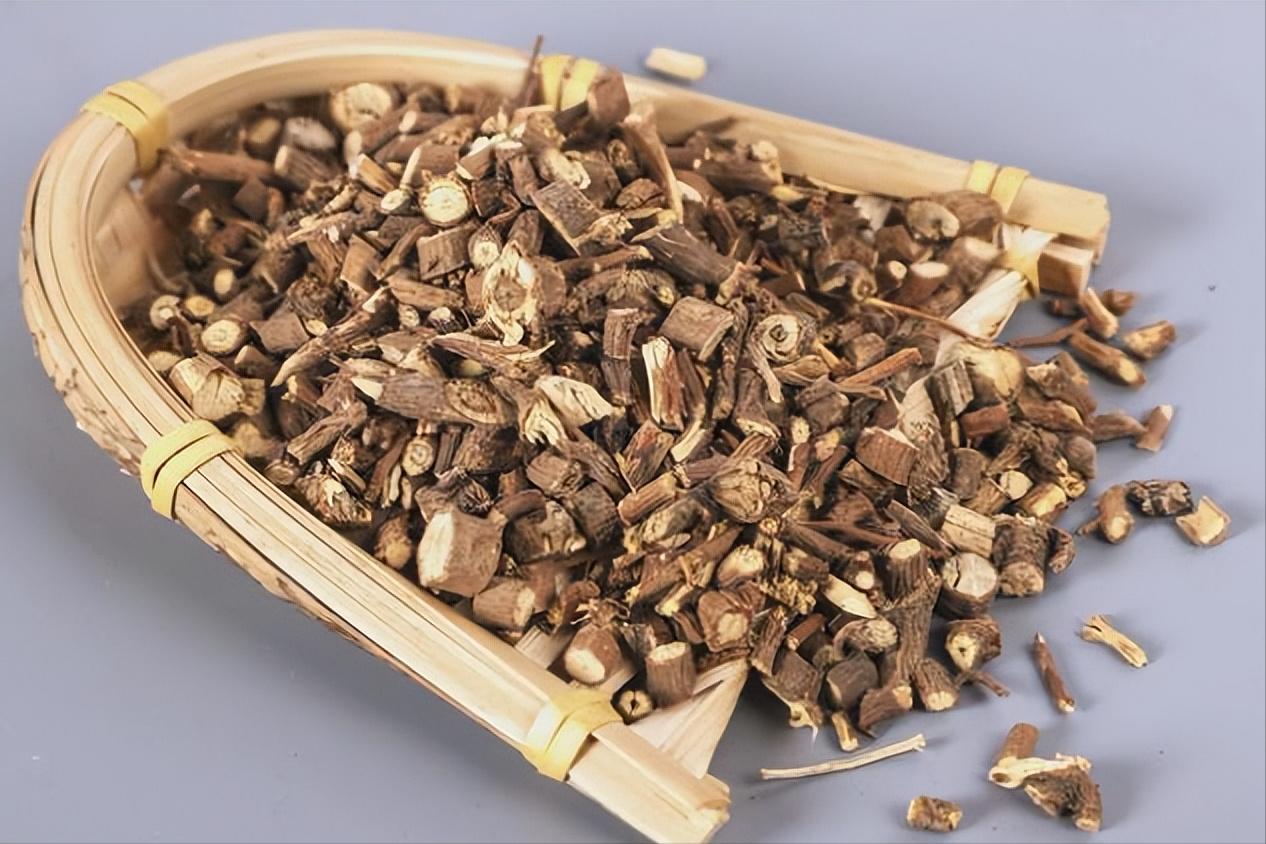
To summarize:
These four formulas are like the "basic wrenches" in the toolbox of Traditional Chinese Medicine. Guizhi Decoction addresses sweating due to deficiency and aversion to wind after catching a cold; Lizhong Decoction treats spleen-stomach deficiency-cold and susceptibility to diarrhea; Banxia Xiexin Decoction deals with mixed cold and heat in the stomach, accompanied by bloating, heartburn, and possible diarrhea; Xiaochaihu Decoction is for colds that get stuck, alternating chills and fever, a bitter taste in the mouth, and loss of appetite.
Important reminder: Traditional Chinese Medicine emphasizes pattern differentiation and treatment. These formulas are foundational, but in practical application, they often need to be modified by adjusting the herbs and dosages according to each individual's specific condition. If you feel unwell, it's best to consult a professional TCM practitioner to identify your constitution and pattern before using any medication. This approach is safer and more effective. Understanding the principles behind these foundational formulas can help us better comprehend how TCM diagnoses and treats illnesses, and enable us to maintain our health more appropriately under a doctor's guidance.