For Men's Liver Qi Stagnation, Xiaoyao Pills Should Not Be Used Alone: Master 3 Effective Combinations
If a man experiences liver qi stagnation and wants to regulate it through soothing the liver, don't rush to use Xiaoyao pills alone. Today, I will teach you three practical combination methods, all based on the Traditional Chinese Medicine principle of "treating the root cause of the disease." Let's explore the underlying principles as we go along.
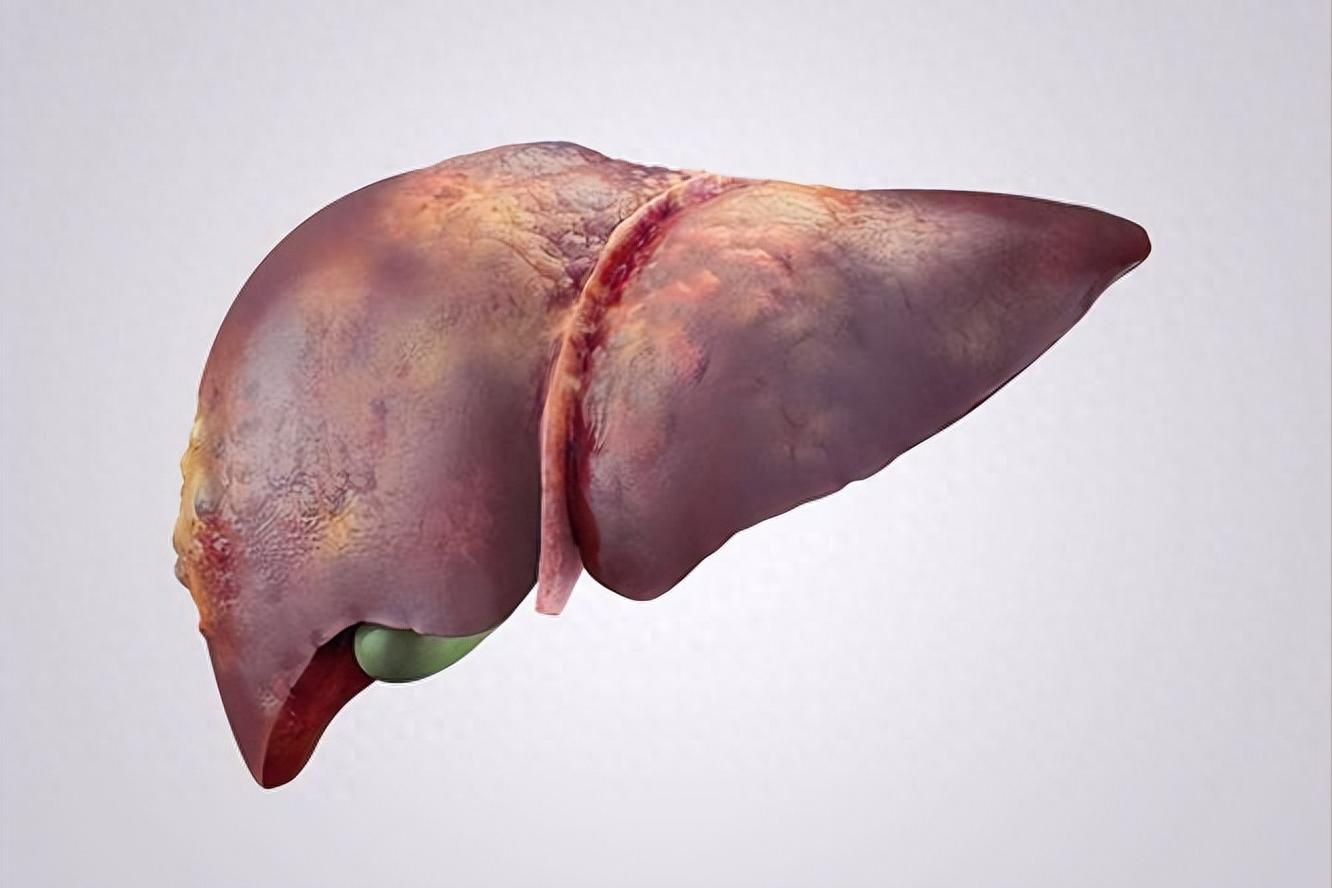
First, let's talk about the first scenario: liver qi stagnation accompanied by damp-heat. Men in this category often experience symptoms like a bitter taste in the mouth, a thick and greasy yellow tongue coating, a constantly damp and uncomfortable feeling in the groin area, or even eczema. This is often linked to habits like frequent alcohol consumption, a diet high in fatty and greasy foods, and prolonged sitting—alcohol is a primary source of damp-heat, rich and sweet foods easily generate phlegm-dampness, and prolonged sitting causes dampness to accumulate in the lower jiao. In such cases, using Xiaoyao pills alone can easily "add fuel to the fire," as its medicinal properties are warm, akin to adding wood to a hot stove. We need to combine it with herbs that "clear heat and reduce fire," such as Longdan Xiegan pills (suitable for those with severe damp-heat and a pronounced bitter taste in the mouth) or Danzhi Xiaoyao pills (for those with milder damp-heat and a tendency toward irritability). These formulas contain herbs like Scutellaria baicalensis and Gardenia jasminoides, which act like opening a window in the body, helping to expel damp-heat through urination.
The second type is liver stagnation characterized by chest tightness. These individuals often experience a distending pain below the ribs, as if there’s a sensation of air moving around. They are quick to anger and frequently feel tightness in the chest. While Xiaoyao Wan contains Bupleurum and Mint, its qi-regulating effect is insufficient—like trying to sweep a large courtyard with a small broom. In this case, it should be paired with Chaihu Shugan Wan, which contains qi-regulating herbs like Tangerine Peel and Cyperus, helping to smooth out the blocked qi, much like oiling a rusty door hinge to make it turn smoothly.
The third type involves liver stagnation that has persisted for a long time, damaging the kidneys. Traditional Chinese medicine states, "The liver and kidneys share the same origin." Prolonged liver stagnation is like a knotted rope—over time, it affects the kidneys. In such cases, men may experience lower back pain, weakness in the legs, low energy during the day, and ringing in the ears. Xiaoyao Wan lacks kidney-tonifying ingredients, so it’s essential to determine whether the condition is kidney yang deficiency or kidney yin deficiency: for those who are cold-intolerant and experience frequent urination, Jingui Shenqi Wan can be used (with ingredients like cinnamon and aconite, acting like a small stove for the body); for those with heat in the palms and soles, and night sweats, Liuwei Dihuang Wan may be suitable (with ingredients like Rehmannia and Cornus, replenishing kidney essence like refilling a dried-up pond).
Finally, to be honest, these combinations are not "universal formulas." For example, individuals with damp-heat constitutions who also have stomach cold (experiencing diarrhea after consuming cold foods) should use Longdan Xiegan Wan with caution. For those with severe qi stagnation accompanied by blood stasis (purple tongue coating), additional blood-activating herbs may be needed. Therefore, it is best to consult a TCM practitioner before taking any medication. They can assess your pulse and examine your tongue coating, much like checking the fault codes before repairing a car—this ensures a targeted and effective treatment.