Yang Qi is the Best Medicine: A Timeless Prescription to Replenish the Body's Yang Energy
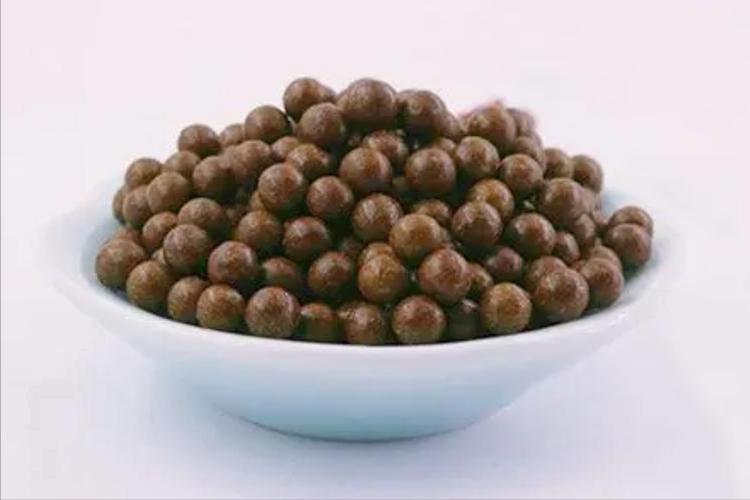
In Traditional Chinese Medicine (TCM), it is often said that “Yang Qi is the foundation of the body.” It acts like the body's "energy" and "heating system," maintaining normal functions such as body temperature, digestion, and physical activity. When Yang Qi is sufficient, a person feels energetic and has strong disease resistance; when Yang Qi is deficient, especially in the spleen and kidneys, a person tends to feel cold, weak, and is prone to various "deficiency-cold" symptoms. Today, let's discuss a classic formula specifically for warming and tonifying Yang Qi to address deficiency-cold — Fuzi Lizhong Wan (derived from Zhang Zhongjing’s "Treatise on Cold Damage").

Who might be suitable for Fuzi Lizhong Wan? Mainly look for these "deficiency-cold" manifestations:
Abdomen sensitive to cold, prone to pain: experiencing discomfort or even dull pain after consuming cold foods (such as fruits, cold drinks) or being exposed to cold; relief may be achieved by applying a hot water bag.
Frequent diarrhea: Loose and unformed stools, especially after consuming cold foods or experiencing morning diarrhea (referred to as "cockcrow diarrhea" in traditional Chinese medicine).
Cold hands and feet that can't get warm: especially in cold weather, hands and feet feel like ice cubes, and no matter how many layers you wear, they never seem to warm up.
Vomiting clear fluid or loss of appetite: feeling cold in the stomach, sometimes nauseous, vomiting some clear, watery fluid, with poor appetite.
Always feeling tired, no energy: Whole body weakness, shortness of breath, too lazy to move.

How does the Fuzi Lizhong Wan address these issues? Let's take a look at its "combination punches":
Aconite (processed): This is the "main general" of the formula. Its medicinal properties are highly pungent and hot, capable of strongly warming kidney yang and spleen yang. Kidney yang is the "root" of the body's yang energy, while spleen yang governs digestion and absorption. Aconite is like adding a fierce flame to the body's weak "furnace," warming the entire body, especially warming the middle burner (spleen and stomach) and lower burner (kidneys).
Dried Ginger: Also a hot medicinal herb, skilled at warming the middle burner and dispelling cold, focusing on warming the spleen and stomach, stopping vomiting, and alleviating pain. Paired with Aconite, the power to warm yang and dispel cold is even stronger.
Dangshen (Codonopsis pilosula): Tonifies qi and strengthens the spleen. Simply warming yang and dispelling cold is not enough; it’s necessary to "give a boost" to the weakened spleen and stomach to restore their ability to transform food and generate qi and blood.
Baizhu (Atractylodes macrocephala): Strengthens the spleen and dries dampness. When yang qi is insufficient, water-dampness tends to accumulate in the spleen and stomach, worsening symptoms such as diarrhea and fullness. Baizhu helps the spleen transport and dry excess water-dampness.
Zhigancao (Honey-fried licorice): Harmonizes the properties of the other herbs and also tonifies the middle jiao and boosts qi, making the entire formula's action gentler and longer-lasting.
Simply put, this formula is: warming yang (aconite and dried ginger) + tonifying qi and strengthening the spleen (dangshen, baizhu, and licorice). The goal is to expel cold from the spleen, stomach, and kidneys, replenish depleted yang qi, and restore the body’s normal "heating" and digestive functions.
Take a real-world example:
Auntie Li, 55 years old, is a retired teacher. She has always been sensitive to the cold since her youth, and it has gotten worse in recent years: she dares not turn on the air conditioning in the summer and wears thicker clothes than others; she is particularly prone to diarrhea, especially right after waking up in the morning or after eating some fruit—she always has to rush to the bathroom, with loose and watery stools; her stomach constantly feels chilly, occasionally with a dull ache, and she needs to apply heat; her hands and feet are cold all year round, she has little appetite, and lacks energy. When she went to see a traditional Chinese medicine practitioner, she stuck out her tongue, which appeared pale in color with a white, moist, and slippery coating. The doctor diagnosed this as a typical case of spleen and stomach deficiency-cold with insufficient kidney yang. She was prescribed Fuzi Lizhong Wan (to be taken according to the doctor’s dosage instructions). After taking it for about two weeks, Auntie Li felt that her stomach was less cold, her episodes of diarrhea were significantly reduced, and her hands and feet started to feel a bit warmer. After persisting with the treatment for some time, her energy improved noticeably.

Important reminder:
Effective Only for the Right Pattern: Fuzi Lizhong Wan is specifically used for deficiency-cold patterns (fear of cold with a preference for warmth, clear and watery diarrhea, pale tongue with white coating). If a person has "excess fire" or "damp-heat" (such as yellow, greasy tongue coating, bitter taste in the mouth, bad breath, constipation with yellow urine, fear of heat), taking it may instead worsen internal heat.
Aconite is Toxic, Processing is Key: Raw aconite in the formula is toxic and must undergo strict, standardized processing (becoming prepared aconite or black aconite slices, etc.) before it can be used medicinally, and the dosage must be controlled. Never use raw aconite casually! Always purchase prepared medicines from 正规的药厂 (formal pharmaceutical factories) or use it within a formula prescribed by a doctor.
Not a Universal Tonic: It primarily warms and supplements the yang qi of the spleen and kidneys to address deficiency-cold issues. If the symptoms are due to yin deficiency (heat in the palms and soles, dry mouth and throat, insomnia with profuse dreaming) or other causes, it is not suitable.
Results Take Time: Regulating yang qi deficiency and cold is a gradual process; it usually requires consistent use over a period of time to see significant improvement.
Seeking a doctor is the safest approach: If you're feeling unwell, especially with long-term chills and diarrhea, it's best to consult a professional TCM practitioner to identify your body constitution and syndrome pattern. This will help determine whether this medication is suitable for you and if it needs to be combined with other treatments.
To summarize: Fuzi Lizhong Wan is a classic TCM formula for warming and tonifying the spleen and kidney yang qi, as well as dispelling internal cold. If you experience long-term chills, cold hands and feet, frequent diarrhea (especially after consuming cold foods), abdominal cold pain, and a pale tongue with white, greasy coating, it might be a suitable option. However, remember: Safety comes first. Always consult a doctor before use, as targeted treatment is key to effectiveness.