Chronic spleen deficiency must first be addressed by tonifying the blood. Drinking one hundred bowls of Sijunzi Decoction is not as effective as this timeless first prescription for blood tonification.
In the clinic, I often encounter patients with long-term spleen deficiency. They have tried various methods to fortify the spleen, such as drinking Sijunzi Decoction, but the results are often unsatisfactory. The patients still feel fatigued, have a pale complexion, and sometimes experience dizziness or darkening of vision when standing up from a squatting position. Why is this?
In Traditional Chinese Medicine, it is said that "the spleen is the source of qi and blood production." When spleen deficiency persists over a long period, its ability to produce qi and blood declines, especially resulting in insufficient blood production. This creates a vicious cycle: spleen deficiency leads to blood deficiency, and blood deficiency, in turn, further weakens the spleen—because the spleen and stomach themselves require adequate blood nourishment to function properly (referred to in TCM as "failure of the spleen to receive nourishment"). Without sufficient qi and blood as "energy" and "raw materials," relying solely on spleen-fortifying herbs like Sijunzi Decoction is akin to trying to drive a car without fuel—the effectiveness is naturally limited.
Therefore, for friends with long-term spleen deficiency who have already developed obvious symptoms of blood deficiency (pale or sallow complexion, fatigue, dizziness, blurred vision, palpitations, pale lips and nails, pale tongue), the key step in regulation is often—to nourish the blood first.
At this point, Traditional Chinese Medicine often starts with a foundational formula: Si Wu Tang (Four Substances Decoction, consisting of Prepared Rehmannia Root, Chinese Angelica Root, White Peony Root, and Chuanxiong Rhizome). Its core function is to nourish and replenish the blood. The first step is to replenish the body's depleted "blood reservoir," ensuring that all internal organs (especially the spleen and stomach) receive sufficient nourishment from the blood and restore their basic functions. This is akin to filling up the "car" with fuel first.
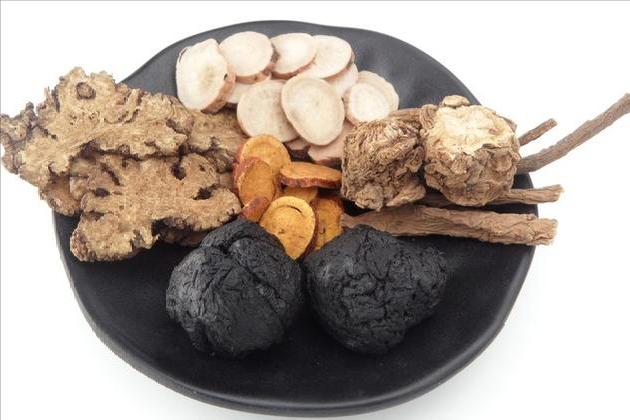
After the state of blood deficiency improves, and the spleen and stomach gain a foundational "driving force," formulas like Gui Pi Tang can then be incorporated. This type of formula not only strengthens the spleen and replenishes qi but also nourishes the heart and calms the mind, while promoting the generation and circulation of qi and blood. This helps restore the spleen's transportation and transformation functions at the root, breaking that vicious cycle.
Let me give an example from an outpatient clinic: Ms. Wang, a 38-year-old office worker. She had experienced poor spleen and stomach function for five or six years, often experiencing bloating after meals, loose stools, constant fatigue, a sallow complexion, and lack of color in her face. Over the past six months, she noticed that standing up after squatting for a while would cause dizziness and blurred vision, her hair loss increased, and her menstrual flow decreased. Her tongue was very pale with a thin white coating. This is a typical case of long-term spleen deficiency leading to dual deficiency of qi and blood (with a bias toward blood deficiency). Treatment began with a formula based on Si Wu Tang, focusing on nourishing the blood. After about three weeks of regulation, she reported significant improvement in dizziness and blurred vision, and her complexion started showing a hint of rosiness. Subsequently, spleen-strengthening and qi-replenishing ingredients (similar to the approach of Gui Pi Tang) were gradually added to the formula. After persisting with the treatment for another month or so, she felt her bloating had reduced, her energy had improved, and her stools had gradually formed properly.
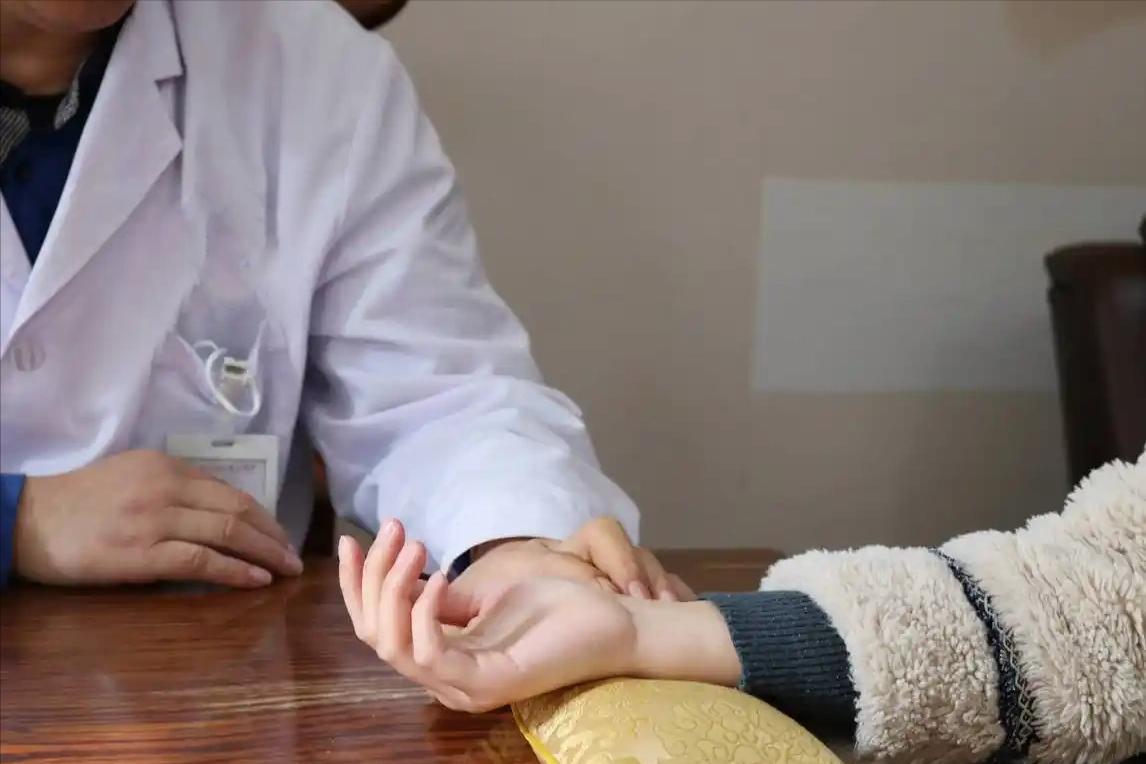
Finally, a reminder: TCM treatment emphasizes syndrome differentiation. Even among those with spleen deficiency, some may have a tendency towards qi deficiency, some towards blood deficiency, some may have dampness, and some may have heat. Siwu Tang tends to be warm and tonifying, so for those with damp-heat, or those who are prone to internal heat, or have a yellow and greasy tongue coating, it may not be suitable to use it directly. Be sure to consult a professional TCM practitioner to accurately identify your constitution and syndrome pattern, so that medication can be precisely targeted and avoid detours.