Baohe Pills treats foul-smelling gas, Muxiang Shunqi Pills treats successive gas, Jianpi Pills treats stagnant gas
While passing gas is a normal physiological phenomenon, if it becomes particularly frequent or is accompanied by discomfort, it may be a signal from your body. In clinical practice, based on the characteristics of "gas" and accompanying symptoms, combined with Traditional Chinese Medicine theory, we often uncover underlying spleen and stomach issues, and the treatment approach also differs.
Situation One: Particularly foul-smelling gas, accompanied by abdominal bloating, bitter taste in the mouth, and bad breath
Characteristics: Farts with a strong, unpleasant odor, akin to the sour, rotten smell of spoiled food. This is often accompanied by a feeling of bloating and dull abdominal pain, a bitter taste or bad breath, and poor appetite.
Traditional Chinese Medicine perspective: This is often due to irregular diet and impaired transportation and transformation by the spleen and stomach. Food eaten accumulates in the stomach and intestines (known as "food stagnation" in TCM), much like a pile of stuff that ferments and turns foul when left too long, producing turbid qi and damp-heat. Examination of the tongue often reveals a thick, greasy coating.
Management approach: The focus is on promoting digestion and relieving stagnation, clearing the accumulation and damp-heat from the stomach and intestines. A commonly used Chinese patent medicine is Baohe Wan (Digestive Pill), which helps digest the accumulated food and clear damp-heat. By addressing the root cause, both the foul odor and bloating naturally improve.
Example: Xiao Zhao, a 28-year-old salesperson with frequent business engagements. After several consecutive days of indulging in rich, greasy food, he began experiencing smelly farts, severe abdominal bloating, and intense bitter taste in the mouth upon waking, along with a thick, yellow, greasy tongue coating. He was advised to temporarily avoid oily foods and took Baohe Wan for a few days. After three days, he reported significant improvement in bloating and bitter taste, and his farts were much less smelly.
Scenario Two: Frequent flatulence, occurring one after another, especially when emotions are unsettled
Characteristics: Excessive flatulence, with one episode following another in an unending sequence ("chain flatulence"). There is a persistent sensation of gas moving chaotically within the abdomen, causing significant discomfort and bloating. Symptoms are notably worse during times of emotional distress, tension, or anxiety, and may be accompanied by belching, chest tightness, and distension in the flanks (both sides of the ribcage).
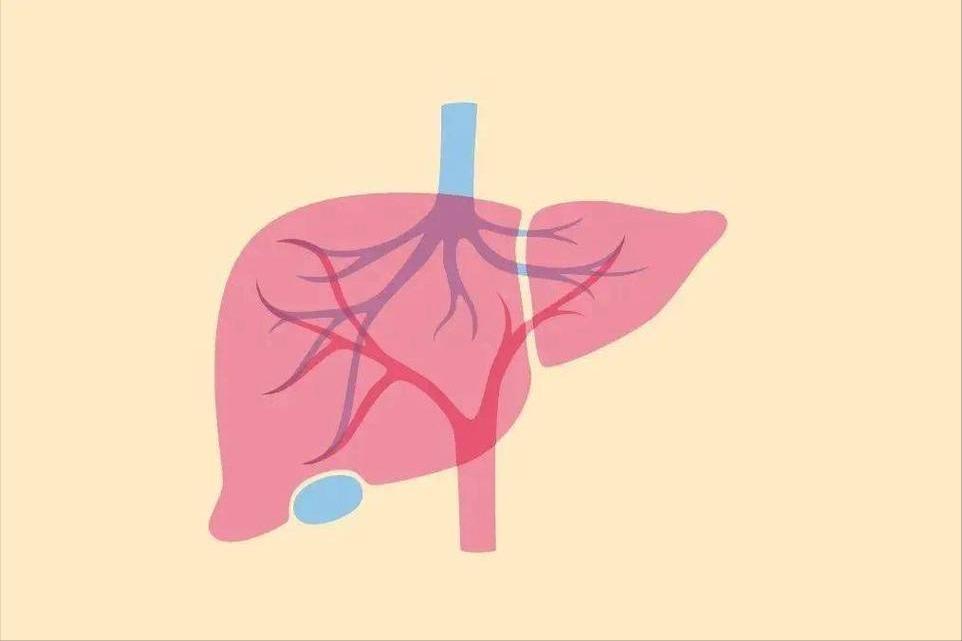
Traditional Chinese Medicine (TCM) Perspective: This condition is primarily attributed to liver qi stagnation, which impairs the smooth flow of qi in the spleen and stomach (known in TCM as "liver qi invading the spleen" or "liver depression and qi stagnation"). The liver governs the free flow of qi throughout the body. When liver qi becomes stagnant or constrained, the qi of the spleen and stomach also becomes obstructed. This chaotic movement of trapped qi manifests as frequent flatulence.
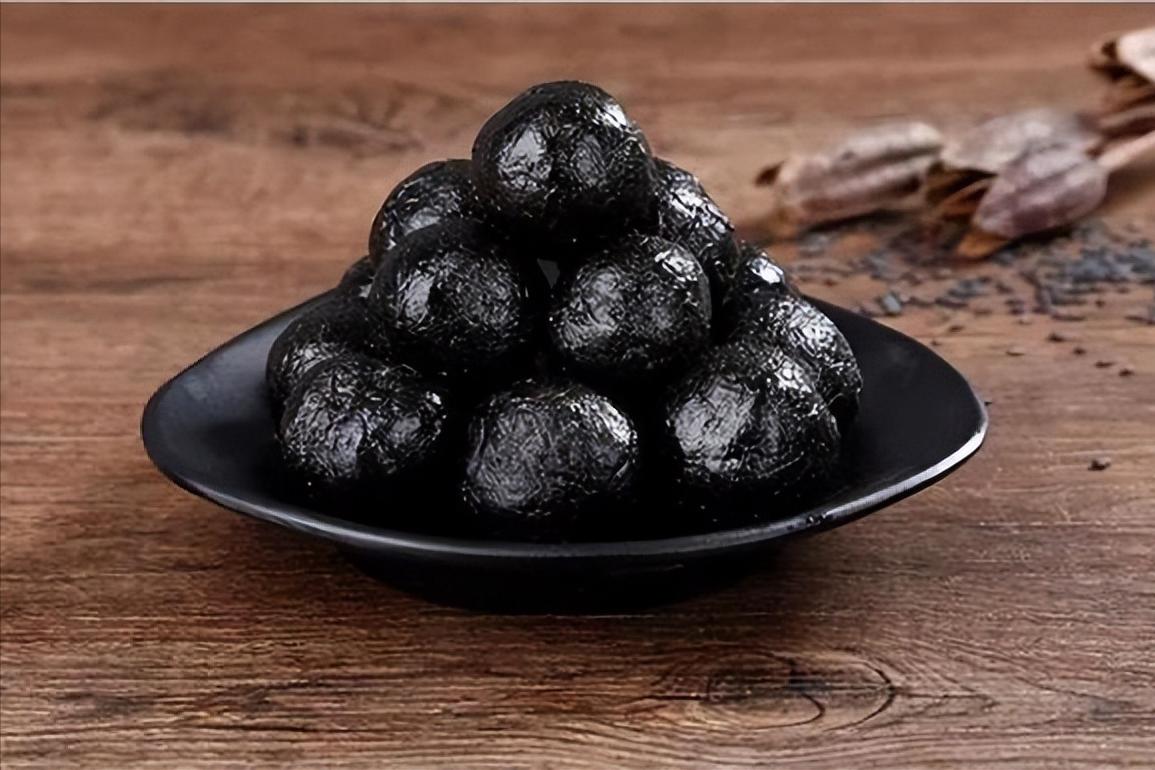
Approach to Regulation: The key is to soothe the liver and regulate qi, promoting the free flow of the stagnated qi dynamics. A commonly used Chinese patent medicine for this purpose is Muxiang Shunqi Wan (Aucklandia and Cyperus Pill for Regulating Qi). It works to rectify the stagnant liver qi and harmonize the qi dynamics of the spleen and stomach. Once the qi flows smoothly, symptoms like bloating and frequent flatulence can be alleviated.
For example: Ms. Li, a 35-year-old accountant under significant work stress. For the past few months, she has been prone to frequent flatulence, especially when working overtime and feeling irritable at the end of the month, accompanied by stomach rumbling, bloating, and cramping. Her tongue coating is thin and white, and her pulse is slightly wiry. She was advised to manage her emotions and take Muxiang Shunqi Wan for one week. After a week, she reported a significant reduction in bloating, noticeably fewer episodes of flatulence, and an overall sense of improved well-being.
Situation 3: The urge to pass gas but inability to do so, feeling blocked in the abdomen
Characteristics: Feeling bloated with the urge to pass gas but unable to do so, or only releasing a small amount without relief ("trapped flatulence"). Often accompanied by general fatigue, poor appetite, and possibly difficulty with bowel movements or loose stools.
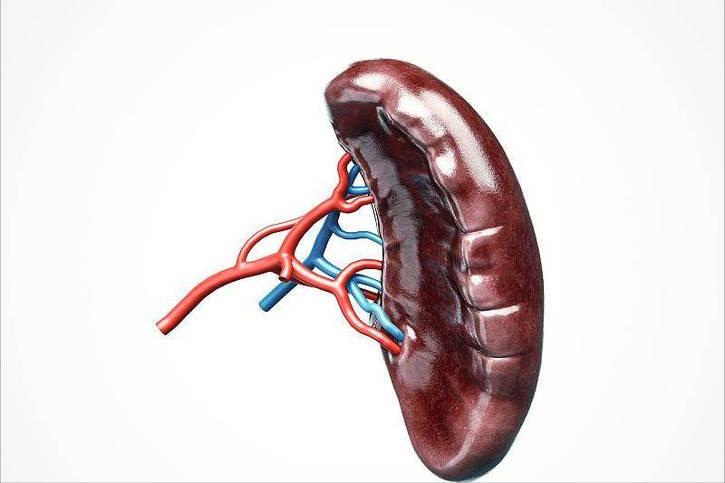
How TCM sees it: This is typical spleen-stomach qi deficiency with insufficient driving force. When spleen-stomach qi is deficient, it's like not having enough strength to push things, so even the turbid qi in the intestines can't be driven out and expelled. It gets stuck in the abdomen, causing bloating and discomfort. Look at the tongue—the tongue body tends to be pale.
Treatment Approach: The key is to nourish the spleen and stomach qi, enhancing their transportation and propulsion functions. Commonly used patent Chinese medicines, such as Jianpi Pills, can help restore the "strength" of the spleen and stomach, enabling them to properly digest what needs to be digested and expel what needs to be expelled (including turbid gas).
For example: Mr. Sun, 68 years old and retired. He often feels bloated in his abdomen, unable to pass gas, has a poor appetite, lacks energy, and experiences loose stools intermittently. His tongue is pale with a thin, white coating. He was prescribed Jianpi Pills and advised to eat easily digestible foods. After two weeks of consistent use, he felt reduced abdominal bloating, smoother passage of gas, and improved appetite and energy.
Final Reminder:
Accurate diagnosis is key: The three situations mentioned above correspond to different causes and treatments. Using the wrong remedy may yield no results or even cause discomfort. For instance, if someone with liver stagnation and qi stagnation causing frequent gas uses Jianpi Pills, which tonify qi, the bloating may worsen.
Diet and emotions are important: Regardless of the situation, it is essential to maintain a regular, light, and easily digestible diet, avoiding overeating, raw, cold, or greasy foods. Additionally, managing emotions and stress is crucial, especially for the second situation.
Severe or persistent symptoms require medical attention: If symptoms such as abdominal bloating and excessive flatulence are severe, persist for a long time without improvement, or are accompanied by weight loss, bloody stools, severe abdominal pain, etc., prompt medical consultation is essential to rule out other organic issues.