Eating but not passing stool indicates stomach heat, eating and immediately passing stool indicates spleen deficiency, continuous flatulence indicates liver stagnation—remember these three conditions and corresponding medicines.
Indigestion is very common, but its manifestations vary: some people experience constipation, some are prone to diarrhea, and others often feel bloated and pass gas frequently. In traditional Chinese medicine, these symptoms may correspond to different internal organ issues, and the methods of regulation differ accordingly. In my clinical practice, I often recommend practical and cost-effective Chinese patent medicines based on specific conditions.
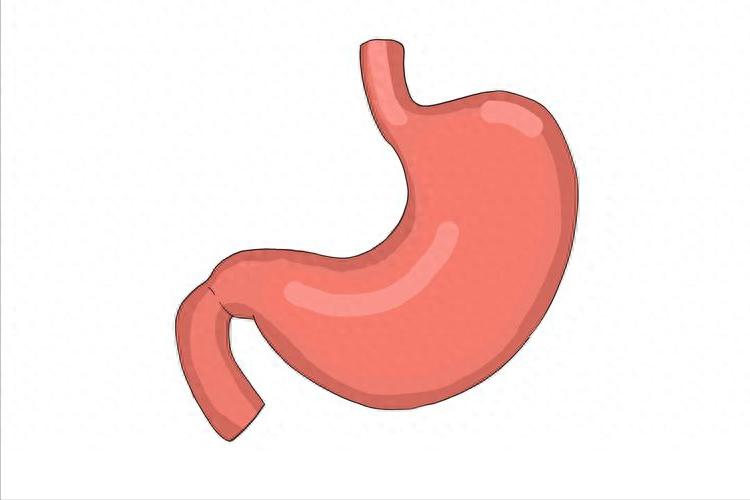
Situation One: Constipation, easily feeling hungry, craving cold water (stomach heat and intestinal dryness)
Typical manifestations: dry, hard stools that are difficult to pass, occurring once every few days; accompanied by a frequent sensation of hunger and a preference for cold foods and drinks; may be accompanied by bad breath, dry mouth, and swollen, painful gums.
Traditional Chinese Medicine perspective: This is often due to excessive stomach fire scorching the intestinal fluids. In TCM, it is said that "the large intestine governs fluids." When these fluids (intestinal lubricants) are depleted by stomach fire, the intestines become dry, leading to difficulty in passing stools. Excessive stomach fire also causes rapid digestion and frequent hunger.
Treatment approach: Clear and purge stomach fire, and moisten the intestines to promote bowel movements. Commonly used Chinese patent medicines include Niuhuang Qingwei Wan (or Huanglian Shangqing Wan, etc.), which helps clear stomach fire, moisten the intestines, and improve constipation and stomach heat symptoms.
Example: Xiao Zhang, 25 years old, loves eating grilled and hotpot foods. Recently, he experienced severe constipation with stools resembling goat pellets, occurring every 3-4 days, along with constant hunger and noticeable bad breath. His tongue was red with a yellow coating. He was advised to adjust his diet to lighter, less greasy foods and took Niuhuang Qingwei Wan for a few days. After several days, he reported smoother bowel movements and reduced bad breath.
Scenario 2: Loose, Soft Stools, Prone to Diarrhea (Spleen Deficiency with Dampness Accumulation)
Typical manifestations: Unformed stools, loose or even watery; diarrhea more likely after consuming cold or greasy foods; often experiencing dull abdominal distention, fatigue, and low energy; may feel the urge to use the bathroom right after eating.
TCM perspective: This is caused by spleen qi deficiency, impairing the body's ability to transform and transport dampness. The spleen is responsible for transforming food into nutrients (qi, blood, and body fluids) and transporting excess fluids out of the body. When the spleen is deficient, dampness cannot be properly expelled and stagnates in the intestines, leading to loose stools and frequent bowel movements.
Regulation approach: The goal is to tonify the spleen, boost qi, resolve dampness, and stop diarrhea. Commonly used Chinese patent medicines include Shen Ling Bai Zhu San (Powder/Pills), which helps restore the spleen's transportation and transformation function, dispels dampness, and helps form normal stools.
For example: Aunt Wang, 58 years old, usually has a weak constitution. For the past six months, she often hears rumbling in her stomach shortly after eating, followed by the need to rush to the bathroom, with loose, soft, and poorly formed stools. Her appetite is average, and she always feels tired. Her tongue is pale, swollen, and has tooth marks. She was advised to keep her abdomen warm, eat fewer raw and cold foods, and take part in the use of Shenling Baizhu Wan. After persisting for two weeks, she felt that the frequency of diarrhea decreased, her stools began to form, and her energy improved slightly.
Situation three: Abdominal bloating and frequent flatulence (liver qi stagnation)
Typical manifestations: Feeling gas moving around in the abdomen, causing discomfort and bloating, with frequent flatulence (sometimes loud); often worsens after emotional distress (anger, anxiety, tension) or staying up late; may be accompanied by belching, chest tightness, and distending pain in both sides of the ribs.
Traditional Chinese Medicine Perspective: This is primarily due to liver qi stagnation, which transversely attacks the spleen (stomach). The liver is responsible for the smooth flow of qi throughout the body. Emotional stress and irregular lifestyle habits can lead to stagnation of liver qi. When liver qi is not flowing smoothly, it can "bully" the spleen and stomach, affecting the ascending and descending functions of spleen-stomach qi, resulting in qi stagnation in the gastrointestinal tract, which leads to bloating and frequent flatulence.
Treatment Approach: The strategy requires soothing the liver to regulate qi and harmonizing the spleen and stomach. Commonly used patent Chinese medicines include Chaihu Shugan Wan (or Muxiang Shunqi Wan), which can help to disperse stagnant liver qi, regulate the qi dynamics of the spleen and stomach, and alleviate bloating and excessive flatulence.
For example: Mr. Chen, 40 years old, a project manager under high work stress. In recent months, he has been frequently experiencing abdominal bloating, especially in the afternoons and during tense meetings, accompanied by excessive flatulence and frequent belching. His tongue coating is thin and white. He was advised to try to manage his stress, ensure adequate sleep, and take Chaihu Shugan Wan as a supplement. One week later, he reported a significant reduction in bloating and fewer instances of flatulence.

Final Important Reminder:
Accurate syndrome differentiation is the core: The three situations mentioned above are common types, but each individual’s constitution and specific manifestations may be more complex. For example, constipation may also be due to insufficient qi to promote bowel movements (requiring tonification of qi) or yin deficiency with intestinal dryness (requiring nourishing yin and moistening the intestines). Diarrhea may also result from kidney yang deficiency (requiring warming the kidneys) or damp-heat in the intestines (requiring clearing heat and promoting diuresis). It is essential to accurately identify one’s own syndrome type before taking medication; otherwise, it may be ineffective or even worsen the condition. For instance, if diarrhea is mistakenly caused by spleen deficiency but a medication for clearing stomach fire, such as Niuhuang Qingwei Pills, is used, it will further damage the spleen and stomach.
Chinese patent medicine serves as an adjuvant treatment: These drugs are primarily used to manage common, mild cases of functional dyspepsia. If symptoms are severe, recurrent, and accompanied by weight loss, bloody stools, severe abdominal pain, etc., it is essential to seek medical attention promptly to determine the underlying cause.
Foundation of regulation: Regardless of the condition, maintaining regular eating habits (light, easily digestible meals at 70-80% fullness), keeping a cheerful mood, avoiding staying up late and overexertion, and engaging in moderate activity are the fundamental principles for improving digestive function—more important than relying solely on medication.