Excessive sweating of the head? This prescription clears heat and drains dampness, specifically treating head sweating.
In my usual clinical practice, I often encounter patients with this issue: they sweat profusely, especially on the head. Eating a meal can make it seem like they just washed their hair. From the perspective of Traditional Chinese Medicine (TCM), excessive head sweating is commonly caused by two factors: one is spleen-stomach qi deficiency, which fails to secure the pores and contain sweat; the other, which we will focus on today, is damp-heat steaming upward.
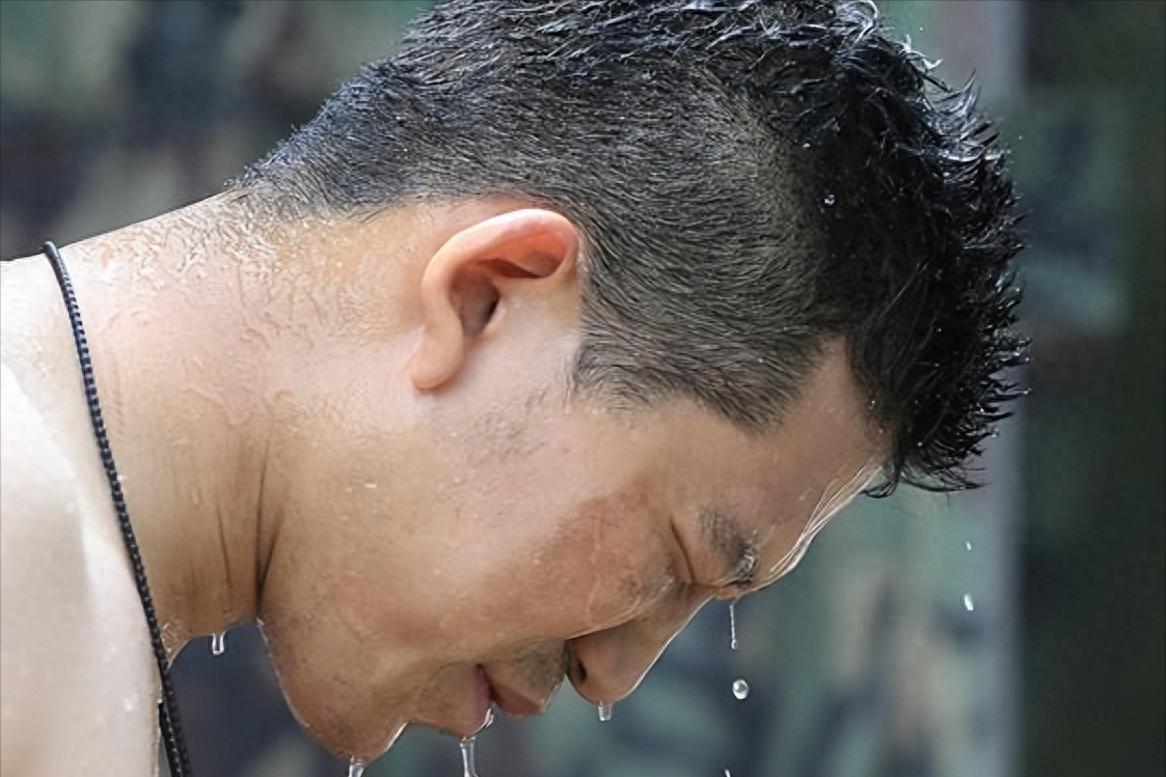
How can you determine if damp-heat is the culprit? Patients with this condition typically have sweat with a very distinct characteristic: it is noticeably sticky, and the sweat stains often appear yellowish. They usually have oily skin on the face and scalp, a shiny complexion, a somewhat sallow or yellowish skin tone, enlarged pores, and more blackheads around the nasal wings. What is the underlying TCM principle here? Simply put, there is excessive "dampness" in the body that cannot be discharged. Over time, this dampness becomes trapped and generates "heat." TCM holds that "heat rises." This damp-heat qi steams upward, making the head and face primary areas of affliction. Excessive sweating then becomes the body's effort to "disperse heat."
Real-life case: Last month, Mr. Zhang came in, a man in his early 40s with a slightly overweight build. His biggest concern was his excessively heavy sweating on the head, especially after eating or light activity—sweat beads would trickle down his face, and the sweat felt sticky. His light-colored shirts always had yellowish collars. He mentioned feeling a heavy sensation in his head and body, discomfort and tightness in the chest area, and dark yellow urine. Upon examining his tongue, the coating was thick and greasy. This is a typical case of excessive sweating on the head caused by damp-heat steaming upward.
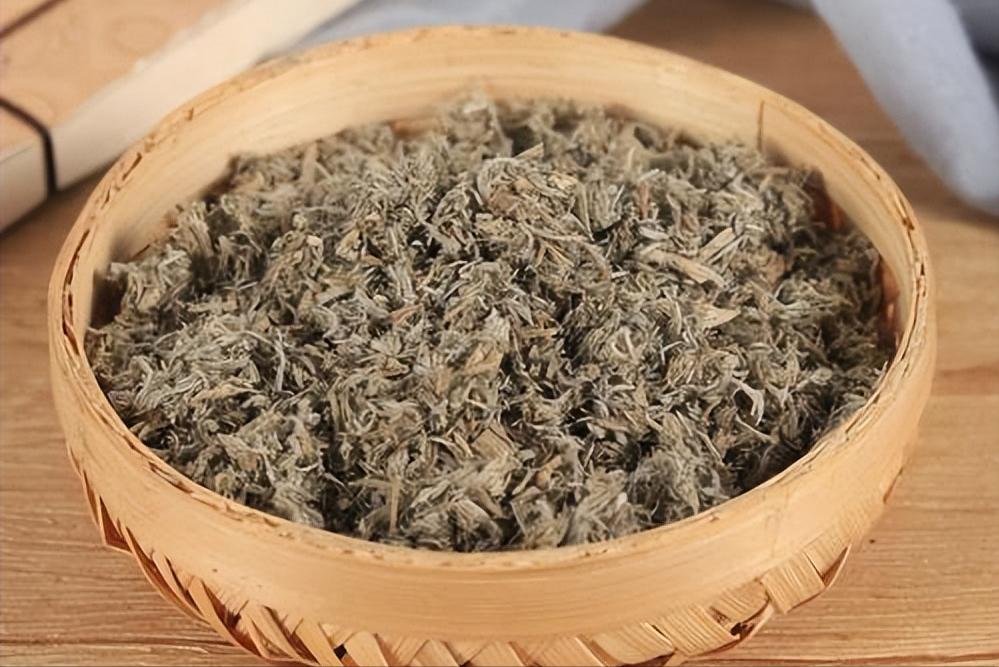
To address this type of head sweating caused by damp-heat, the approach is clear: on one hand, clear the heat, and on the other, expel the dampness. In clinical practice, we often refer to a classic formula from the medical sage Zhang Zhongjing—Yinchen Wuling San (Artemisia Scoparia and Poria Five Herb Powder)—and make adjustments based on each individual's specific condition.
How does this formula work?
Leading the charge to clear damp-heat: Yinchen (Artemisia Scoparia). This medicinal herb has a slightly bitter taste and a cool nature, capable of deeply clearing heat accumulated in the spleen, stomach, liver, and gallbladder. Once the heat is cleared, it no longer steams the dampness upward to the head and face, reducing the driving force behind "sweating" at its source. At the same time, Yinchen also has a pungent aroma that helps restore the function of the spleen and stomach. When the spleen and stomach are functioning well, the body's ability to process dampness naturally improves.
Primary forces for expelling dampness: Polyporus, Poria, and Alisma. These three herbs are masters at "draining water." When combined, they act like opening a sluice gate, rapidly expelling accumulated excess water-dampness and turbid substances from the body through urination.
Stabilizing the home front: Atractylodes. While dispelling dampness, we must not damage the body's righteous qi. Atractylodes serves to supplement qi and fortify the spleen, enhancing the capacity of the spleen and stomach, the core engine for "transforming and transporting water-dampness."
Skillful assist to clear the pathway: Cinnamon Twig. It has a gentle nature. On one hand, it warms and unblocks yang qi, propelling water-dampness to be expelled through urination. On the other hand, it can also mildly disperse the exterior, helping to dissipate damp-heat pathogens that are stagnating in the skin and pores.
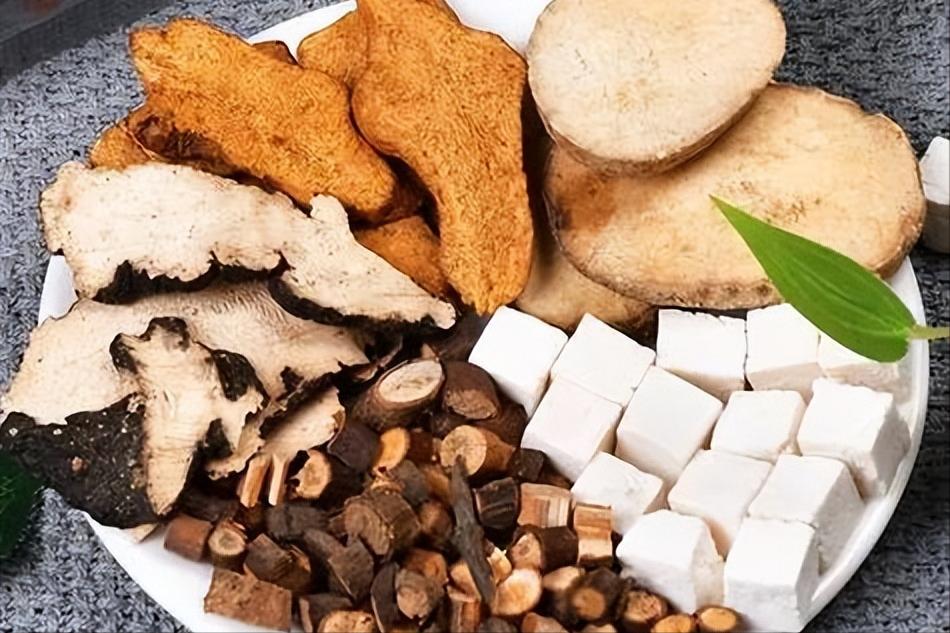
The entire formula works in concert, clearing heat, dispelling dampness, fortifying the spleen, and unblocking the water passages, covering all bases. It is particularly suitable for those with profuse, sticky, yellowish-colored head sweating, accompanied by sensations of heavy-headedness, bodily fatigue, chest tightness and distension, scanty and yellow urine, and a thick, greasy tongue coating.