A Hundred Liver-Soothing Sessions Are Not as Good as One Session of Heart Yang Supplementation: A Classic Prescription that Greatly Replenishes Primordial Qi
The other day, an elderly patient came to see me and sighed as soon as he walked in: "Dr. Wang, my old problem of liver stagnation has flared up again. I've been taking Chaihu Shugan San for two months and even switched to Xiaoyao San, but why hasn’t it worked at all? Old man Li next door took the same medicine and recovered in about half a month."

This matter has to be understood from the perspective of TCM's "holistic view." Many people think the liver is only responsible for regulating emotions, but in reality, the liver acts like a "qi and blood porter" in our body—it can’t handle this heavy task alone. Think about it: in the middle of winter, if you only pay the porter but don’t give him a warm coat, can he still move things? This "warm coat" is what we call heart yang.
The *Huangdi Neijing* states, "The heart governs the blood vessels." Heart yang is like a little sun inside the body, warming qi and blood so they can flow smoothly. If heart yang is insufficient, qi and blood are like a frozen river. In such a situation, what’s the use of merely dredging the river (regulating the liver)? You need to first raise the sun (tonify heart yang), and the river will naturally thaw and flow again.
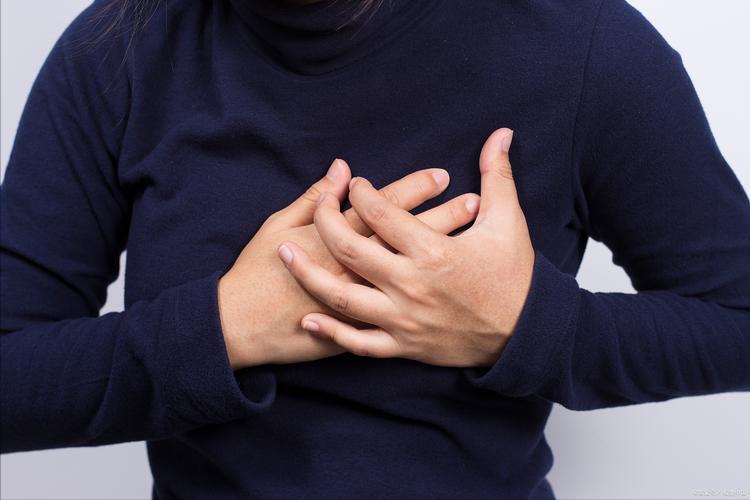
I’ve seen many patients like this: they clearly exhibit symptoms of liver stagnation—tightness in the chest, distending pain in the ribs, and a frequent desire to sigh—but at the same time, their hands and feet are ice-cold, they feel flustered with the slightest movement, their face is pale as paper, and they appear listless all day long. This is actually the body sounding an alarm: heart yang is insufficient!
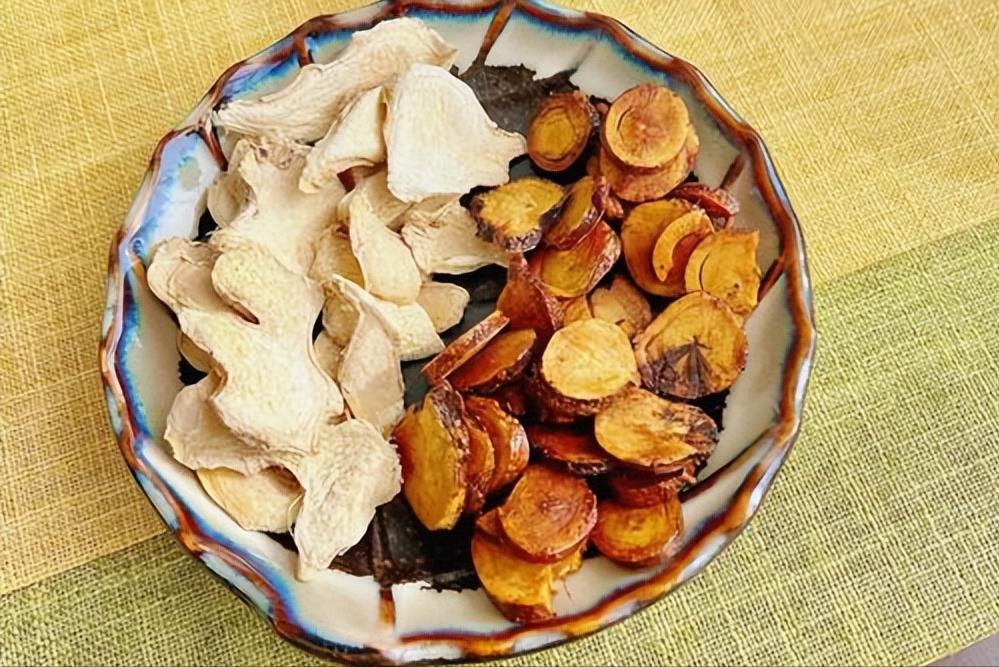
So what should be done at this point? Let me share a formula I often use: based on Xiaoyao Powder, increase licorice root to 15 grams and add 6 grams of dried ginger. Don’t underestimate these two herbs—licorice root is classified as a superior-grade herb in the *Shennong Ben Cao Jing*, noted for its ability to "warm the middle jiao," while dried ginger is an "old-timer" in warming yang energy. Together, they act like a small stove that kindles heart yang.
Each of the other herbs in the formula has its own role: bupleurum is responsible for dispersing stagnant qi, while angelica root and peony root replenish moisture to the dried-out blood vessels. Atractylodes rhizome and poria act like cleaners, tidying up the "qi and blood processing plant" of the spleen and stomach. Combined this way, the formula not only clears the flow of qi and blood but also raises the sun of heart yang, naturally revitalizing qi and blood.
However, I must remind you that traditional Chinese medicine emphasizes "tailored prescriptions for each individual." If you have similar symptoms, it’s best to consult a TCM doctor for pulse diagnosis to determine whether it’s purely liver qi stagnation or if heart yang deficiency is also involved. Just like fixing a water pipe, you need to first figure out whether it’s clogged or frozen before applying the right solution, right?