Can You Tell If You're Yang Deficient, Yin Deficient, or Damp-Heat by Observing Sweat?
The old saying goes, "Sweating eliminates toxins," but did you know? Different "patterns" of sweating reflect different physical issues! In Traditional Chinese Medicine, sweat is transformed from body fluids, and abnormal sweating is often a sign of imbalance in the body's yin and yang, qi and blood, or organ function. Today, let's talk about three common types of abnormal sweating: yang deficiency, yin deficiency, and damp-heat. See which one applies to you.
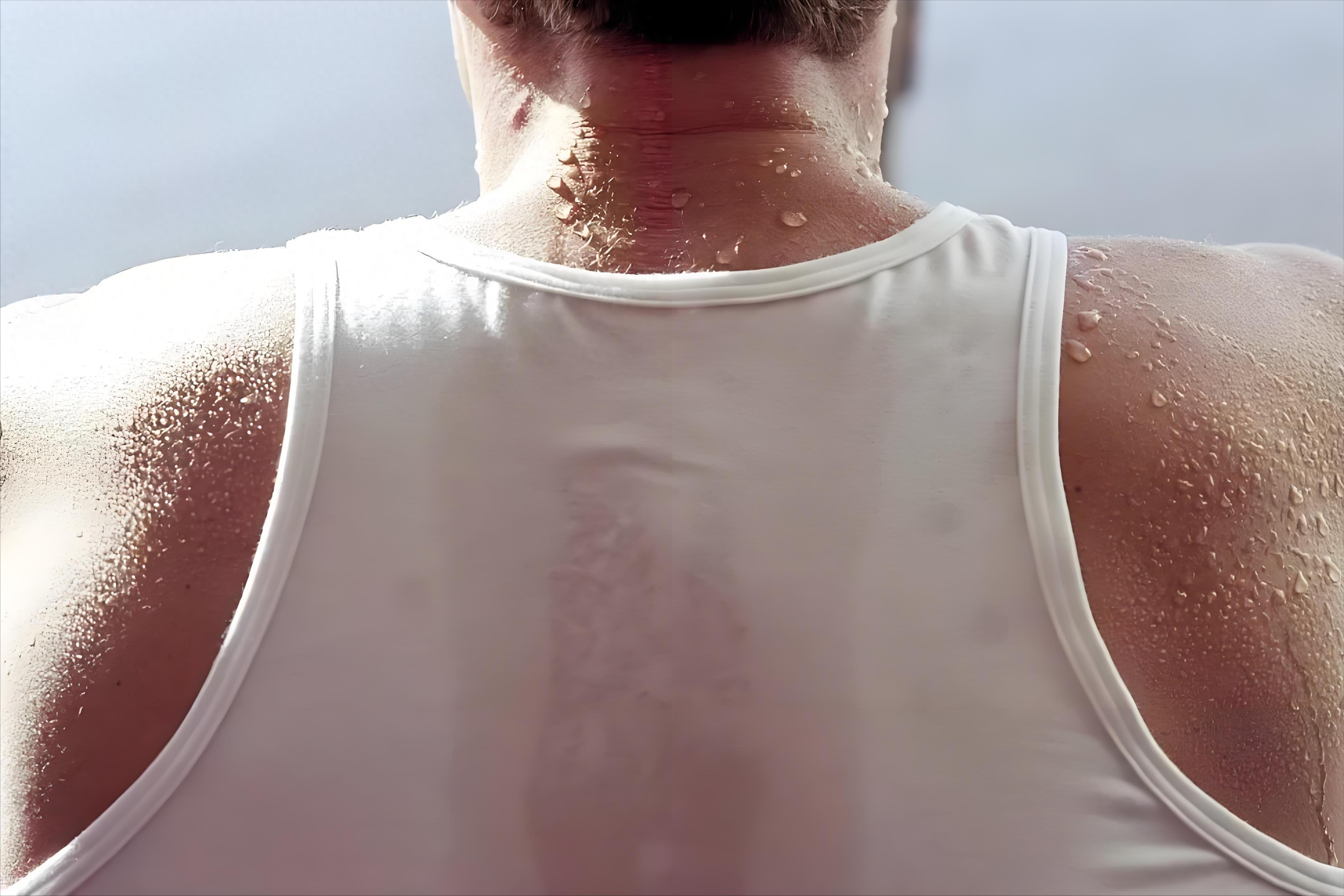
1. Yang Deficiency-Type Sweating: Profuse, clear, and cold sweat, accompanied by chills and fatigue.
Characteristics: Sweating easily during the day, particularly noticeable on the chest and back. The sweat feels thin and watery, not sticky at all, and the skin in the sweaty areas feels cool, as if cold air is seeping in. Usually, the person is particularly afraid of the cold, lacks energy, gets tired easily, and has frequent nighttime urination (with clear urine).
Why is this? This is mainly due to deficiency of yang energy. Yang energy is like the body's "heater" and "guardian." When it is insufficient, on one hand, it cannot warm the body adequately, making the person feel cold. On the other hand, it fails to secure the pores and body fluids properly, as if the "door" isn't tightly shut, causing sweat to flow out uncontrollably. Energy (qi) is also lost along with the sweat (qi escaping with the fluids), which is why the person feels particularly drained and lacking in vitality.
Regulation approach: The core is to warm and tonify yang energy and secure the exterior to stop sweating. Traditional Chinese Medicine often uses Fuzi Lizhong Wan (to warm and tonify spleen and kidney yang) combined with Yupingfeng San (to boost qi and secure the exterior, acting like adding a protective shield to the body) for regulation.
2. Sweating due to yin deficiency: "Stealthy" sweating at night during sleep, with heat in the palms, soles, and chest, and a dry mouth.
Characteristics: Little sweating during the day, but profuse sweating as soon as one falls asleep at night (known as "night sweats" in Traditional Chinese Medicine), which stops upon waking. During sweating or at other times, there is a sensation of heat in the palms and soles (five-center heat), accompanied by restlessness, dry mouth, and thirst.
Why is this? This is due to a deficiency of Yin fluids. Yin can be likened to the body's "cool, boiled water" and "lubricant." When it is insufficient, the body becomes relatively "dry and hot" (internal deficiency heat). This deficiency heat is more likely to force body fluids to stealthily escape through the pores during sleep at night (when the defensive Qi enters the interior), resulting in night sweats. Deficiency heat disturbing the heart leads to restlessness, while failure of fluids to ascend leads to a dry mouth.
Approach to Regulation: The key lies in nourishing Yin fluids and clearing deficiency heat. The classic formula Liuwei Dihuang Wan is a representative prescription specifically for nourishing kidney Yin and clearing deficiency heat.
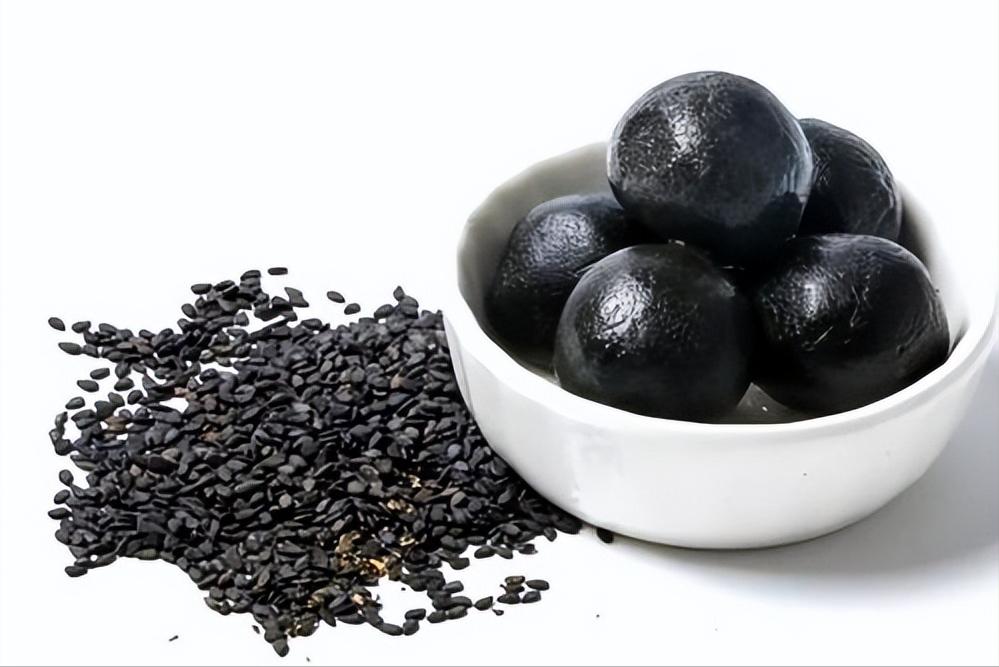
3. Damp-Heat Type Sweating: Sweat is yellow, sticky, and odorous, primarily affecting the head, neck, and armpits.
Characteristics: The sweat tends to be yellowish in color, feels sticky to the touch, and may even emit an odor. Sweating is predominantly concentrated on the face, head, neck, and armpits. It is often accompanied by a bitter taste in the mouth, dry mouth without a strong desire to drink water, bad breath, and sticky, uncomfortable bowel movements (difficult to flush away). Upon examination, the tongue coating appears yellow, thick, and greasy.
Why is this? The root cause lies in damp-heat in the spleen and stomach or liver and gallbladder. When dampness and heat combine, it’s like a simmering "turbid damp-heat" in the body. The heat pathogen forces fluids to overflow, while the dampness pathogen makes the sweat sticky, yellowish, and odorous. Damp-heat rising to the head and face leads to excessive sweating in these areas, and its impact on digestion results in a bitter taste, bad breath, and sticky stools.
Management approach: It is necessary to clear damp-heat from the liver and gallbladder or spleen and stomach, allowing the damp-heat pathogen an outlet. Formulas like Longdan Xiegan Wan are highly effective in clearing excess fire from the liver and gallbladder and promoting the elimination of damp-heat.
Real-life case: Mr. Wang’s predicament
Teacher Wang, 40 years old, is usually busy with work and has a relatively weak constitution. In the past six months, he has noticed that he sweats very easily, especially when teaching or engaging in light activities. His chest and back become soaked as if washed with water—the sweat is clear and profuse, leaving his clothes drenched and clinging to his body with a chilly sensation. What troubles him even more is having to get up two or three times at night to urinate, feeling lethargic during the day, constantly feeling cold, and even avoiding air conditioning in the summer. Recalling concepts from Traditional Chinese Medicine, he suspected he might be experiencing "Yang Deficiency." Later, after consulting a TCM practitioner, he was indeed diagnosed with "Insufficient Defensive Yang, Spleen and Kidney Yang Deficiency." Following a period of treatment (primarily focused on warming Yang, replenishing Qi, and consolidating the exterior to stop sweating), Teacher Wang's daytime profuse sweating significantly improved. Issues such as feeling cold and frequent nighttime urination also lessened considerably, and his energy levels noticeably increased.
To summarize:
Excessive cold sweats, chills, and fatigue? Consider whether it might be yang deficiency.
Night sweats with feverish palms and soles? It could be due to yin deficiency.
Yellow, sticky, foul-smelling sweat, especially on the head and neck? Be cautious of damp-heat accumulation.
Important Reminder: The above content is intended only for understanding traditional Chinese medicine concepts and preliminary self-observation. Each individual’s constitution and specific circumstances vary greatly, and abnormal sweating may also be caused by other factors (such as certain medical conditions). If sweating issues are severely troubling you or are accompanied by other significant discomforts, it is strongly recommended to promptly consult a professional TCM practitioner or physician for personalized diagnosis and treatment. Do not self-medicate blindly. TCM treatment emphasizes tailoring the approach to the specific condition for better outcomes.