Cramps, frequent dreaming, blurry vision—just remember Rehmannia Pills.
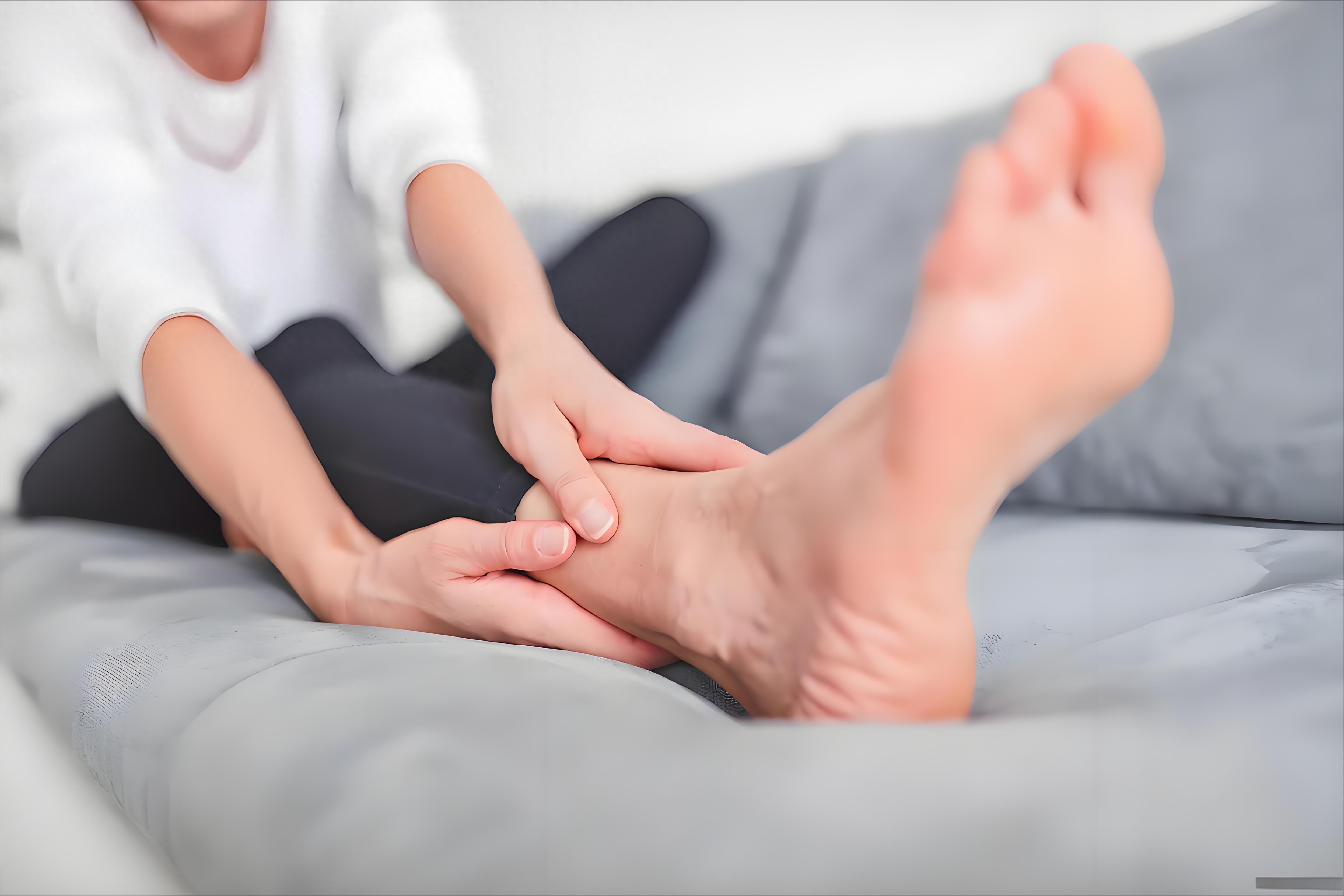
Recently, many friends have complained to me: while sleeping soundly at night, their calves suddenly cramp, jolting them awake in pain; after looking at their phones or computers for a while during the day, their eyes feel dry and foggy, as if covered by a film; and after finally falling asleep at night, they dream excessively, waking up in the morning more tired than before they slept. If you also experience these troubles, don't just complain—this might be a reminder that your liver blood is insufficient!
Why do I say that? Traditional Chinese Medicine has its own unique perspective on the body:
Dry, foggy eyes that tear up in the wind? Traditional Chinese Medicine teaches that "the liver opens into the eyes." Our vision and eye comfort depend entirely on the nourishment of liver blood. When liver blood is insufficient, the eyes are like flowers without water—naturally dry, blurry, and prone to tearing when stimulated by even a little wind.
Cramping in the legs and feet or numbness in the hands and feet during the night? This is related to the nourishment of our tendons and bones. TCM believes that "the liver governs the tendons" and "the kidneys govern the bones." The movement of tendons and bones relies on the nourishment of essence and blood from the liver and kidneys. When liver blood is deficient, tendons and bones don't receive enough "nourishment" and become prone to "acting up" during the quiet of the night, leading to cramps and numbness.
Restless sleep with many dreams, feeling unsettled, and waking up even more exhausted? There's another TCM concept: "the liver stores the ethereal soul (hun)." This "ethereal soul" can be understood as our normal, stable mental state. When liver blood is abundant, the ethereal soul has a stable "home." When liver blood is insufficient, the ethereal soul becomes "restless and unsettled," manifesting in sleep as frequent dreams, easy waking, poor sleep quality, and naturally feeling utterly exhausted upon waking.
Let me share a real-life example:
I once treated a 35-year-old woman named Li, an office worker who frequently worked overtime. When she came to see me, she presented with all the issues mentioned above: she was woken up several times at night by painful calf cramps, her vision would blur and tear up after just a short time working on the computer during the day, she would lie awake at night with restless thoughts and vivid dreams, and wake up feeling groggy and heavy-headed in the morning. After running a series of checks, nothing major was found. I observed her tongue, which was pale with a thin coating, and based on her symptoms, I concluded it was a classic case of liver blood deficiency. After following the recommended regimen, her condition improved significantly.
For cases like Ms. Li's, what are some simple and effective daily methods for regulation?
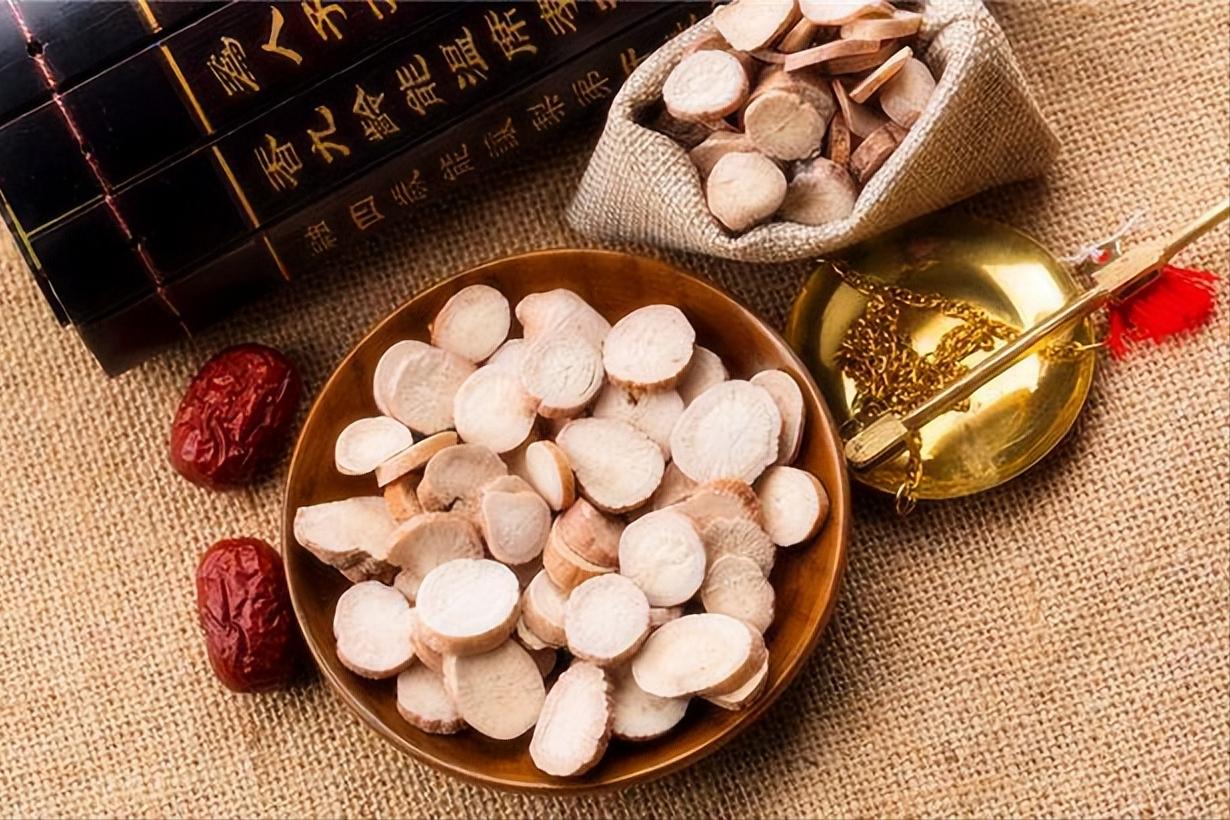
Within the "Rehmannia Pill family" in Traditional Chinese Medicine, there's a particularly good helper for cases of liver and kidney deficiency with insufficient yin and blood, accompanied by mild deficiency heat—Guishao Dihuang Wan. It is based on Liuwei Dihuang Wan (a foundational formula for nourishing kidney yin), with the addition of two "blood-tonifying generals": Dang Gui and Bai Shao. Dang Gui nourishes blood and promotes blood circulation, while Bai Shao nourishes blood and soothes the liver, specifically targeting eye problems, cramps, and restless sleep caused by liver blood deficiency.
How to use it? It's very simple:
Take it at the recommended dose as instructed, either by chewing or with warm water. Convenient and hassle-free, it’s a way to spend a little to solve major physical discomforts.
Traditional Chinese medicine emphasizes syndrome differentiation and treatment; different symptoms require different prescriptions to effectively cure the illness. If you also experience issues like frequent cramps, vivid dreams, or blurred vision and need analysis, type 1 in the comment section, and I’ll help you differentiate your tongue signs—I’ll assist if I can.