Can You Tell if You're Yin-Deficient, Yang-Deficient, or Damp-Heat from Your Stool?
During consultations, I often remind patients: after using the restroom, don't rush to flush—take a moment to observe the condition of your stool. This is actually a small tip to understand your own constitution. Traditional Chinese Medicine (TCM) holds that the dryness, consistency, shape, and odor of stool can reflect the internal environment of the body, especially common constitutional issues like yin deficiency, yang deficiency, and damp-heat. Today, let's discuss specifically how to interpret these signs.

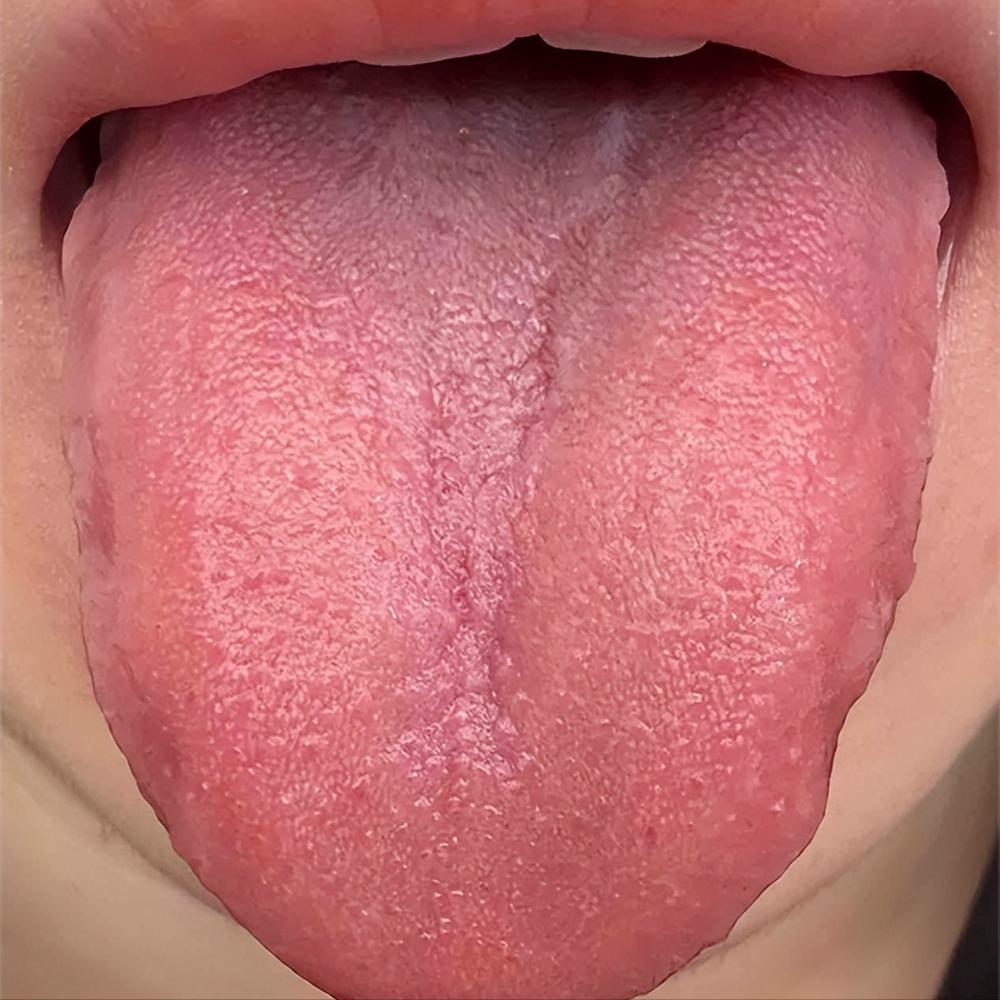
One: Is your stool dry and hard, like goat droppings? Beware of yin deficiency!
Main symptoms: Dry, hard, lumpy stools, difficulty passing stools, and a feeling of incomplete evacuation. Often accompanied by scant, dark yellow urine, heat in the palms and soles (especially in the afternoon or evening), irritability, night sweats, and poor sleep.
Traditional Chinese Medicine perspective: This is primarily due to insufficient body fluids (yin fluid) in the body. The intestines are like a river. When body fluids are abundant, stools pass smoothly, "floating" down. When body fluids are deficient, the intestines become dry and rough, making stools dry, hard, and difficult to pass. In TCM, this is called "intestinal dryness due to fluid deficiency."
Treatment approach: The core is to nourish yin and moisten the intestines. For example, under the guidance of a physician, one might consider using formulas and herbs that nourish kidney yin, moisten dryness, and promote bowel movements (such as modified Liuwei Dihuang Wan, used based on pattern differentiation).
II. Loose, soft, unformed stools that always stick to the toilet? Possibly yang deficiency!
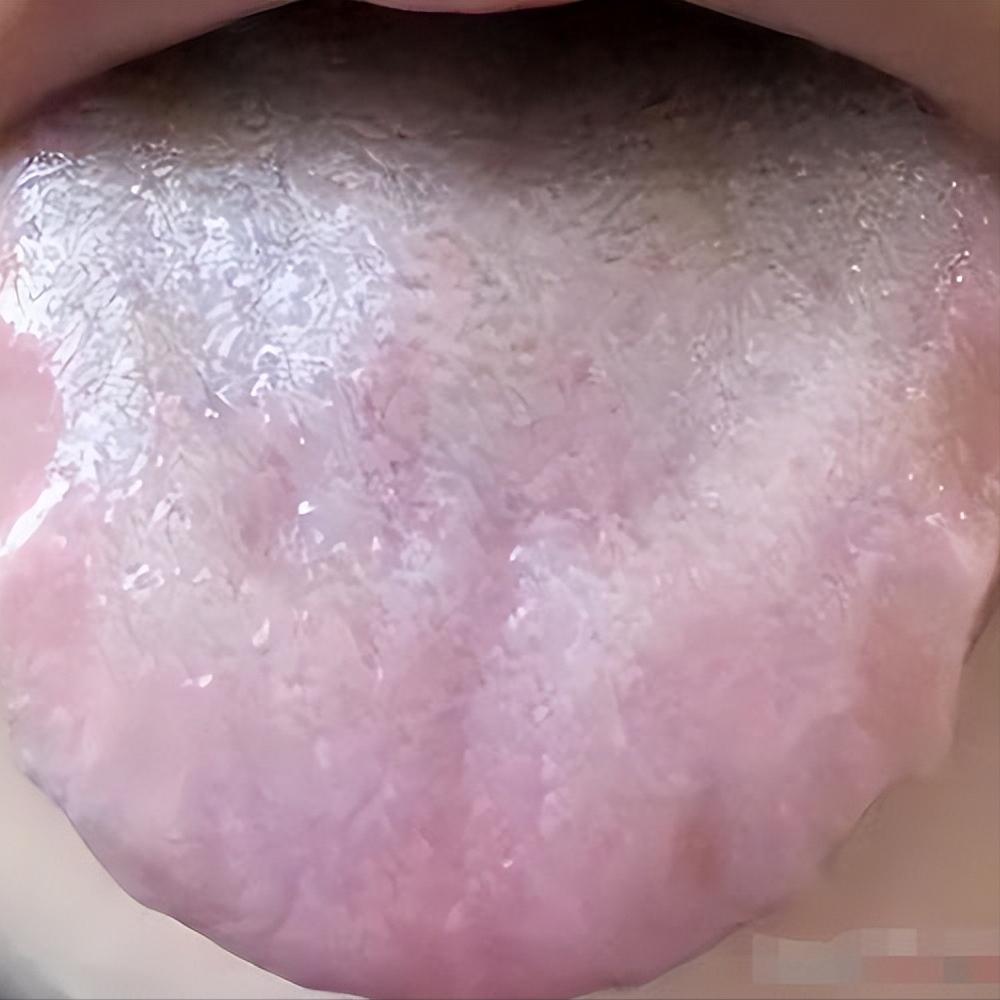
Main Manifestations: Loose stools (mud-like), prone to sticking to the toilet and difficult to flush clean; sometimes undigested food residues are visible. The individual also feels notably cold, with cold hands and feet, low spirits, easy fatigue, and pale-colored urine in large quantities.
Traditional Chinese Medicine Perspective: This is due to insufficient yang qi of the spleen and kidneys. Yang qi is akin to the body’s “small furnace,” responsible for warmth and digestion (in TCM, termed "fermentation and transformation"). When yang qi is weak, the “furnace” is not robust, leading to inadequate food digestion and impaired fluid metabolism, resulting in loose stools. If yang qi fails to warm the entire body, the person naturally feels cold and lacks energy.
Direction of Regulation: The key is to warm and tonify the yang qi of the spleen and kidneys. For example, under the guidance of a professional practitioner, consider using formulas that warm the middle, strengthen the spleen, and support kidney yang (such as Fuzi Lizhong Wan, which must be used based on pattern differentiation).
Three. Is your stool sticky, foul-smelling, and accompanied by a burning sensation during bowel movements? This is often a sign of Damp-Heat Constitution!
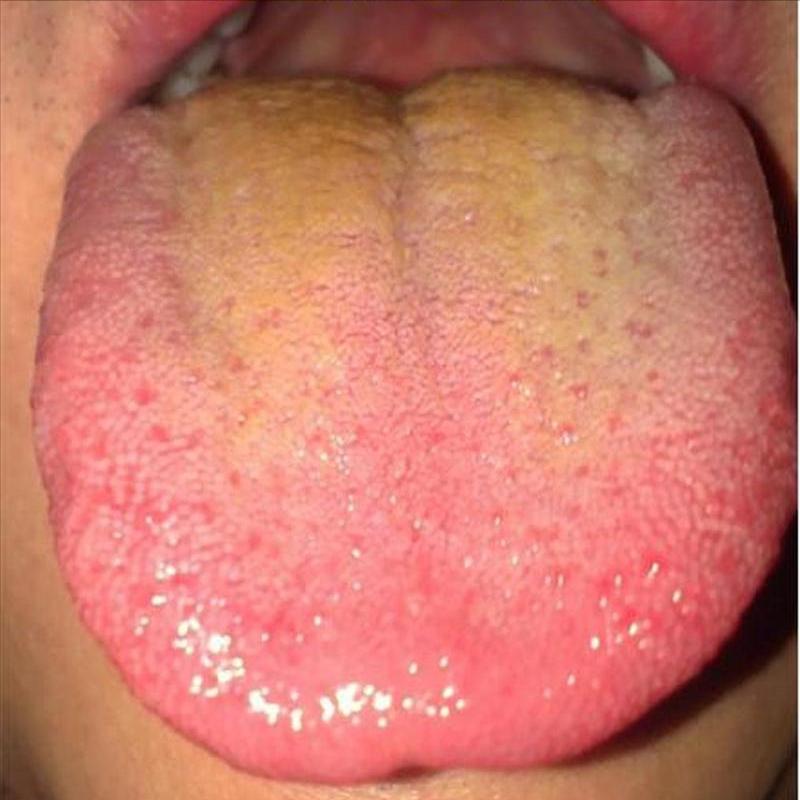
Main manifestations: Sticky and difficult bowel movements that cling to the toilet, with a particularly foul odor. There is a burning and uncomfortable sensation in the anus during defecation, and a persistent feeling of incomplete evacuation. Additionally, there is a tendency for bitter taste and bad breath, oily hair and face, poor appetite, and abdominal bloating.
From a Traditional Chinese Medicine (TCM) perspective: This is due to internal accumulation of damp-heat, which obstructs the spleen and stomach. Dampness is heavy, turbid, and sticky; combined with heat, it "blocks" the middle jiao (spleen and stomach), impairing digestion (referred to as "qi stagnation" in TCM). When damp-heat moves downward to the large intestine, it causes sticky and foul-smelling stools with a burning sensation during defecation. When damp-heat rises upward, it leads to bitter taste, bad breath, and oily scalp and face.
Management approach: The focus should be on clearing heat, draining dampness, and promoting the smooth flow of qi. For example, after diagnosis by a TCM practitioner, formulas that clear damp-heat from the intestines and regulate qi, such as Gegen Qinlian Decoction (Note: Must be used under professional guidance based on syndrome differentiation), may be considered.
Verified by real cases:
A 45-year-old Mr. Liu came to see me, long troubled by bowel issues: sometimes going days between movements with dry, hard stool; other times experiencing sudden diarrhea that is sticky, foul-smelling, and accompanied by a burning sensation around the anus. In daily life, he often feels fatigued, afraid of cold yet prone to "internal heat" (上火). After examining his tongue (the coating alternating between yellow-greasy and thin-scanty) and inquiring in detail, I determined his case is a classic example of a relatively complex constitution. It involves a foundation of Yang deficiency (fear of cold, weak digestion—evidenced by undigested food in stool), frequently complicated by damp-heat due to dietary irregularities (preference for spicy, greasy foods). Over time, this has also consumed some body fluids, leading to occasional constipation. Management requires a staged approach: first clearing damp-heat, then warming and tonifying the spleen and kidneys while also nourishing Yin. A single, simple method won't suffice.
Reminder:
Stool is only one reference: Determining constitution requires a comprehensive evaluation (tongue appearance, pulse condition, systemic symptoms, etc.), and should not rely solely on stool. For example, yang deficiency may occasionally cause constipation, while severe damp-heat may lead to diarrhea.
Herbal formulas should not be used indiscriminately: Mentioned Chinese patent medicines (such as Liuwei Dihuang Wan, Fuzi Lizhong Wan, Gegen Qinlian Tang) have strict indications. Using them incorrectly may lead to the opposite effect (for example, using Fuzi Lizhong Wan for damp-heat could "add fuel to the fire").
Traditional Chinese medicine emphasizes syndrome differentiation and treatment, using different formulas for different symptoms to achieve effective results. If you also experience similar issues such as dry stool, soft stool, or foul-smelling stool that need analysis, leave "1" in the comments section. I will help differentiate your tongue appearance and assist as much as possible.