The Pinnacle of Dual Yin-Yang Supplementation: Just Two Herbs for Rapid Boost of Yin, Yang, and Vital Essence
When it comes to tonifying the kidneys, my patients ask about it very frequently. However, many people have a misconception that kidney deficiency simply means taking tonic herbs, which can sometimes lead to feeling worse instead of better. Why is that? Because kidney deficiency is divided into yin deficiency and yang deficiency, and the supplementation methods are entirely different. For those with yin deficiency who have excess internal heat, taking herbs that warm yang is like "adding fuel to the fire." For those with yang deficiency who are prone to feeling cold, indiscriminately taking herbs that nourish yin might instead "add frost to snow." What's more common, especially among middle-aged and elderly individuals, is that after delaying treatment for a long time, it's easy to develop both yin and yang deficiency—where both yin and yang within the body are depleted, mutually affecting each other, and symptoms become more complex as a result.
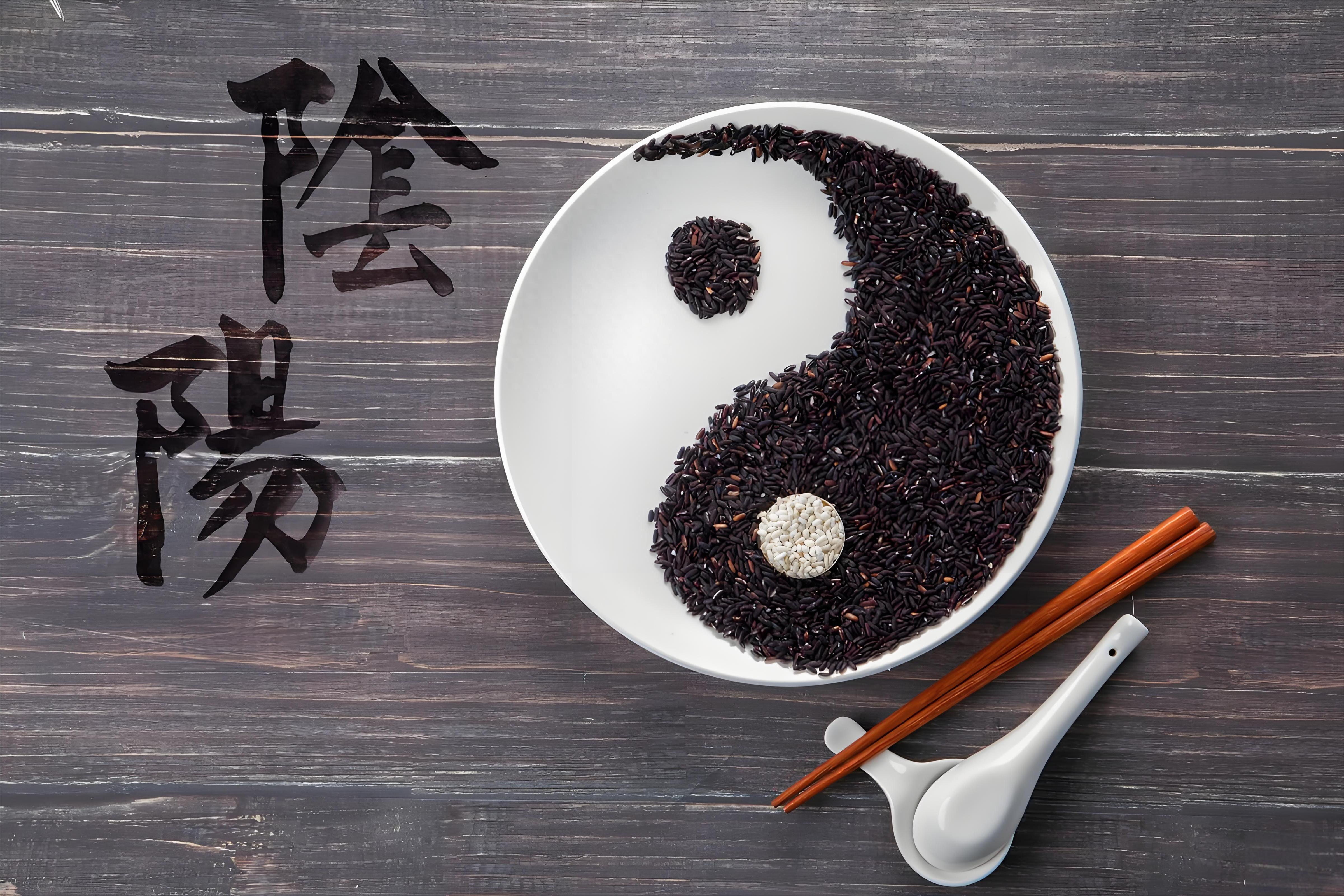
What are the manifestations of dual yin-yang deficiency? It may involve the simultaneous occurrence of:
Cold-related symptoms: cold hands and feet, cold and sore lower back and legs with weakness, and low energy.
Heat-related symptoms: warm palms and soles, susceptibility to irritability and internal heat in the afternoon or evening, and night sweats during sleep.
Signs of kidney essence deficiency: dizziness, tinnitus, declining memory, and for male friends, potential functional issues (such as erectile dysfunction, nocturnal emission).
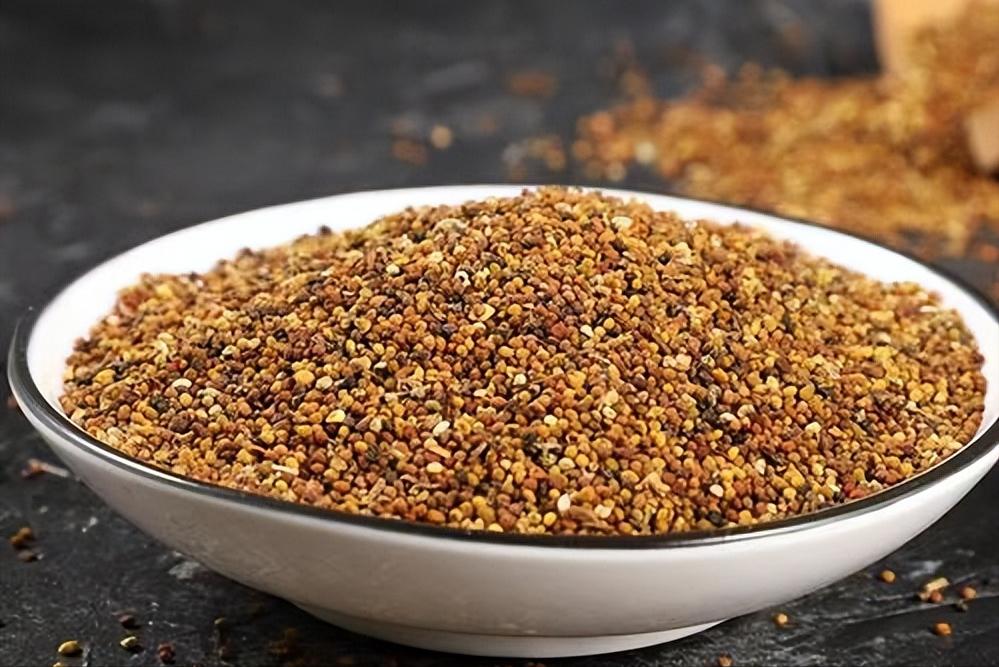
For this complex condition of dual deficiency of yin and yang, traditional Chinese medicine proposes an approach called "dual supplementation of yin and yang." Today, I'd like to share a simple yet effective formula with just two herbs: dodder seed and schisandra. Though the ingredients are few, their combination is powerful, and both are readily available at most pharmacies.
Let me tell you about Mr. Zhang from my clinic:
Mr. Zhang is 52 years old and a veteran accountant. When he came to see me, he was particularly troubled: in the middle of summer, when others in the office turned on the air conditioning, he felt cold and had to wear a jacket; yet at night when sleeping, his palms and soles were burning hot, and he also experienced night sweats. On a daily basis, he often felt soreness in his lower back and weakness in his legs, as if completely drained, with very low energy and a memory that was much worse than before. I examined his tongue (pale-red, with thin coating), felt his pulse (thin and weak), and based on these symptoms of “both cold and hot sensations,” I diagnosed him with a typical case of dual deficiency of yin and yang, with insufficient kidney essence. Later, I advised him to make a decoction by boiling Cuscuta seeds with Schisandra berries and drink it, combined with adjustments to his daily routine, which gradually led to improvement.
Why can these two herbs achieve "dual supplementation"?
Cuscuta seeds (primarily tonify yang, also nourish yin): Its nature is relatively mild, capable of warming and tonifying kidney yang (supplementing the “fire power”) while also nourishing kidney yin (supplementing the “material foundation”), and it can tonify the kidneys and replenish essence. It acts like a “versatile player,” first stabilizing the weakened foundation.
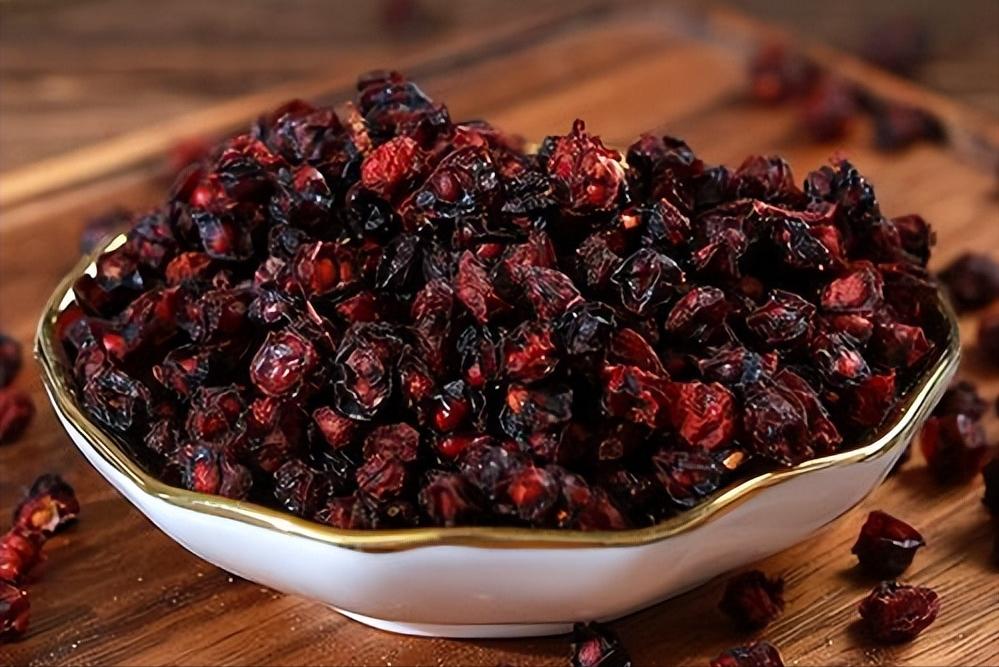
Schisandra chinensis (nourishes Yin and consolidates essence, while also supporting Yang): It excels at nourishing kidney Yin and promoting astringency and consolidation. It can help improve symptoms such as Yin deficiency with night sweats, irritability, and shortness of breath, and also consolidates essence. At the same time, it has a mild warming effect on the kidneys to support Yang. When combined with Cuscuta chinensis, one nourishes Yin and the other supports Yang, mutually reinforcing each other.
How exactly is it used?
Take 10 grams of Cuscuta chinensis and 6 grams of Schisandra chinensis. Boil them in a health kettle or clay pot, then reduce to low heat and simmer for 15-20 minutes. Drink it as a tea. The taste is slightly sour (from Schisandra chinensis) and mildly sweet (from Cuscuta chinensis). You can add water and boil repeatedly, drinking it throughout the day.
Important reminder:
This small formula has a relatively gentle medicinal nature, suitable for mild conditioning or as an adjunct for conditions involving deficiency of both yin and yang and insufficiency of kidney essence. Traditional Chinese Medicine emphasizes treatment based on syndrome differentiation; different symptoms require different formulas to achieve a targeted cure. If you also experience similar issues such as feeling both cold and hot, dizziness, tinnitus, soreness and weakness in the lower back and knees, or reduced functionality and need analysis, comment with "1" in the message section. I can help you analyze your tongue manifestations based on syndrome differentiation—if I can assist, I certainly will.