Zhang Zhongjing's Top Kidney-Tonifying Formula, Not a Single Kidney-Tonifying Herb Inside, Outshines Liuwei Dihuang and Guifu Dihuang
Today, let’s talk about an interesting formula—Guizhi Longgu Muli Tang (Cinnamon Twig, Dragon Bone, and Oyster Shell Decoction). You may not have heard of this name, but if I tell you it's Zhang Zhongjing's "top kidney-tonifying formula," many experienced TCM practitioners would nod in agreement. What's the most remarkable thing about this formula? Even if you go through the entire prescription, you won’t find a single herb that directly tonifies the kidneys. Yet, in terms of effectiveness, it works even better than well-known kidney-tonifying formulas like Liuwei Dihuang Wan or Guifu Dihuang Wan.
Let's first talk about the principles of tonifying the kidneys. Look at some people who feel dizzy and have blurry vision all day, get diarrhea after eating just a little, have a pale complexion like paper, and speak with no energy. To the untrained eye, this looks like kidney deficiency, but an experienced TCM practitioner will know with just one pulse reading that this is extreme kidney essence deficiency. In such cases, using strong tonifying herbs like deer antler or prepared rehmannia root can actually backfire. Why? It’s like trying to cook rice in a pot with a hole in the bottom—no matter how much rice you pour in, it won’t cook properly.
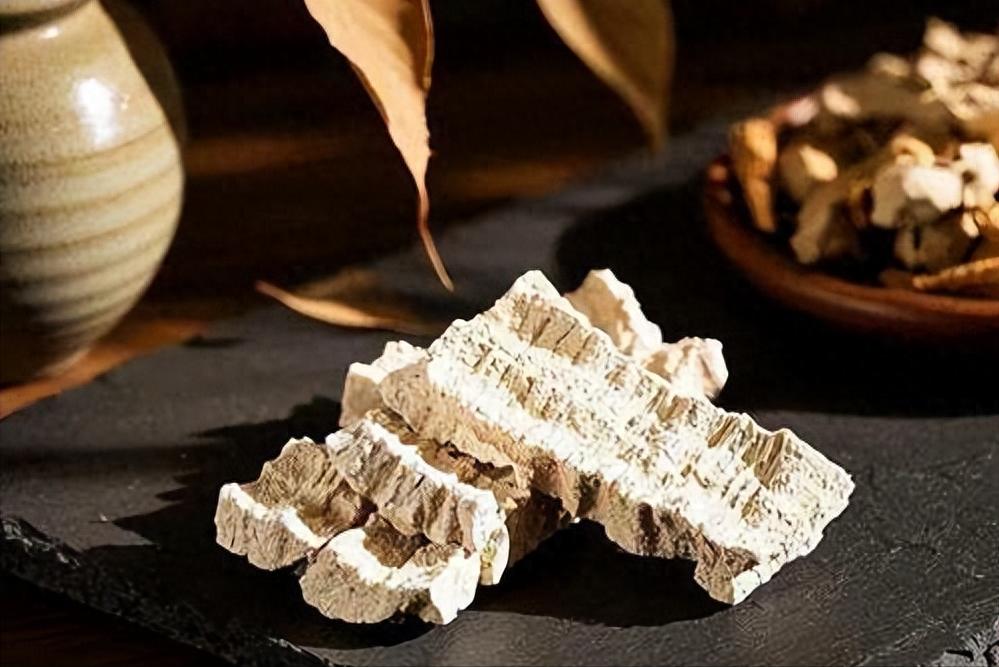
Zhang Zhongjing's cleverness is evident right here. He didn't use tonics; instead, he used keel and oyster, two "astringent" herbs. Don't underestimate this astringent property—Chinese medicine emphasizes that "the kidney governs storage and consolidation," much like patching a leaking pot first. Keel is the fossil of ancient large animals, and oyster is a seashell; both carry a heavy "earth qi" that can draw back scattered essence and qi. Even better, they can also calm the spirit. Think about it—if a person can't sleep peacefully all night, how can blood and qi be nourished? As the old saying goes, "Tonics are not as good as food, and food is not as good as sleep"—this is the very principle.
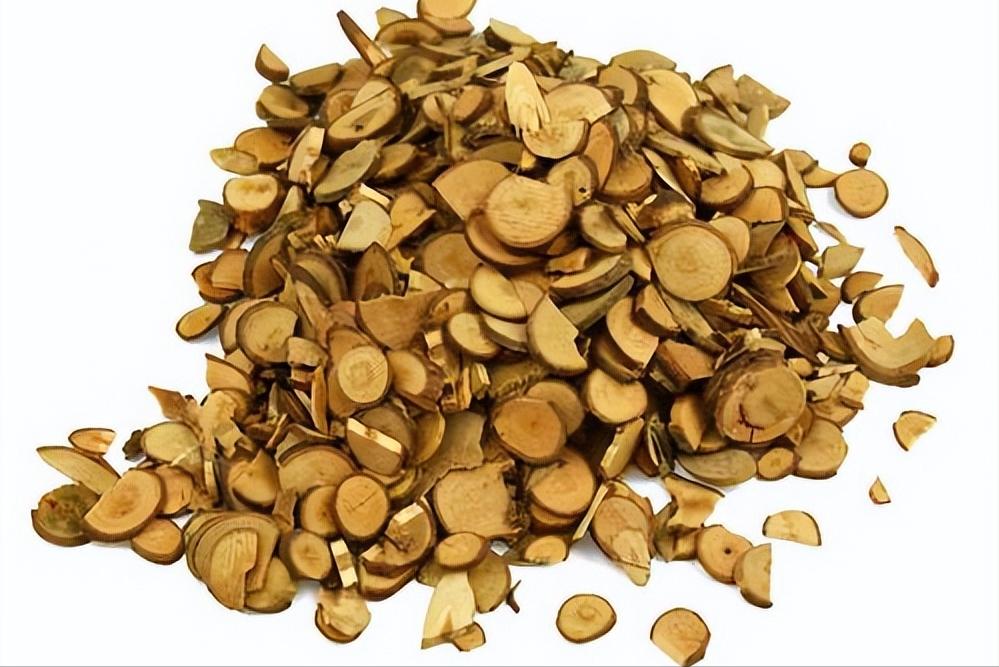
However, just astringency alone isn't enough—there must also be a pathway for the flow of blood and qi. That's why cassia twig is added to the formula. This herb is like installing a "radiator" in the body, capable of sending yang qi to the limbs and throughout the body. Think about it: in winter, if you only close the windows and don't turn on the heater, won't you get sick after a while? Cassia twig serves this regulatory function, preventing excessive astringency from causing blood and qi stagnation.
The most profound aspect of this formula lies in the four words: "follow the natural flow." It doesn't force tonics into the body; instead, it helps the body regain its ability to self-regulate. It's like an old farmer tending the land—not watering and fertilizing every day, but first loosening the soil and preserving moisture so the crops can take root and grow on their own. Nowadays, some people find that the more they tonify the kidney, the weaker they get, often because they haven't grasped this principle.

That's why this Cinnamon Twig, Keel, and Oyster Decoction can be called the "number one kidney-tonifying formula." Its effectiveness doesn't rely on expensive herbs but on a profound understanding of the laws of the human body. Chinese medicine emphasizes pattern differentiation and treatment—using different formulas for different symptoms to achieve a cure with the right remedy. If you also experience symptoms like dizziness, blurred vision, lack of energy, or a pale complexion and need analysis, type 1 in the comments section. I'll help you differentiate patterns based on tongue examination, and if I can help, I certainly will.