Why do experienced TCM practitioners say, "Eucommia without Achyranthes does not strengthen the kidneys, and Morinda without Epimedium cannot lift the sinews"?
I've been practicing Traditional Chinese Medicine for some years now. The older generation of TCM doctors often recite this saying: "Eucommia without Achyranthes does not strengthen the kidneys, and Morinda without Epimedium cannot lift the sinews." It sounds simple, but there's a lot of nuance to it. Let me break it down for you.

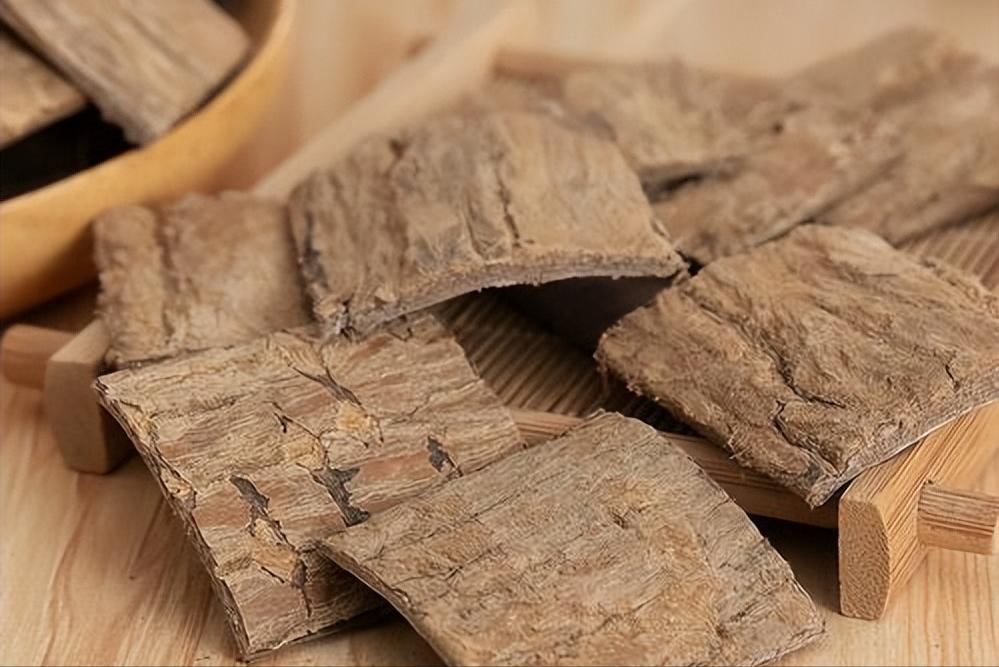
First, let's discuss "Eucommia without Achyranthes does not strengthen the kidneys." Eucommia bark is a "veteran" herb in TCM, specifically targeting the Liver and Kidney channels. What are the Liver and Kidney responsible for? The Liver governs the sinews, and the Kidney governs the bones. When the Liver and Kidney are healthy, the sinews and bones are strong. Eucommia is like a "sinew and bone maintenance worker," specifically addressing lower back pain and weak legs caused by Kidney deficiency. However, Eucommia alone is not enough; it needs to be paired with Achyranthes root. Achyranthes is also a "regular" in the Liver and Kidney channels, and it has a special skill—it can guide the medicinal properties downward. To use an analogy, if Eucommia is the "worker," then Achyranthes is the "foreman," directing Eucommia's effects straight to the Liver and Kidney, making the effects of strengthening the lower back, knees, sinews, and bones more pronounced. Without Achyranthes, Eucommia's medicinal properties would be like a headless fly, scattering everywhere, and the effect would naturally be greatly reduced. That's the reasoning behind the old saying, "Eucommia without Achyranthes does not strengthen the kidneys."
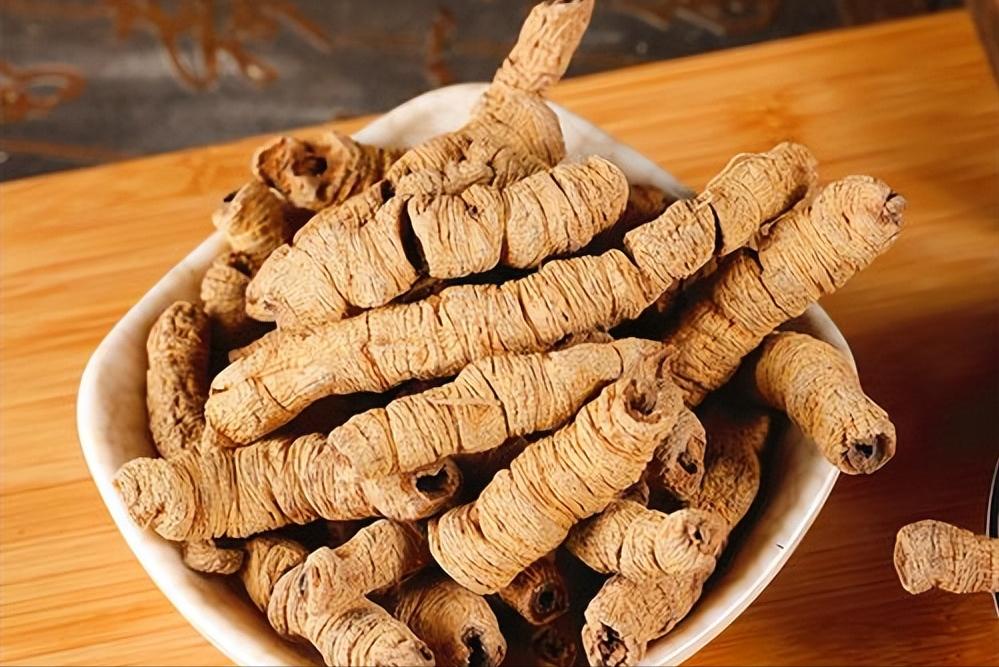
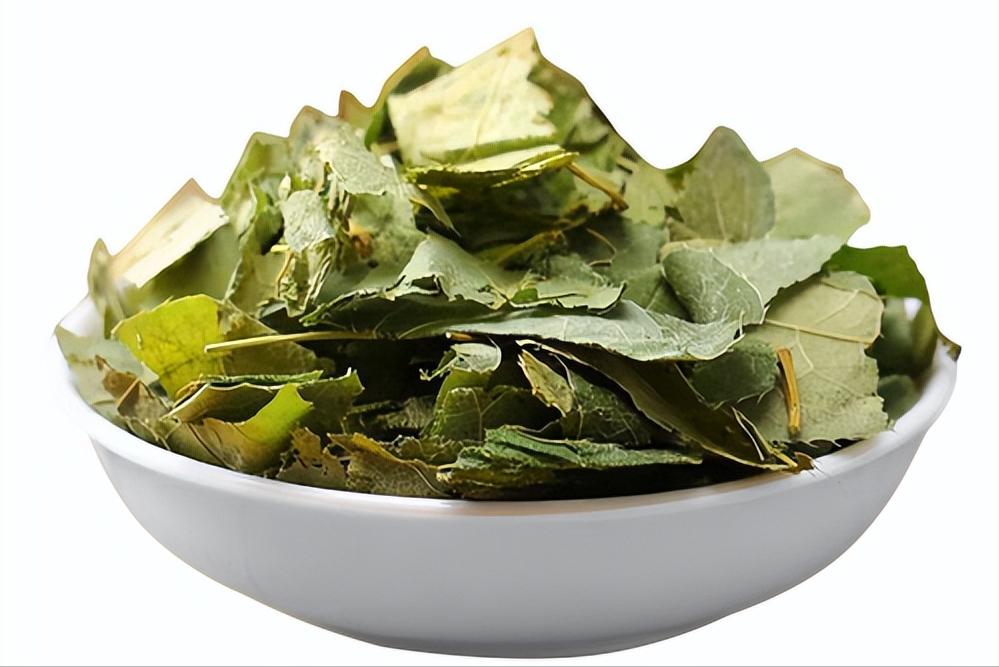
Let's talk about the saying, "Morinda without Epimedium, the tendons won't rise." Morinda officinalis, this medicinal herb, specifically targets the blood aspect of the kidney meridian, helping to "boost and invigorate" kidney qi—it works quickly and steadily. However, for those with kidney yang deficiency, relying solely on Morinda officinalis isn't enough. It needs the support of Epimedium. Epimedium is an "old-timer" in tonifying the kidneys and strengthening yang. Not only does it supplement yang, but it also strengthens the tendons and bones—a real "all-rounder" among kidney-tonifying herbs. When these two work together, it's like installing a "small sun" in the body. Issues such as cold hands and feet, poor appetite, loose stools, diarrhea after eating cold foods, functional decline, and premature ejaculation can gradually improve. Without Epimedium, Morinda officinalis’ ability to warm and tonify kidney yang weakens, and the longer the delay, the harder it becomes to resolve the problem.
Traditional Chinese medicine emphasizes the importance of "herb pairing," much like cooking requires the right seasoning. Using just one ingredient always leaves the flavor lacking. The combination of Eucommia bark with Achyranthes root, and Morinda officinalis with Epimedium, are "golden pairings" passed down from our ancestors. When used correctly, their effects are amplified. If you experience similar issues, don’t try to figure it out on your own. Consulting a TCM practitioner for syndrome differentiation and personalized treatment is the right way forward.
Traditional Chinese Medicine emphasizes diagnosis and treatment based on syndrome differentiation, using different prescriptions for different symptoms to achieve a cure. If you experience issues such as short duration, poor hardness, or feeling cold all over and need analysis, leave '1' in the comment section. I will help you analyze your tongue signs through syndrome differentiation and assist whenever possible.