Summer is the perfect time to brew and drink Ophiopogon japonicus tea. Here are 5 practical pairings to help regulate minor ailments throughout the body.
In summer, sweating a lot is common, but this can unknowingly deplete the “yin fluids” in our body. Traditional Chinese Medicine (TCM) states that “sweat and blood share the same source.” Excessive sweating can easily lead to minor issues like dry mouth and throat, dry skin, and even constipation. At times like these, brewing some Ophiopogon japonicus in water to drink is a simple and affordable remedy.
Ophiopogon japonicus, this medicinal herb, is easy to buy in pharmacies and is also affordable. Its main functions are to nourish yin and promote fluid production, moisten the lungs, and calm the heart. It is especially suitable for replenishing the fluids lost through sweat in summer, alleviating feelings of dryness and heat like dry mouth, thirst, and a dry, itchy throat. Moreover, its nature is relatively mild and balanced, unlike some tonic herbs that can easily cause internal heat (excessive heatiness in the body).
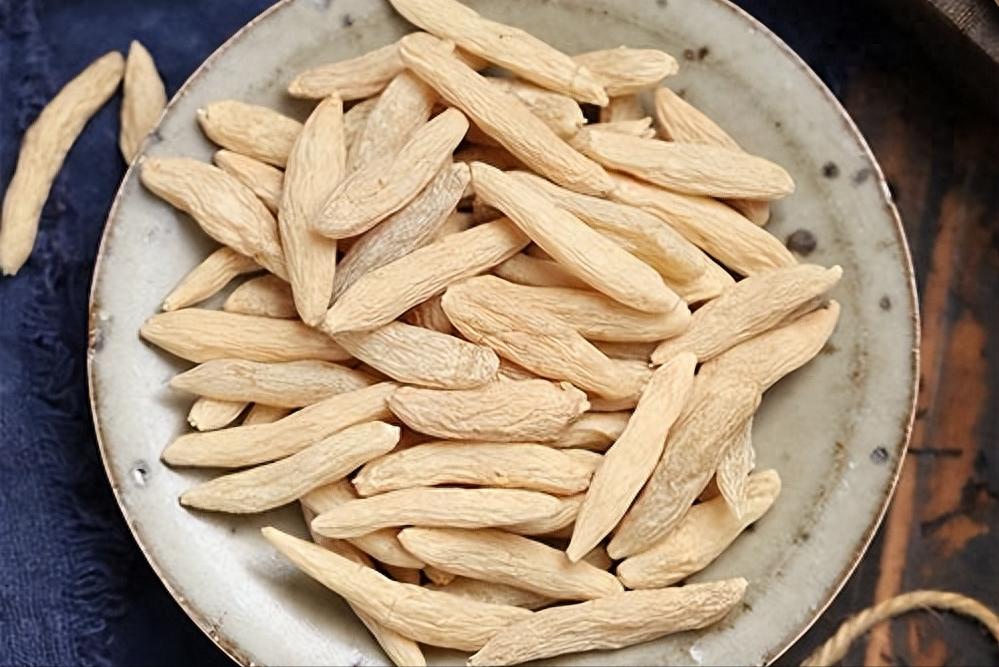
In my clinical practice, I often recommend pairing Ophiopogon japonicus with different herbs based on individual conditions for more effective and targeted results. Here are a few commonly used combinations from the clinic:
Ophiopogon japonicus + American Ginseng: If you often feel fatigued, experience severe dry mouth (not relieved by drinking water), occasionally feel palpitations, and have dry stools during summer, this may indicate "deficiency of both qi and yin." American ginseng tonifies qi and nourishes yin. When combined with Ophiopogon japonicus, it can boost energy, promote fluid production, and alleviate fatigue and dryness.
Ophiopogon japonicus + Astragalus: This combination also addresses deficiency of both qi and yin, but if you are particularly prone to fatigue, experience shortness of breath and sweating with minimal exertion, and feel that your qi deficiency is more pronounced than your dry mouth, astragalus provides stronger qi-tonifying effects. Paired with Ophiopogon japonicus to nourish yin, it is more suitable for cases where qi deficiency is predominant.
Ophiopogon japonicus + Chrysanthemum: The summer heat can make people irritable and prone to "internal heat." If you experience a bitter taste in the mouth, red, dry, or painful eyes, or even dizziness and a feeling of heaviness in the head, this is often due to liver fire flaring up. Chrysanthemum clears liver heat and improves vision. Combined with Ophiopogon japonicus to nourish yin and clear heat, it can help alleviate these "internal heat" symptoms.
Ophiopogon + Goji Berries: Some people feel heat in their palms and soles, restlessness, soreness in the lower back and legs, tinnitus, or blurred vision in the afternoon or evening. This may be due to "liver-kidney yin deficiency." Goji berries nourish the liver and kidneys and improve vision, while Ophiopogon nourishes yin and moistens dryness. The combination of these two can gradually nourish liver-kidney yin.
Ophiopogon + Lily Bulb: During summer, do you experience restlessness, difficulty sleeping, excessive dreaming, palpitations, poor memory, or dizziness? This may be due to heart yin deficiency and mental restlessness. Lily bulb clears the heart and moistens the lungs, calming the mind. When combined with Ophiopogon, which nourishes yin and clears the heart, it helps soothe the mind and improve sleep and feelings of restlessness.
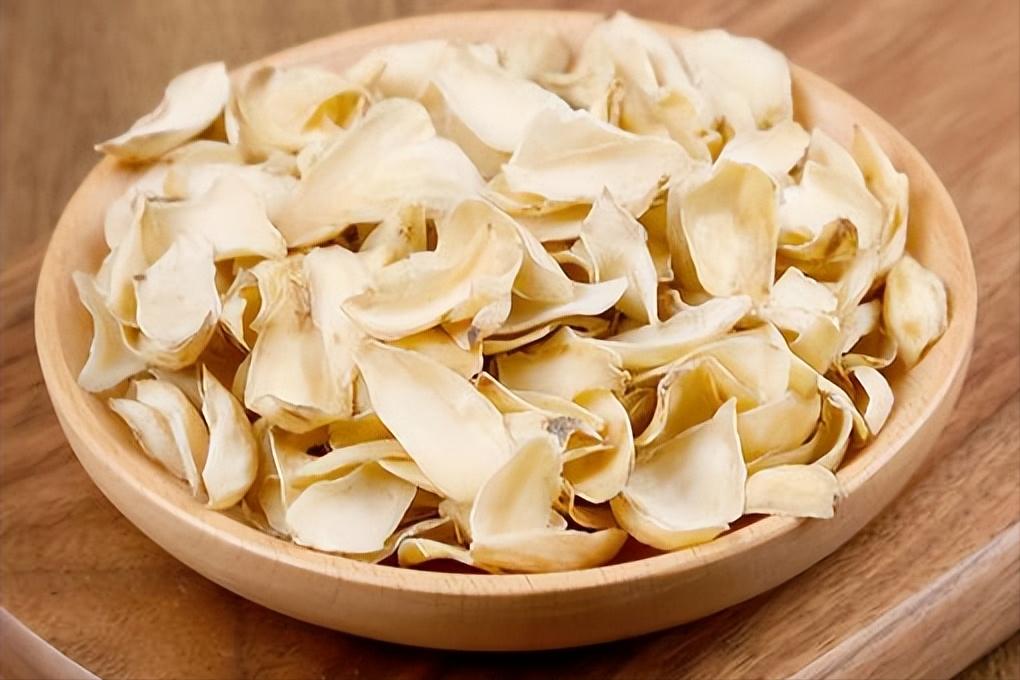
A practical example: In the clinic, there was Ms. Li, a 48-year-old teacher. Last summer, she often felt extremely thirsty, and drinking water didn’t relieve it. Her lips were dry and peeling, and she had dry stools. What troubled her more was difficulty sleeping at night, a constant feeling of restlessness, and slight tinnitus. Her tongue was reddish with minimal coating. This is a classic presentation of heart-liver-kidney yin deficiency with deficiency heat. I suggested she regularly brew Ophiopogon (10g), Goji berries (10g), and Lily bulb (10g) together as tea to nourish yin while also clearing the heart and nourishing the liver and kidneys. She persisted for about three weeks and reported significant relief from dryness and restlessness, as well as improved sleep. Of course, individual constitutions vary, so it’s best to choose the right combination under the guidance of a doctor.

A final reminder: Ophiopogon is beneficial but has a cool and moistening nature. If you typically experience cold intolerance, cold hands and feet, or loose stools (spleen-stomach deficiency cold), it may not be suitable for long-term use alone. Traditional Chinese medicine emphasizes pattern differentiation and treatment, using different formulas for different symptoms to achieve a cure. If you also experience symptoms like dry mouth, restlessness, insomnia, or deficiency heat, feel free to comment with "1" below. I can help analyze your tongue signs and assist however possible.