Three Classic TCM Prescriptions Most Feared of Being Lost, Each a Treasure
In the treasure trove of Traditional Chinese Medicine (TCM), there are some classic formulas that appear simple and inexpensive, yet have been tested over millennia with genuinely effective results. Today, I'd like to share three such "common people's formulas." Don’t underestimate them—each preparation might cost just a few dollars, but when used correctly, they can truly resolve many common minor ailments, reducing trips to the hospital and reliance on others.
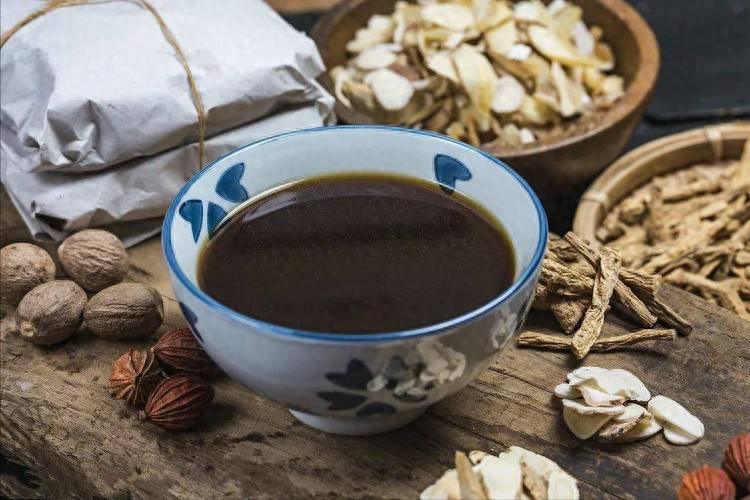
1. Peony and Licorice Decoction: Easing "Cramps, Numbness, and Pain"
Prescription: 12g of white peony root, 12g of licorice, boiled in water and consumed as a drink.
Suitable for: In clinical practice, we often encounter patients who experience frequent leg cramps that wake them up at night, easily numb hands and feet, or constant dull pain in certain parts of the body that slightly improves with movement.
Traditional Chinese Medicine Principle: According to TCM, "the liver governs the tendons," and the tendons require yin blood for nourishment. If yin blood is insufficient or the tendons become tense (contracted or in spasm), symptoms like cramps, numbness, and pain may occur. In this prescription, white peony root nourishes blood and soothes the liver, relaxing tense tendons, while licorice alleviates spasms and pain, harmonizing the medicinal properties. The combination of these two herbs is like "loosening the bonds" on tight tendons, allowing qi and blood to flow smoothly.
Effect: Primarily relieves muscle and tendon spasms and pain, such as calf cramps, numbness in the hands and feet, and muscle soreness.
2. Two Mysteries Powder: For "Damp Itch, Stickiness, Burning Heat"
Formula: 15g Phellodendron amurense bark (Huang Bai), 15g Atractylodes rhizome (Cang Zhu), decoct in water to drink (or grind into powder for topical application as a paste).
Who it's for: Some friends often feel discomfort in the lower body—for instance, dampness in the groin area, clammy sweating in the scrotum, or even eczema, small blisters, severe itching, or yellow-colored urine with a burning sensation at the urethral opening. These symptoms are often related to "damp-heat."
TCM rationale: "Dampness" is sticky, heavy, and turbid in nature, while "heat" is dry, harsh, and burning. When damp-heat moves downward and accumulates in the lower jiao (the genitourinary region), it easily causes the problems mentioned above. Phellodendron amurense bark excels at clearing heat and drying dampness, particularly effective at clearing heat toxins from the lower jiao; Atractylodes rhizome, with its bitter and warm properties, strongly dries dampness and eliminates turbid dampness. These two herbs work together—one clearing, one drying—specifically to clear damp-heat from the lower jiao.
Effect: Primarily targets damp-heat in the lower jiao, manifesting as scrotal dampness, eczema and itching, scant and burning dark urine, and thick yellow vaginal discharge in women.
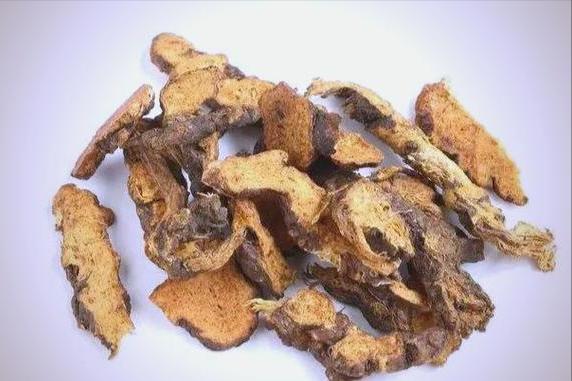
3. Gan Mai Da Zao Tang (Licorice, Wheat, and Jujube Decoction): Soothes "restlessness, excessive sweating, poor sleep"
Formula: Glycyrrhiza (Licorice Root) 6g, Tritici Aestivi Fructus Levis (Light Wheat) 15g, Ziziphi Jujubae Fructus (Jujube) 10 pieces (broken open), decoct in water for drinking.
For Whom: This formula is particularly popular among female friends, especially those entering menopause or who usually overthink and experience significant emotional fluctuations. Symptoms often include a sense of unexplained irritability and restlessness, frequent bouts of sweating (especially on the head, neck, and chest), tossing and turning with difficulty falling asleep or sleeping restlessly at night, and a tendency towards irritability.
The Principle of TCM: Traditional Chinese Medicine holds that "the heart governs the mind." If heart yin (the substance that nourishes the mind) is insufficient, or heart qi (the function of the mind) is restless and fails to be restrained, the mind will not receive nourishment and stability, leading to symptoms such as irritability, insomnia, excessive sweating, and emotional instability. Light wheat nourishes the heart and restrains sweating, calming the restless heart qi; jujube fortifies the spleen and nourishes blood, thereby nourishing heart yin; licorice harmonizes the various herbs and also supplements heart qi. The entire formula is like "cooling down" and "providing a home" for the restless mind.
Effect: The focus is on nourishing the heart and calming the mind, restraining sweating, and alleviating irritability. It improves symptoms of menopausal syndrome, anxiety-related insomnia, spontaneous and night sweats, and emotional fluctuations caused by heart yin deficiency and a restless mind.
A Practical Example: In the clinic, there was an Aunt Liu, 52 years old, who had recently retired. Her most distressing symptoms were intermittent hot flashes and sweating, needing to change her undergarments several times a day. She often woke up at night drenched in sweat and, once awake, felt so agitated that she couldn’t fall back asleep. During the day, she was easily angered, found everything irritating, and often felt palpitations. Her tongue was reddish with little coating. This is a classic case of heart yin deficiency and a restless mind. I suggested she try the Licorice, Wheat, and Jujube Decoction as a tea. After drinking it for about two weeks, she reported back that her sweating had significantly decreased, especially at night, allowing her to sleep peacefully. Her inner restlessness also eased. Despite its simplicity and affordability, this formula was highly effective for her condition.
Final Reminder: Although these three formulas are classic and effective, traditional Chinese medicine emphasizes syndrome differentiation and treatment. For example, pain can have different causes, and sweating can also be categorized into different types. Before using them, it’s best to consult a TCM practitioner to see if they are suitable for your constitution and symptoms, to avoid misuse. If you also experience issues such as cramps and numbness, damp-heat itching, restlessness and insomnia, and need analysis, comment "1" in the comment section—I will help with tongue diagnosis and syndrome differentiation. I will assist whenever possible.