Three Masterful Dampness-Resolving Formulations by Zhongjing: Polyporus Decoction for Damp-Heat, Five-Ingredient Poria Powder for Phlegm-Dampness, and Zhenwu Decoction for Cold-Dampness
Lingering dampness in the body is often considered the root cause of many diseases. The medical sage Zhang Zhongjing, in his "Treatise on Cold Damage and Miscellaneous Diseases," left us many exquisite formulas to combat dampness. Today, let's discuss three particularly classic formulas designed to address different types of "dampness" pathogenic factors: Polyporus Decoction (Zhuling Tang), Five-Ingredient Poria Powder (Wuling San), and Zhenwu Decoction. When used correctly, their effects are truly remarkable.
1. Polyporus Decoction: Specifically Targets Internal Disturbance from "Damp-Heat"
What conditions is it suitable for? If you often notice your urine is dark yellow and scanty, experience a burning sensation in the urethra during urination, and are prone to abdominal bloating and diarrhea—especially more pronounced after consuming greasy or spicy foods—and feel generally sluggish with a heavy-headed, dizzy sensation, and upon examining your tongue, you see a yellow, thick, and greasy coating, this is likely due to "damp-heat."
How does it develop? Long-term staying up late and a diet overly favoring spicy, greasy, sweet, and rich foods are most likely to damage the spleen and stomach. When the spleen and stomach are weakened, their ability to transport and transform dampness declines. Dampness accumulates over time and mixes with internal heat pathogens, forming damp-heat.
How does the formula resolve "dampness" and "heat"? The approach of Zhuling Tang (Polyporus Decoction) is very clear. Poria (Fuling) and Alisma (Zexie) are primarily responsible for promoting urination and draining dampness, expelling excess dampness from the body. Talc (Huashi) has a cold and cool nature, clearing heat and promoting diuresis, specifically targeting the "heat" pathogen. At the same time, considering that damp-heat can also deplete the body’s fluids (yin essence), donkey-hide gelatin (Ejiao) is added to nourish yin and moisten dryness, preventing harm to the body’s foundation while dispelling the pathogen. The combination of these herbs clears and resolves damp-heat without damaging yin.
Real-life case: Xiao Chen is a programmer who often works late and loves pairing beer with barbecue for late-night snacks. Recently, he has been experiencing dark yellow and scanty urine, discomfort during urination, abdominal bloating, and frequent loose stools, with a yellow, greasy tongue coating. After pattern differentiation, his doctor diagnosed "damp-heat pouring downward" and prescribed a modified version of Zhuling Tang. After adjusting his lifestyle to include regular sleep and a light diet, combined with one week of taking the herbal formula, his urination became smoother, and symptoms of abdominal bloating, diarrhea, and dizziness were significantly alleviated.
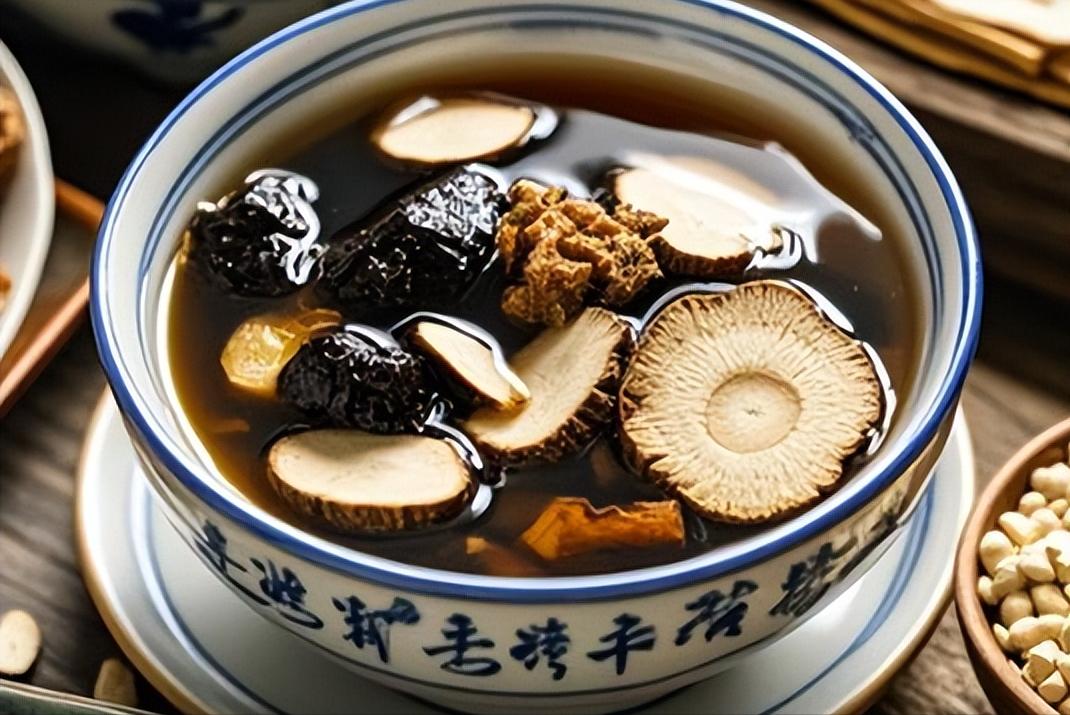
2. Wuling San: Resolving "Phlegm-Dampness" Obstruction
When is it applicable? The most apparent issue for these individuals is "dysuria" — frequently feeling the urge to urinate, but each time producing only a small amount, with incomplete and unsatisfactory voiding, and a persistent sensation of not emptying fully. This may be accompanied by feelings of bodily heaviness and fatigue, lack of strength, and possibly swelling in the lower legs and ankles or diarrhea. The tongue coating is typically white and greasy.
What is the root cause? This often stems from insufficient Yang Qi in the body (particularly Spleen and Kidney Yang deficiency), leading to a weakened "Qi transformation" function. Simply put, Yang Qi acts like the body's "small furnace" and "transporter." When it is deficient, ingested fluids cannot be adequately vaporized, transformed, distributed, and utilized. Instead, they accumulate within the body, becoming "stagnant water" or "phlegm-dampness," causing obstruction.
How does the powdered formulation "regulate and unblock" the waterways? The formulation of Wuling San is ingenious. Poria, Polyporus, and Alisma work together to promote diuresis and drain dampness, addressing the existing accumulation of water-dampness. The key lies in adding Atractylodes macrocephala to fortify the Spleen and dry dampness, enhancing the Spleen-Stomach's capacity to transform and transport fluids from the source, thereby reducing the production of "dampness." Then, a small amount of Cinnamon Twig is used to warm and unblock Yang Qi, akin to adding fuel to the small furnace, restoring the body's Qi transformation function and ensuring the smooth flow of the fluid metabolism pathways. It addresses both the root and the branch, providing an outlet for water-dampness.
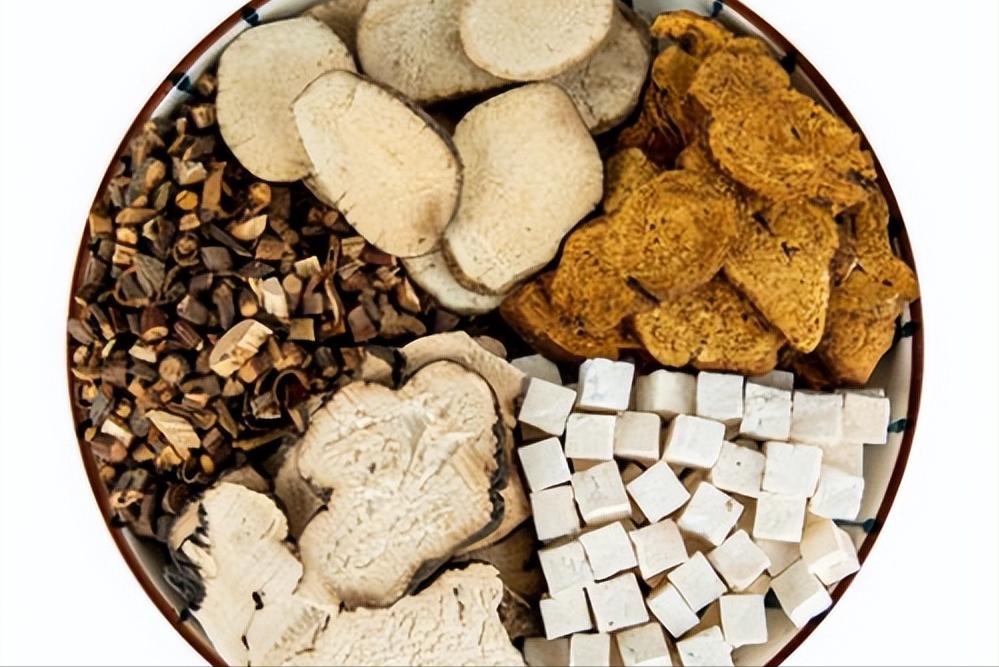
3. Zhenwu Decoction: Warming and Resolving "Cold-Dampness" Stubborn Afflictions
When is it indicated? Such conditions often occur in individuals with relatively insufficient yang energy, such as the elderly. Manifestations include aversion to cold, cold hands and feet, cold pain in the joints (worsened by exposure to cold), abdominal cold pain with diarrhea (often loose stools), reduced urine output, and possibly edema in the lower limbs. The tongue appears pale and swollen, with a white, slippery or watery coating.
Key pathological mechanism: Deficiency of kidney yang. Kidney yang is the foundation of the body's yang energy, akin to the sun in the sky. Insufficiency of kidney yang (a weak "furnace") results in the body losing its warming function, leading first to the generation of "cold." Simultaneously, insufficient yang energy to evaporate and transform fluids causes fluid retention, giving rise to "dampness." The combination of cold and dampness forms stubborn "cold-dampness."
How does the herbal formula achieve "warming yang and promoting diuresis"? The Zhenwu Decoction is a representative formula for warming yang and transforming qi. Aconite (Fuzi) and dried ginger (Ganjiang) or fresh ginger (Shengjiang) are the core components. They possess highly pungent and hot properties, swiftly warming and tonifying the spleen and kidney yang. This action is akin to igniting an internal furnace, dispersing cold and transforming dampness. Poria (Fuling) and Atractylodes (Baizhu) invigorate the spleen and expel dampness. Together with Aconite and ginger, which warm yang, they collectively address the issue of accumulated water-dampness. The formula also skillfully incorporates white peony root (Baishao). On one hand, it promotes diuresis; on the other, it moderates the excessively drying and intense nature of Aconite and ginger, preventing excessive warming and tonification from causing internal heat, thereby achieving the principle of "expelling pathogenic factors without harming the healthy qi."
**Real-life case:** Uncle Li is over 70 years old. Every autumn and winter, he suffers from excruciatingly cold and painful knees, feeling as if they are soaked in cold water. He also frequently experiences diarrhea, scanty urination, swelling in his legs and feet, and a pronounced fear of cold. Traditional Chinese Medicine diagnosed this as "decline of kidney yang with internal exuberance of cold-dampness." He was treated with a prescription based on Zhenwu Decoction (True Warrior Decoction) and advised to keep warm. After persisting with the treatment for a period of time, Uncle Li felt much warmer overall, his knee pain lessened, and his diarrhea and edema also improved.
To summarize:
Zhang Zhongjing's three formulas all target "dampness," but they differ in their emphasis:
Polyporus Decoction clears and disinhibits damp-heat, suitable for those with pronounced heat signs such as scanty, reddish, and painful urination and yellow, greasy tongue fur.
Poria Five Powder promotes yang, transforms qi, and disinhibits water-dampness/phlegm-dampness, suitable for those with inhibited qi transformation manifesting as difficult urination, edema, and white, greasy tongue fur.
True Warrior Decoction warms yang and transforms cold-dampness, suitable for those with yang deficiency and cold excess manifesting as fear of cold, cold limbs, cold pain in the joints, and pale tongue with white, slippery fur.
Important Reminder: Traditional Chinese Medicine emphasizes syndrome differentiation and treatment. Pathogenic dampness is complex and often combines with other pathogenic factors. Although these three formulas are classics, their specific application must be tailored by a professional TCM practitioner based on individual constitution and specific symptoms through syndrome differentiation. Do not blindly apply them on your own. While dispelling dampness, it is equally crucial to adjust lifestyle habits (such as moderating diet, maintaining regular routines, exercising moderately, and keeping warm).