Damp Heat Plus Kidney Deficiency, Even Hua Tuo Would Struggle: Here's My Trick
Today, let's talk about something very real – when you're dealing with both damp heat and kidney deficiency, it can be a real headache. Think about it: most herbs that expel damp heat are potent, like sweeping a courtyard, pushing the pathogenic factors outward, but it's easy to inadvertently sweep away kidney qi. Tonic herbs for the kidney are often sticky and cloying, like pouring water into a wok of hot oil; not only do they fail to tonify effectively, but they can actually steam and intensify the damp heat. That's why experienced traditional Chinese medicine practitioners often say this kind of "fire and ice" constitution is the hardest to regulate.
So is there really no solution? Not exactly. The key lies in the sequence – you must first dismantle the damp heat, this "furnace", but be careful not to damage the kidney yang, which is like an "old well". I often use this analogy with patients: If your barn is damp and stuffy, just splashing cold water on the floor won't help. You need to first spread the grain out to air it, allowing the dampness to dissipate. This is what TCM calls "releasing heat by promoting qi flow". Herbs like Patchouli (Huo Xiang) and Eupatorium (Pei Lan), with their aromatic leaves, act like opening a window for the body, allowing the dampness and heat to disperse.
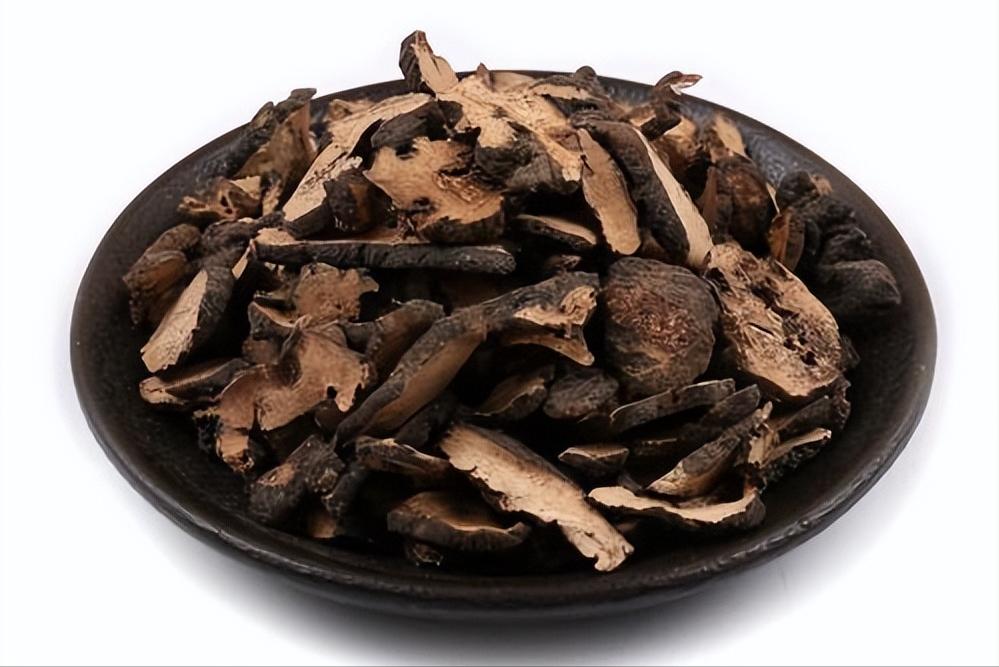
If water-dampness is particularly severe, simply opening windows isn't enough—you need to dig a small drainage ditch under the windowsill. This is where Polyporus comes into play. This herb promotes urination without harming the kidneys, much like using a sponge to absorb water—it draws out the excess while ensuring the body isn’t depleted. Once damp-heat has been reduced by seventy percent, it’s then safe to proceed with kidney tonification.
When it comes to kidney tonification, there’s an art to it. You can’t just indiscriminately use strong tonics like deer antler or donkey-hide gelatin. I often prescribe three herbs: Lycium berries (Goji), Mulberries, and Polygonatum rhizome (Solomon’s seal). They work like three diligent assistants, replenishing kidney essence while simultaneously ensuring the nourishing elements are properly distributed, preventing them from stagnating in the meridians and turning into new damp-heat.
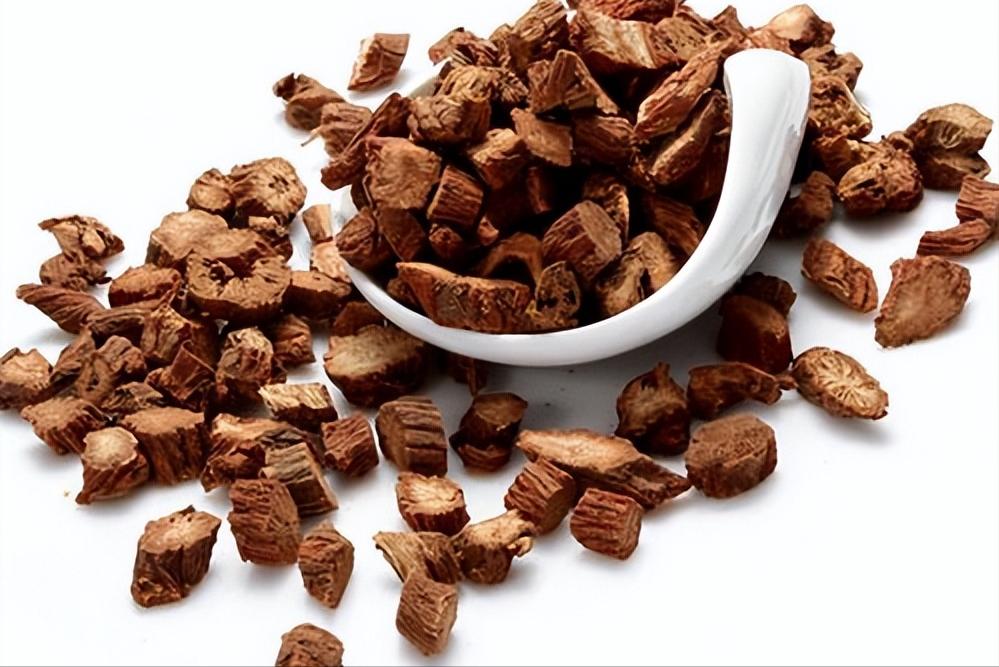
A special reminder for men dealing with prostatitis: long-term damp-heat can cause blood vessels to become as thick and sluggish as "old congee," leading to symptoms like frequent, urgent, and painful urination. In such cases, it’s beneficial to add Salvia root (Danshen) and Red Peony root. These two herbs act like small brushes, clearing out stagnant blood vessels. They are gentle in nature, promoting blood circulation without causing dryness or heat, which nicely counterbalances the stickiness of tonifying herbs.
To conclude with a heartfelt piece of advice: when managing such a complex constitution, you must neither rush nor be lazy. I had a patient who followed this approach for three months. Initially, their tongue coating was so thick and yellowish it looked like a layer of mud that could be scraped off, but now it shows a healthy pale pink hue. They used to wake up four or five times a night to urinate but now sleep soundly through the night. This goes to show: as long as the method is right, even the most stubborn conditions can be gradually unraveled and managed.