Chuanxiong resolves head stasis, Danshen resolves heart stasis, Xiangfu resolves liver stasis, Niuxi resolves kidney stasis—master these for full-body circulation.
When the circulation of Qi and blood in the body is poor, it can lead to the formation of "stasis" (blood stasis), similar to how a river channel becomes silted up. This is the root cause of many health issues. When stasis blocks different areas, the manifestations differ, and so do the methods to resolve it. In Traditional Chinese Medicine, there are several herbs known as the "dredging workers," specifically responsible for clearing "blockages" in different areas of the body.
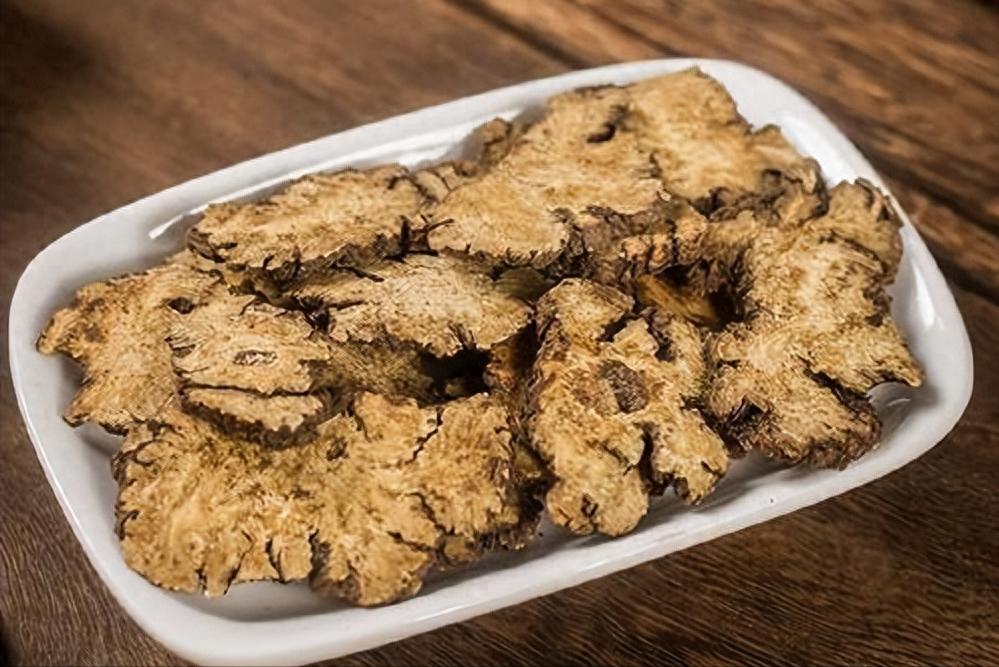
1. Stabbing Headaches, Beware of Head and Facial Stasis? Chuanxiong Comes to the Rescue
Many people have experienced this sensation: occasional needle-like pain in the head and face, especially more severe at night, accompanied by dizziness, blurred vision, and poor sleep. This may be due to blood stasis obstructing the head and face. Traditional Chinese medicine believes that "blockage leads to pain." When blood stasis obstructs the meridians, it can easily cause such sharp pain, and over time, it may even increase risks. The herb Chuanxiong (Ligusticum chuanxiong) is known as the "qi-moving herb in the blood." It has an active nature, excels in moving upward, and can promote qi and blood circulation, dissipating the blood stasis obstructing the head and face, allowing qi and blood to flow smoothly again. It's like applying pressure to clear a blocked pipe.
Real-life case: A 50-year-old woman, Ms. Wang, had been suffering from recurrent headaches for over two years. She described the pain as tiny needles pricking her temples, which was particularly bothersome at night, leading to poor sleep and occasional blurred vision. Traditional Chinese medicine diagnosed her condition as blood stasis in the head and face. After being treated with a formula containing Chuanxiong (such as a modified version of Chuanxiong Chatiao San) for some time, her headache episodes significantly decreased, and her sleep became much more restful.
Second, Chest Tightness and Palpitations: Don’t Ignore Blood Stasis in the Heart Meridians—Danshen (Salvia miltiorrhiza) Is the Expert
If you often feel tightness in the chest, as if something is pressing on it, accompanied by occasional sharp pains, palpitations, a fast heartbeat, and difficulty breathing, this may be due to blood stasis obstructing the meridians around the heart. Traditional Chinese medicine states that "the heart governs the blood vessels." When blood circulation is impeded, the heart’s function is naturally affected. The herb Danshen (Salvia miltiorrhiza) has a slightly cool nature and can enter the heart meridian. It not only clears heat and cools the blood but also promotes blood circulation and dissipates blood stasis. It specifically targets conditions of blood stasis in the heart meridians, helping to clear the "traffic" in the cardiovascular system.
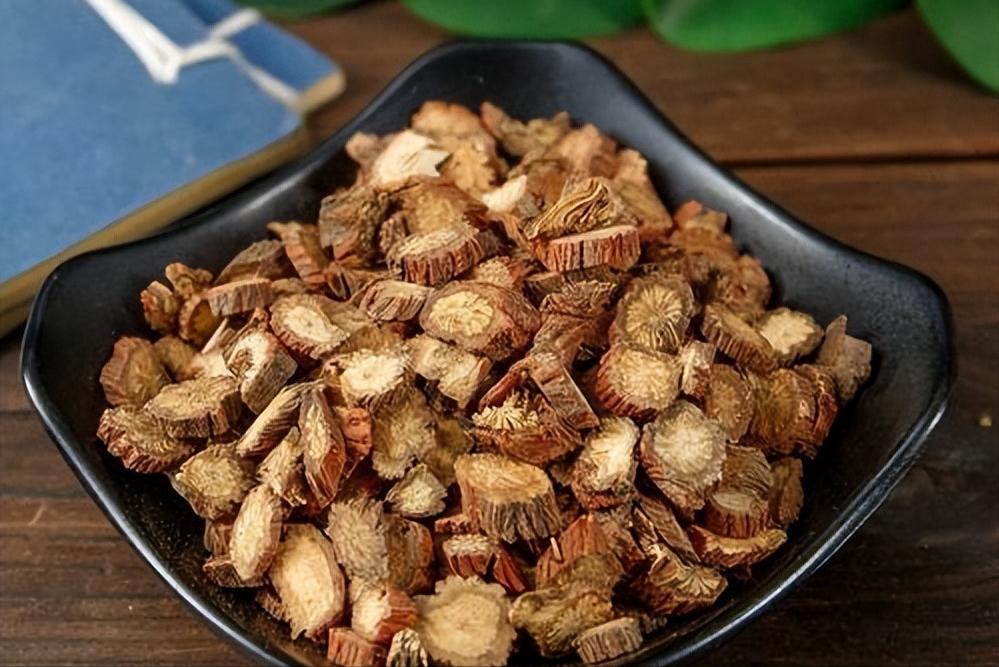
III. Hypochondriac distending pain and irritability? Chuanxiong Rhizoma for Liver Meridian Stasis.
Dull pain in the right upper abdomen, or a sense of fullness and discomfort under the ribs on both sides, accompanied by increased irritability and a tendency to get angry easily, along with possible dizziness, a feeling of pressure in the eyes, and a dry, bitter taste in the mouth—this cluster of symptoms is often related to the stagnation of qi and blood in the liver and gallbladder meridians. In Traditional Chinese Medicine, it is believed that "the liver governs free flow," responsible for regulating the movement of qi throughout the body. When qi stagnates for a prolonged period, blood follows and becomes stagnant as well. Cyperi Rhizoma is known as the "commander of qi disorders." It can guide medicinal effects into the liver meridian, excelling at dispersing liver qi stagnation. When qi flows, blood flows accordingly, thereby alleviating the distending pain and discomfort caused by blood stasis in the liver meridian.
IV. Sore and stiff lower back and knees? Achyranthes Bidentatae Radix for Stasis in the Lower Jiao.
Sharp pain and stiffness in the knees and lower back, difficulty bending forward or squatting, or a sensation of weakness, numbness, or a heavy feeling in both legs—these symptoms may indicate blood stasis obstructing the lower body (the lower jiao). Especially in the lumbar and knee areas, Traditional Chinese Medicine associates them closely with the liver and kidneys. Achyranthes Bidentatae Radix is an herb that can tonify the liver and kidneys, strengthen the bones, muscles, and waist and knees. More importantly, it has the ability to "guide blood downward." It directs the medicinal effects to the lower body, promoting blood circulation and clearing the meridians, thereby dissolving blood stasis accumulated in the waist, legs, and joints, restoring joint flexibility and leg strength.
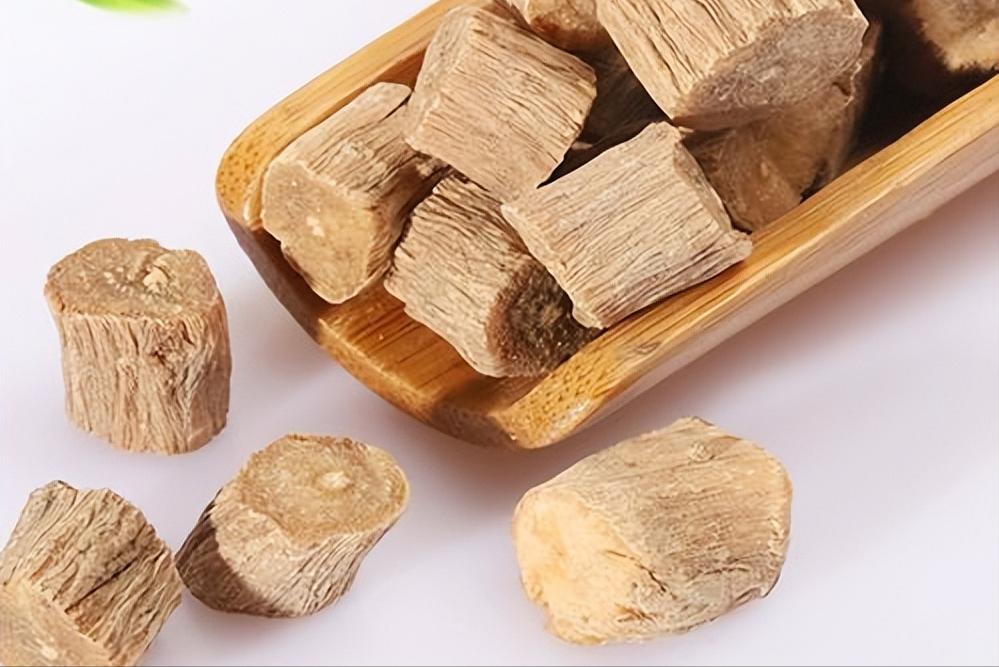
Simple summary:
Head and facial stabbing pain, dizziness, distension, and poor sleep: Consider Ligusticum Chuanxiong to ascend and unblock the collaterals.
Chest tightness, heart pain, palpitations, and shortness of breath: Consider Danshen (Salvia miltiorrhiza) for promoting blood circulation in the heart.
Hypochondriac pain with irritability and bitter taste in the mouth: consider Cyperus rotundus (Xiang Fu) to soothe the liver, regulate qi, and promote blood circulation.
Pain, stabbing sensations, stiffness, and numbness in the lower back and knees: consider Achyranthes bidentata (Niu Xi) to tonify the liver and kidneys, guide blood downward, and unblock the collaterals.
Important reminder:
Blood stasis is an important yet complex concept in Traditional Chinese Medicine, with diverse symptomatic manifestations. The medications mentioned above each have their own specific focuses, but in practical application, they often need to be combined according to individual constitution and specific conditions. If you notice similar discomfort in your body, it is strongly recommended to consult a professional TCM practitioner for pattern differentiation and treatment. Only after a clear diagnosis should targeted adjustments be made; avoid self-medicating blindly. Maintaining a cheerful mood, engaging in moderate physical activity, and having a balanced diet in daily life can also help promote smooth qi and blood flow, preventing the formation of blood stasis.