Tangerine Peel and Pinellia Are Good for Reducing Phlegm, but Both Have Their Shortcomings. Master This Most Comprehensive Traditional Chinese Medicine
When the seasons change, or even with just a slight breeze that makes you catch a chill, many people start feeling like there's a "fish pond" in their throats—phlegm that's hard to cough up or swallow, which is extremely uncomfortable. When it comes to dispelling phlegm, the first thing that likely comes to mind is dried tangerine peel.
Steeping dried tangerine peel in hot water is indeed an old habit for many people. Dried tangerine peel can regulate qi, strengthen the spleen, dry dampness, and dispel phlegm. It works well for phlegm caused by poor spleen and stomach function and excessive dampness. However, its drying nature is also quite pronounced—much like how continuous sunlight on a damp patch of ground will eventually cause it to crack. Similarly, prolonged use of dried tangerine peel can easily deplete the body’s fluids, leading to dry mouth and thirst, making it less suitable for individuals with yin-deficient constitutions.
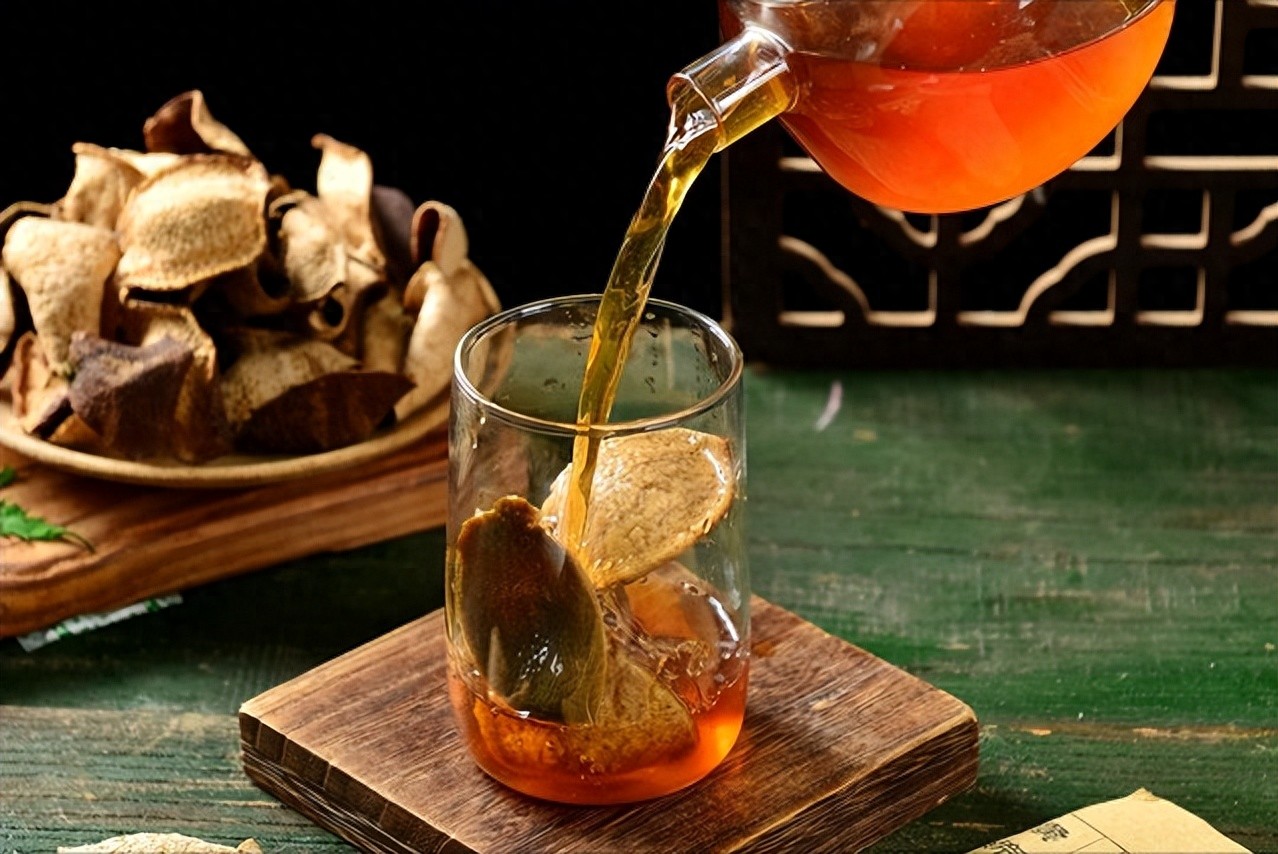
There's another powerful herb called pinellia tuber, which has a stronger effect on dispelling phlegm. However, its nature is drying and intense, and it carries a bit of a "temper" (being slightly toxic), so it must undergo strict processing before use. Typically, doctors prescribe it in formulas based on an individual’s constitution—it’s not suitable for us to brew daily as a long-term tea.
So, is there an herb that can effectively dispel phlegm, has a mild nature, and is less likely to harm the body?
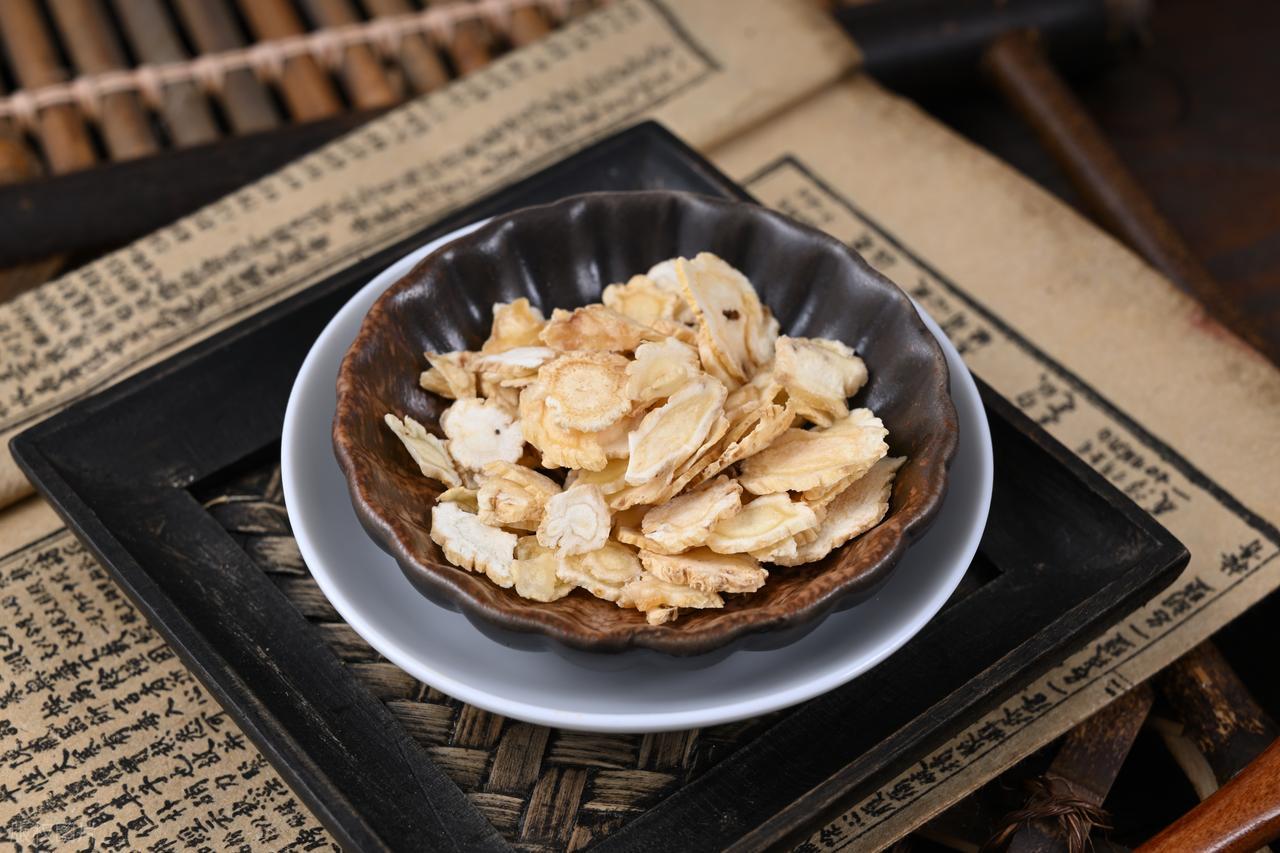
Certainly there is. Today, let me introduce you to this "respiratory tract scavenger"—Platycodon grandiflorus.
Platycodon Root: Not Just for Opening the Throat, but Also a Key to "Opening the Lungs"
Many people know that Platycodon grandiflorus can soothe the throat and promote vocalization, often used in tea when experiencing throat discomfort. However, this only captures half the picture.
From the perspective of traditional Chinese medicine, the most fundamental ability of Platycodon grandiflorus is to "disperse lung qi." What does this mean? Think of our lungs as a jar filled with phlegm and dampness, sealed tightly with a lid, trapping the contents inside and causing chest tightness and shortness of breath. Platycodon grandiflorus is the key that can "lift the lid off the teapot."
Once it enters the body, it disperses the lung qi upward and outward, effectively opening the lid of the jar and allowing the phlegm and turbid qi inside to be expelled smoothly. This is why traditional Chinese medicine often says that Platycodon grandiflorus "carries medicine upward." It acts like a guide, delivering the efficacy of other phlegm-resolving medicines directly to the affected area (the lungs) with remarkable efficiency.
Because of its mild and balanced medicinal properties (bitter and pungent in flavor, neutral in nature), it is neither overly cold nor overly hot, making it suitable for tackling both cold phlegm and heat phlegm, acting as a "pioneer" in either case. Next, I will introduce two classic combinations that can be easily applied at home to address common issues of excessive phlegm.
1. Dealing with "Damp Phlegm"—Excessive, White, Sticky Phlegm with Chest Tightness
Symptoms: Excessive coughing with phlegm, where the phlegm is white or clear, thin in texture, large in volume, and easily expectorated. Often accompanied by a feeling of chest tightness, poor appetite, and a thick, white coating on the tongue upon examination.
Golden Combination: Platycodon Root + Poria Cocos + Tangerine Peel
Combination Rationale:
Platycodon (Sovereign Herb): Responsible for opening the lung's gate, dispersing phlegm-dampness from the lungs outward.
Tangerine Peel (Minister Herb): Compared to aged tangerine peel, its action in drying dampness and transforming phlegm is more focused and powerful, serving as the "main force" in phlegm transformation.
Poria (Assistant Herb): This is the finishing touch. In Traditional Chinese Medicine, it is said, "The spleen is the source of phlegm production, and the lungs are the container for storing phlegm." Merely expelling phlegm from the lungs addresses the symptoms, but the root cause lies in the decline of the spleen and stomach's ability to transport and transform fluids. Poria is an expert in fortifying the spleen and draining dampness; it reduces phlegm production at its source by expelling dampness through urination.
This combination treats the upper burner (lungs) with platycodon and the middle burner (spleen) with poria—one "opens the upper source," and the other "clears the lower source"—addressing both the root and the manifestations, leaving no place for dampness and phlegm to hide in the body.

2. Addressing "Hot Phlegm" - Yellow, thick phlegm with a sore, swollen throat
Symptoms: The phlegm coughed up is yellow or green, sticky and thick, making it difficult to clear completely. The throat is dry and painful, even red and swollen, and the person is prone to thirst and irritability.
Golden Combination: Platycodon Root + Zhejiang Fritillaria Bulb + Honeysuckle Flower
Platycodon Root (Monarch Herb): Opens lung qi, relieves throat discomfort, and clears the pathway for expelling phlegm.
Zhejiang Fritillaria Bulb (Minister Herb): This is a "specialized remedy" for clearing heat and resolving phlegm, particularly effective against stubborn, heat-induced phlegm that sticks in the throat. It not only resolves phlegm but also clears lung heat and moistens lung dryness.
Honeysuckle (Adjuvant): A familiar herb to everyone, known as the "fire extinguisher" for clearing heat and detoxifying. When your throat is red, swollen, hot, and painful, it indicates the presence of "fire toxin." Honeysuckle can quickly help extinguish this internal fire.
This combination sees Platycodon (桔梗) responsible for "opening the door" (facilitating expectoration and promoting lung qi), Zhejiang Fritillaria (浙贝母) for "resolving phlegm," and Honeysuckle for "extinguishing fire." The three work synergistically to clear heat, resolve phlegm, and soothe the throat effectively in one step.
Friendly reminder:
While herbal tea blends are beneficial, they are primarily for regulation and adjustment. Each person's constitution is different. If symptoms persist without relief or worsen, it is crucial to seek medical attention promptly and consult a professional traditional Chinese medicine practitioner for syndrome differentiation and personalized treatment. Sharing this knowledge aims to help everyone better understand their own bodies and avoid unnecessary detours on the path to health preservation.