Sweat at the Groin Needs Liver-Clearing, Sweat on the Nose Needs Spleen-Fortifying, Sweat on Palms and Soles Needs Yin-Nourishing
Sweating is a normal physiological process that regulates body temperature, but if you notice sweat frequently concentrating in specific areas like the groin, the nose, or the palms and soles, and it feels uncomfortable, this might be your body "reminding" you that its internal state needs adjustment. In Traditional Chinese Medicine (TCM), observing these specific areas of sweating can often be linked to the functional status of the internal organs (Zang-Fu).
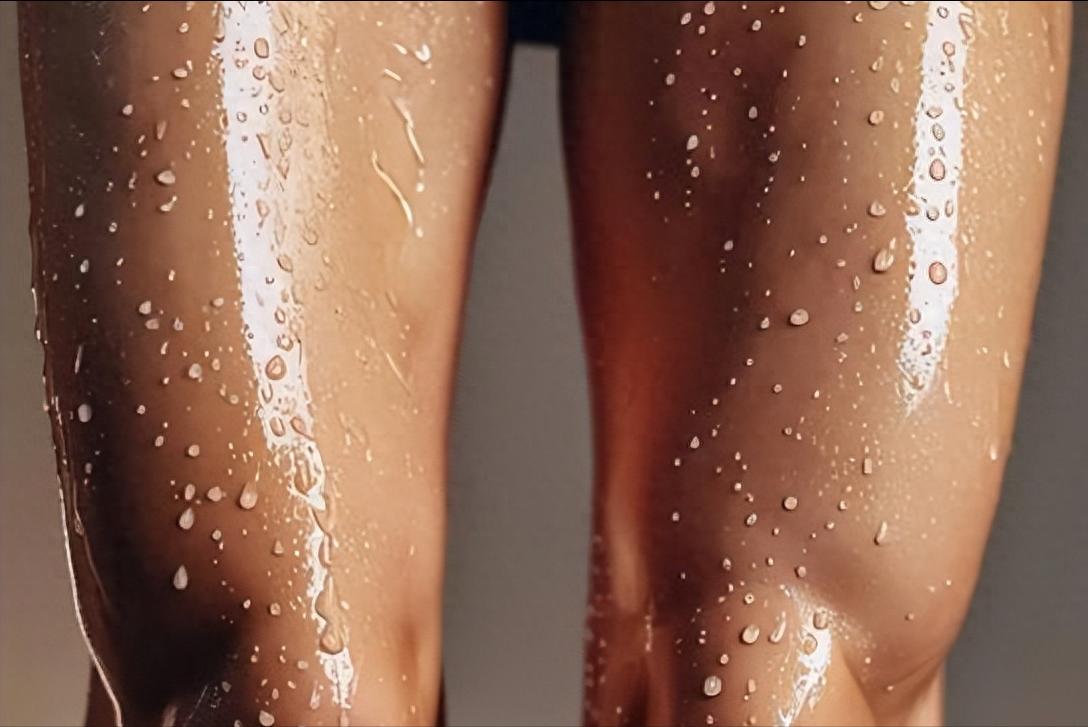
1. Persistent sweating in the groin or private areas, feeling damp and itchy?—Be cautious of Damp-Heat in the Liver Meridian.
Common scenario: Besides excessive sweating and dampness in the thigh crease and private areas, there may also be accompanying odor, itching, yellow and scant urine, sticky stool that clings to the toilet, and a bitter, sticky sensation in the mouth. Men may experience noticeable dampness in the scrotum.
Traditional Chinese Medicine perspective: This is often related to "damp-heat descending along the Liver Meridian." The inner side of the thigh crease is an important area along the Liver Meridian pathway. The liver governs free flow. If stagnant liver qi transforms into heat over time, or if the diet is habitually greasy, spicy, or includes alcohol consumption, damp-heat is prone to form. When damp-heat descends along the Liver Meridian and becomes obstructed in the lower body, it leads to excessive sweating, dampness, and itching in these areas, and can affect urination and defecation.
Treatment approach: The core principle is to "clear liver heat and drain damp-heat." Lifestyle adjustments include eating a light diet, reducing intake of rich, sweet, greasy foods and alcohol, wearing breathable cotton underwear, and keeping the area dry. Under accurate pattern differentiation, TCM often employs formulas that clear and drain damp-heat from the liver and gallbladder, and drain damp-heat from the lower jiao, such as Longdan Xiegan Tang (Longdan Xiegan Wan/Pills). Caution: These clearing and draining formulas are relatively cold in nature and should not be taken long-term. They are contraindicated for those with spleen-stomach deficiency-cold and during pregnancy. Must be used under the guidance of a qualified practitioner.
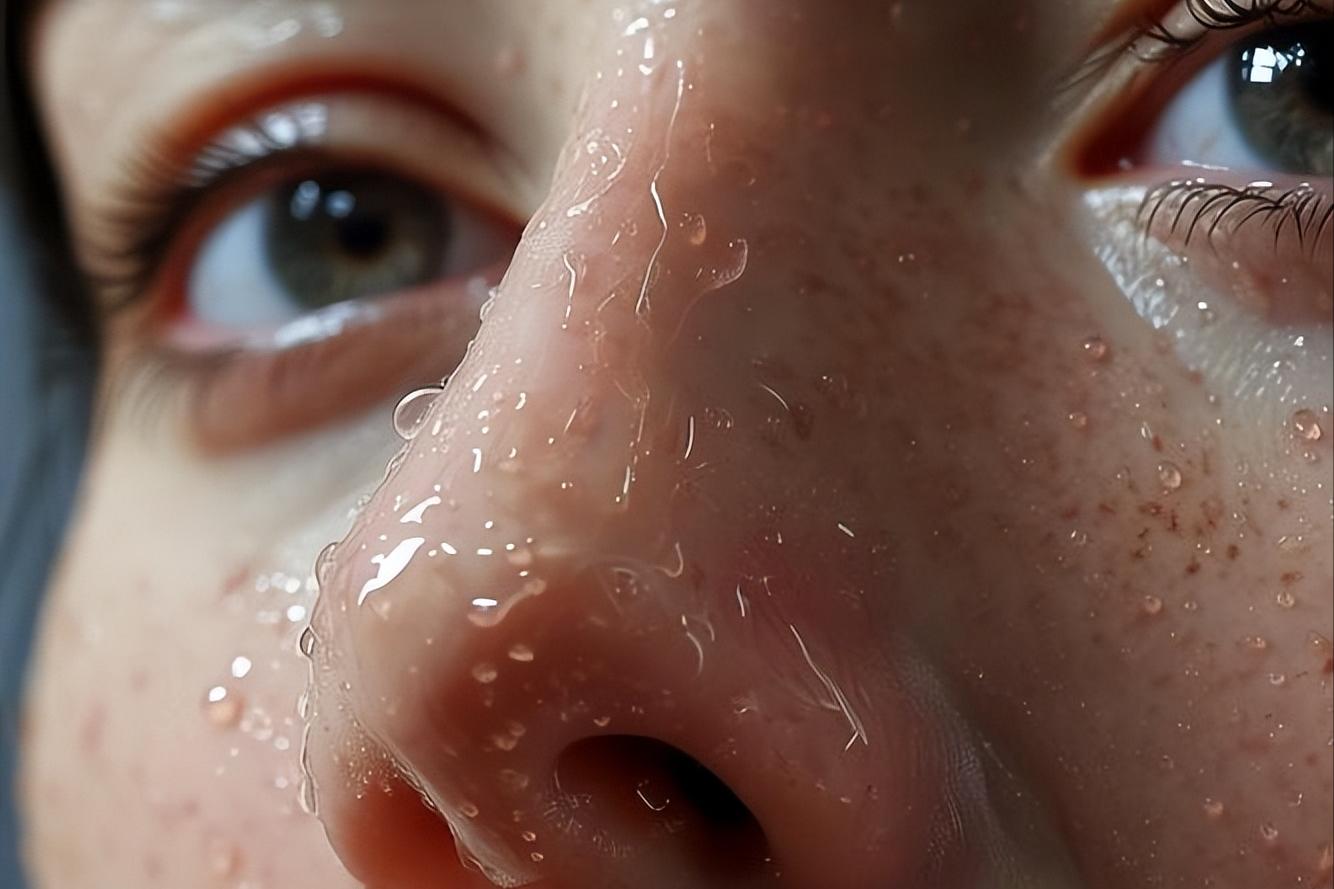
2. Persistent sweating on the nose, easily fatigued, and frequent colds? — Possibly due to spleen qi deficiency.
Common situation: The tip of the nose sweats easily—just a bit of activity or a meal can make it glisten. Usually, one feels lacking in energy, reluctant to speak, has an average appetite, and tends to experience bloating after meals. Resistance is relatively weak, and changes in weather easily lead to sneezing and catching colds.
From a Traditional Chinese Medicine perspective: TCM believes that the spleen governs the muscles, opens into the mouth and nose, and is also responsible for transporting and transforming fluids and dampness, as well as the defensive qi (resistance). When spleen qi is deficient, on one hand, the ability to secure and control body fluids decreases, and sweat tends to emerge from the tip of the nose (governed by the spleen). On the other hand, spleen deficiency leads to insufficient production of qi and blood and a weakened defensive qi, making one prone to fatigue, low resistance, and recurrent colds.
Approach to regulation: The focus is on "strengthening the spleen and boosting qi." Pay attention to regular eating habits in daily life—avoid skipping meals or overeating, and reduce consumption of raw, cold, and overly cooling foods that can damage the spleen. Incorporate foods like Chinese yam, millet, and pumpkin to nourish the spleen and stomach. TCM regulation commonly adopts the approach of supplementing the middle and boosting qi, using formulas such as Bǔ Zhōng Yì Qì Decoction (Pill), which help elevate spleen qi and enhance its securing and defensive abilities.
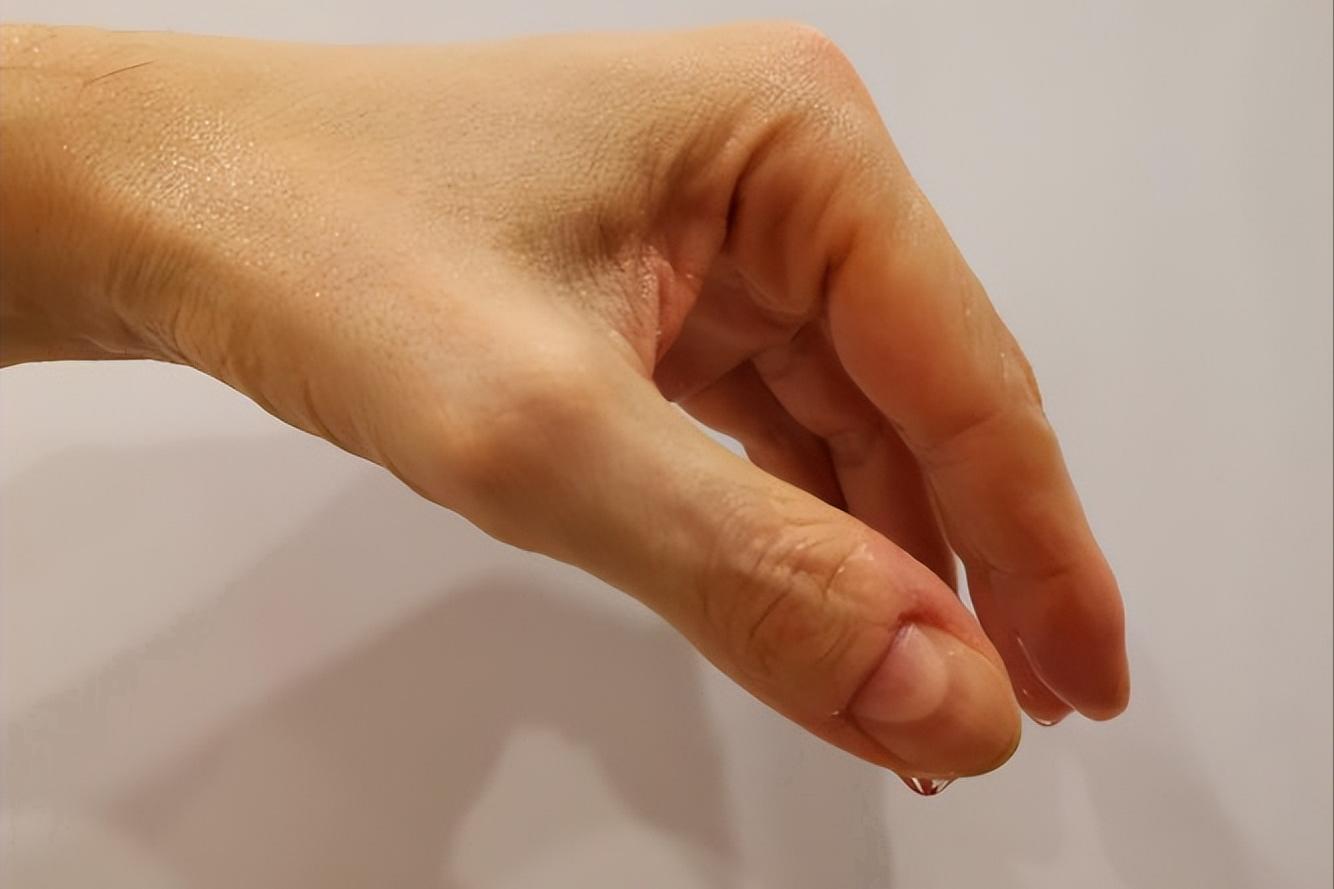
3. Palms and soles sweaty as if washed, with inner restlessness and poor sleep? — Possibly due to yin deficiency with fire effulgence.
Common scenario: The palms of the hands and soles of the feet are particularly prone to sweating, feeling damp, even as if soaked with water. Often, there is a sensation of inner restlessness, with the palms and soles feeling slightly warm, or experiencing intermittent feverish sensations in the afternoon or evening (hot flashes). Night sweats occur easily during sleep (nocturnal sweating), and the sweating stops upon waking. This may also be accompanied by dry mouth and throat, poor sleep quality, and being easily awakened.
Traditional Chinese Medicine Perspective: This is often classified as "yin deficiency with effulgent fire." When the yin fluids (the "moistening water" in the body) are insufficient and cannot restrain the yang energy, a deficient fire is generated. This deficient fire disturbs the interior, forcing the body fluids outward, which leads to sweating, particularly in the palms and soles (where the yin meridians converge). Simultaneously, the deficient fire agitates the heart-mind, resulting in restlessness, insomnia, and night sweats.
Treatment approach: The key is to "nourish yin and clear fire." It is essential to avoid staying up late (which most damages yin) and reduce the consumption of spicy and drying foods (such as grilled, fried foods). Consider incorporating mild yin-nourishing foods like lily bulbs, tremella fungus, and pears. Traditional Chinese medicine commonly employs formulas to nourish yin and clear deficient fire, such as Zhi Bai Di Huang Tang (Pill), which adds fire-clearing herbs on the foundation of yin nourishment. Note: For cases of simple kidney yin deficiency without obvious signs of internal heat, Liu Wei Di Huang Wan might be used; Zhi Bai Di Huang Wan is appropriate when there are signs of deficient fire (dry mouth, sore throat, restlessness, etc.). Professional diagnosis and syndrome differentiation by a practitioner are required.
Real Case Study:
A patient who left a deep impression on me was Mr. Wang, a 35-year-old sales professional. His main complaint was excessive dampness and sweating in the groin and scrotal area, which became particularly severe in the summer, accompanied by intense itching, dark yellow urine, and a bitter taste in his mouth. He mentioned that due to frequent social engagements, he consumed a lot of tobacco, alcohol, and greasy foods. Upon examination, his tongue coating was yellow and greasy, and his pulse was wiry and slippery. This is a classic case of damp-heat in the Liver Meridian descending downward. After advising him to adjust his diet and wear breathable clothing, I prescribed a formula based on TCM syndrome differentiation to clear and drain damp-heat from the liver and gallbladder (incorporating principles similar to those of Longdan Xiegan Tang). After adhering to the treatment for about a month, he reported significant improvement in the dampness in his groin, with itching nearly gone, urine much clearer, and an overall feeling of lightness and freshness.
Important reminder:
First differentiate the pattern, then regulate: The sweating locations and corresponding regulation approaches mentioned above are common associations in Traditional Chinese Medicine, but they cannot be rigidly applied! Everyone's constitution and specific condition are different. For example, sweating on the palms and soles could be due to reasons other than yin deficiency (such as simple nervousness, damp-heat in the spleen and stomach, etc.). It is essential to consult an experienced TCM practitioner for a comprehensive diagnosis using the four diagnostic methods (inspection, listening/smelling, inquiry, and palpation).
Chinese patent medicines are for reference only: The mentioned Chinese patent medicines (Longdan Xiegan Wan, Buzhong Yiqi Wan, Zhibai Dihuang Wan) represent common regulation directions, but whether they are suitable for you specifically requires a physician's decision based on your detailed condition. Sometimes, customized herbal decoctions or other complementary methods may be necessary. Do not purchase and take them arbitrarily on your own.
Lifestyle habits are fundamental: Regardless of the situation, adjusting diet, rest patterns, and emotional state forms the foundation for improvement; relying solely on medication is insufficient.
Do not ignore the body's small signals. Understanding the underlying causes allows for better self-care. However, it is safer to leave professional matters to professionals for judgment.