How to Tell if a Man’s Kidneys Are Healthy: Look at Hair Growth in These 3 Areas—Share with Your Bros
Whether a man has sufficient kidney qi can actually be inferred from the hair in a few areas of his body. Traditional Chinese Medicine emphasizes that "what lies within manifests externally." As the kidney is the foundation of innate vitality, its condition is directly reflected in external bodily characteristics. If you notice something off with the hair in the following three areas, you should pay attention to your kidney health.
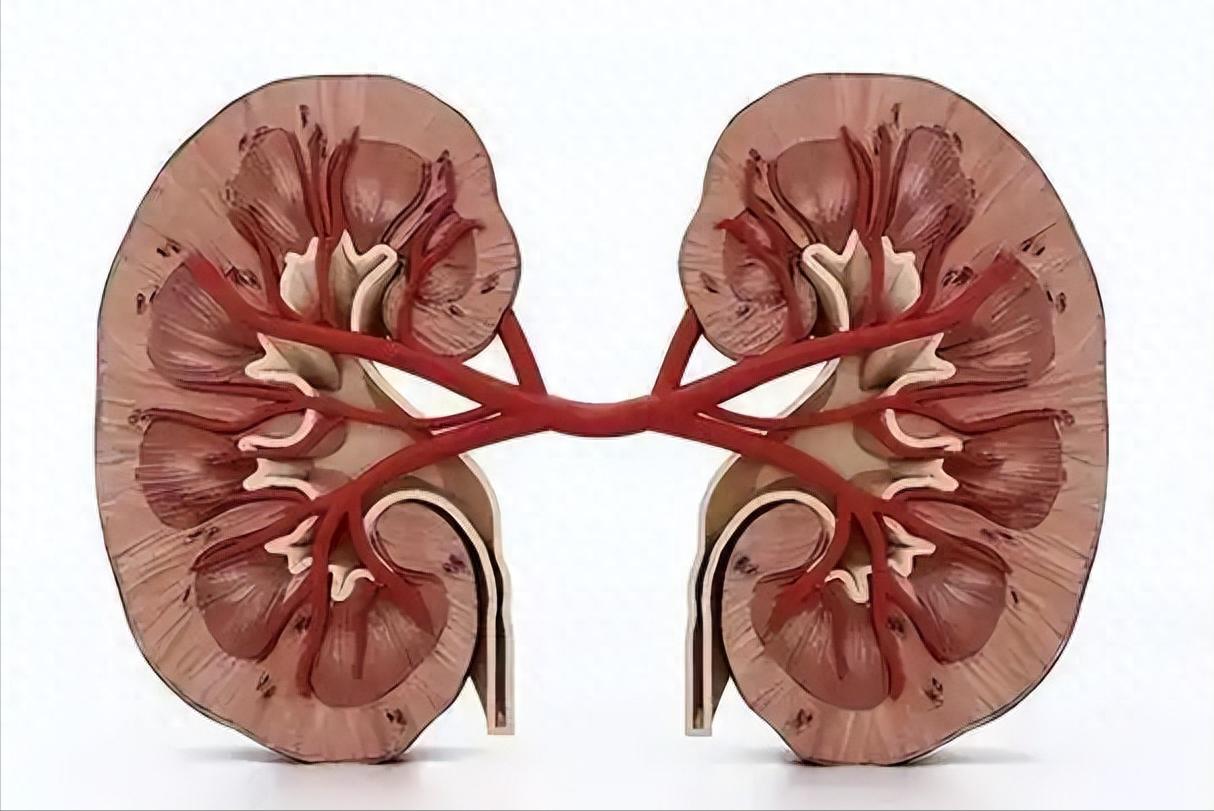
First, let’s talk about hair. In Traditional Chinese Medicine, it is believed that "the kidney stores essence, and its vitality manifests in the hair." Kidney essence acts like a "nutrient fluid" for the hair. When kidney essence is abundant, the hair is dark, shiny, thick, and experiences minimal hair loss. If kidney essence is deficient and essential blood cannot reach the top of the head, hair tends to turn gray, become dry and brittle, and may even fall out in large clumps. Be particularly alert to a receding hairline forming an "M-shape," as this is often an early signal of insufficient kidney qi. Nowadays, many young men in their early twenties experience baldness. Aside from genetic factors, this is also strongly related to staying up late, which harms the kidneys.
Now, let's look at facial hair. Kidney yang is like the body's "small furnace." Those with sufficient kidney yang have vigorous hair follicle metabolism, leading to fast-growing, thick, sturdy, and dark facial hair. If kidney yang is deficient, it's like the furnace fire is weak—facial hair may become sparse, soft, and even prone to falling out. Some men may notice a sudden thinning of their facial hair in middle age. Instead of attributing it solely to aging, it's quite possible that kidney yang is in decline.

Finally, consider leg hair. Traditional Chinese medicine states that "the kidneys govern vital essence, which nourishes the legs." Men with abundant kidney qi typically have dense, dark, and evenly distributed leg hair. If kidney essence is deficient, leg hair may become sparse and yellowish, and the front of the lower legs may even appear bare. These individuals often feel cold easily and experience cold hands and feet in winter, which is actually a sign that kidney qi fails to warm and nourish the limbs.
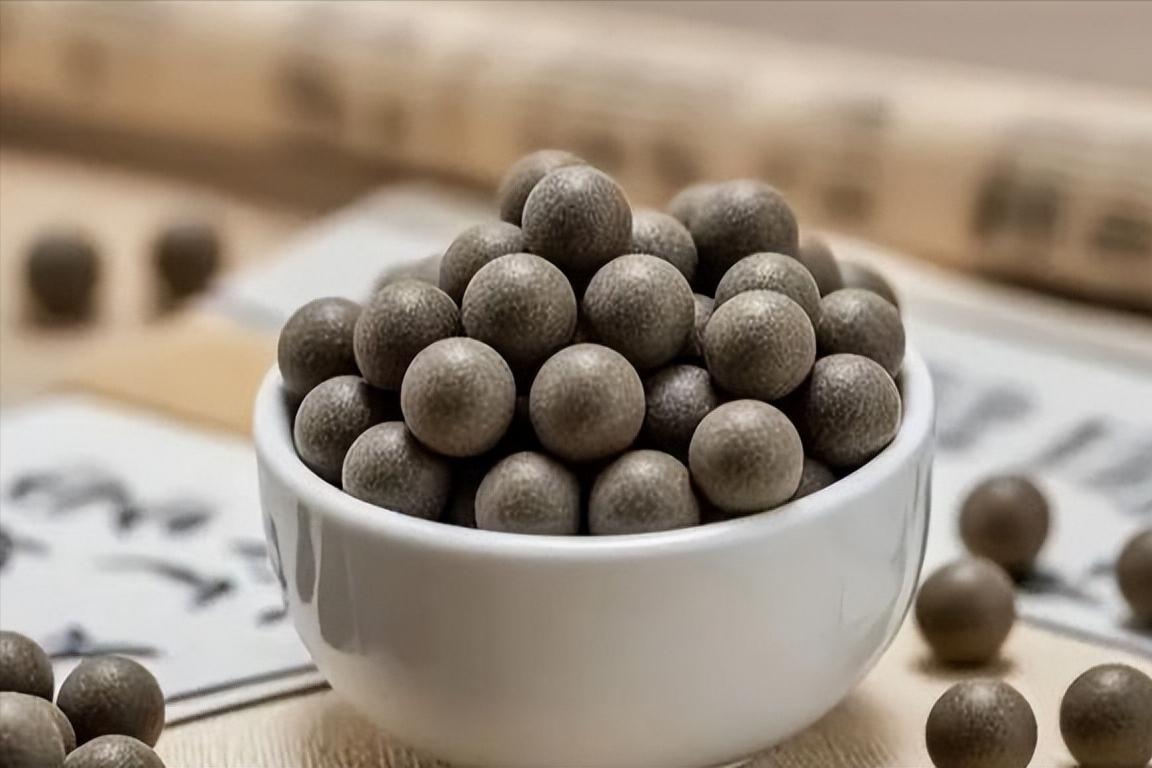
If abnormalities in two or more areas of hair growth occur simultaneously, accompanied by symptoms such as dizziness, ringing in the ears, sore lower back and weak legs, restless sleep at night, and lack of energy during the day, it may be indicative of dual deficiency of kidney yin and yang. In such cases, it's important not to rush into self-medication. Traditional Chinese medicine emphasizes treatment based on syndrome differentiation. While proprietary Chinese medicines like Jin Gui Shen Qi Wan can indeed help improve issues such as decreased sexual function and fatigue caused by dual deficiency of kidney yin and yang, they must be taken only after a professional TCM practitioner's diagnosis.
Daily lifestyle adjustments are even more crucial than medication. Remember three key points: First, avoid staying up late—aim to sleep by 11 PM, as this time is the golden period for nourishing the kidneys. Second, learn to manage stress, as prolonged mental tension is particularly damaging to the kidneys. Third, maintain a positive mood. Traditional Chinese medicine holds that "fear harms the kidneys," and emotions like anxiety and depression can directly affect kidney function. In daily life, it's beneficial to consume more black foods, such as black beans, black sesame seeds, and mulberries, which have kidney-nourishing properties. However, moderation is key, as overconsumption can burden the spleen and stomach.
Kidney health is like saving money—the more you overdraw when you're young, the bigger the problems you'll face when you're old. By detecting these signals and adjusting in time, you can "store" your kidney qi in abundance.