Stomach pain, bloating, and ulcers—brew brown sugar with one herb to drink, easily made in your home kitchen.
Stomach pain, bloating, acid reflux, heartburn, loss of appetite... These kinds of stomach troubles are something many people have experienced, especially friends who usually have high work pressure or are prone to holding in their anger. Many people, when feeling unwell, think about taking some painkillers or acid-suppressing medication to suppress it, but it often only treats the symptoms, not the root cause, and the problems recur repeatedly.
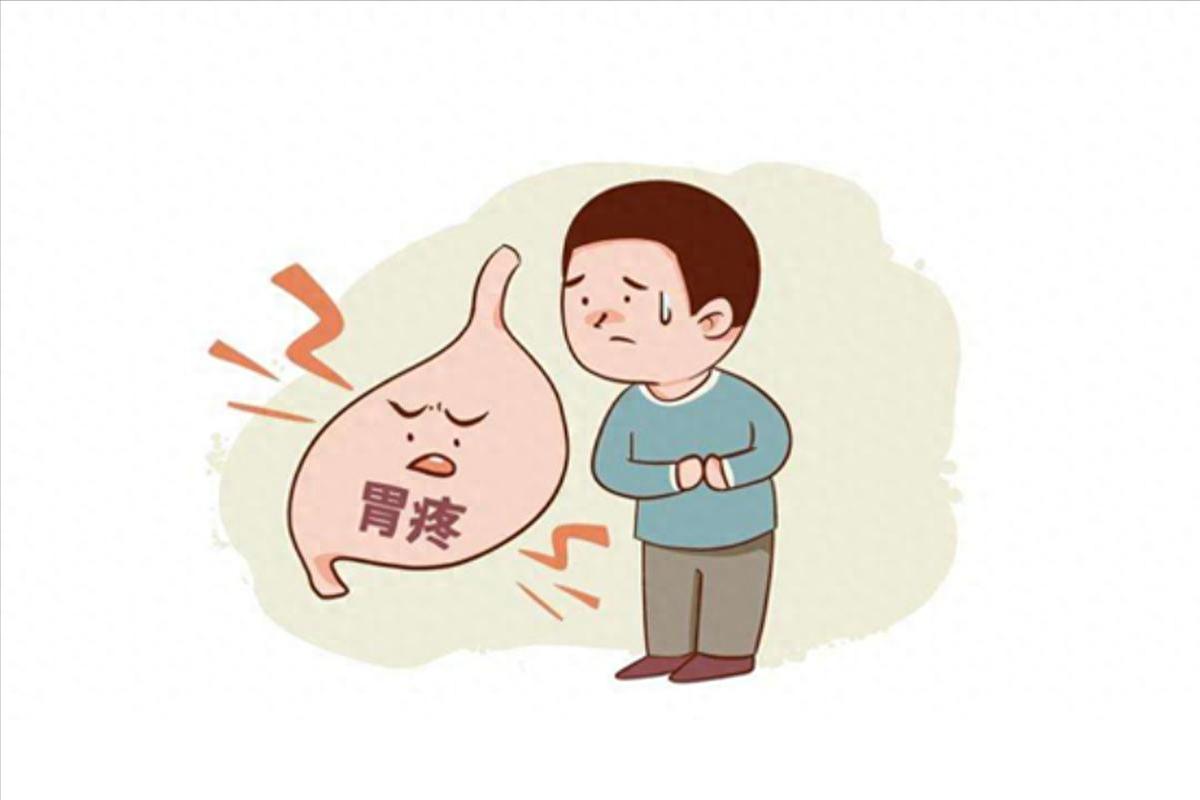
How does Traditional Chinese Medicine view these cases of "stomach disharmony"? Often, the problem isn't just with the stomach itself. Traditional Chinese Medicine states that "the liver governs free-flowing activity," responsible for the smooth circulation of qi throughout the body. If one has prolonged emotional distress or is prone to anger, it can easily lead to liver qi stagnation. When the flow of qi is blocked, it's like a major traffic jam, directly affecting the neighboring "spleen and stomach"—the digestive hub (in TCM, this is termed "liver qi invading the stomach" or "liver wood overacting on spleen earth"). Prolonged qi stagnation can also affect blood circulation (qi stagnation leads to blood stasis), and coupled with the resulting weakened function of the spleen and stomach itself (spleen deficiency), it easily gives rise to a series of symptoms like epigastric distending pain (feeling like something is pushing up), belching and acid reflux, nausea and vomiting, and poor appetite. Some people may also feel a cold sensation in their stomach, and feel even worse when eating something cold—this often involves a problem of spleen-stomach deficiency-cold as well.
Today I'm sharing a simple and practical stomach-warming remedy. You might already have the ingredients in your kitchen: brown sugar + cloves boiled in water.
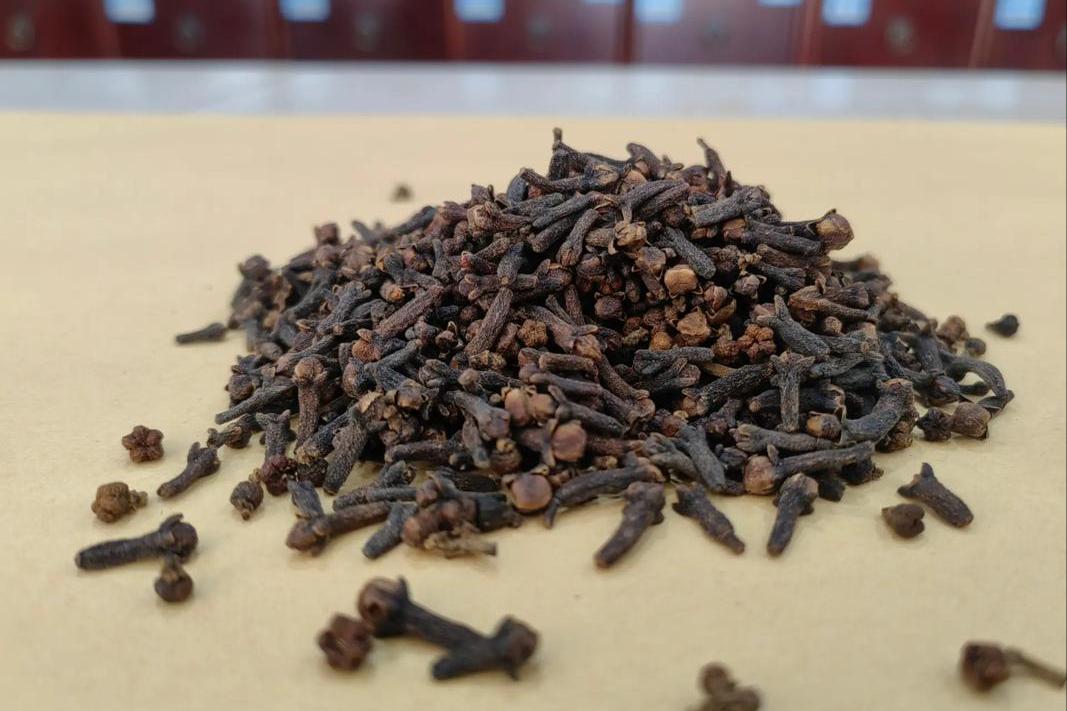
Cloves (3-5 grams): Don’t underestimate its small size. In traditional Chinese medicine, cloves are known as a "master" at warming the middle and dispelling cold. It can warm and regulate stomach qi, disperse cold from the stomach, and alleviate cold pain in the epigastric region, as well as nausea and vomiting caused by cold exposure or spleen-stomach deficiency-cold. Cloves also help lower rebellious qi and stop hiccups, providing relief for acid reflux and belching. (Note: Use medicinal clove buds, not ornamental cloves.)
Brown sugar (appropriate amount, approximately 10-15 grams): It has a warm nature and sweet taste, which helps nourish the middle and relieve urgency. It adds "warmth" to the spleen and stomach, alleviating stomach spasms and pain, while also balancing the flavor.
The preparation method is very simple:
Take 3-5 grams of cloves (about a small pinch) and 10-15 grams of brown sugar.
Place the cloves in a small pot and add about 300-400 milliliters of water.
Bring to a boil over high heat, then reduce to low heat and simmer for 10-15 minutes to allow the active components of the cloves to fully release.
Add brown sugar and stir to dissolve a few minutes before turning off the heat.
Filter out the clove residue and drink it while warm. It is recommended to drink it once a day, preferably about 1 hour after meals.
In what situations is this small remedy suitable?
For dull or cold pain in the stomach that feels better with warmth and gentle pressure.
Bloating and stomach pain worsen upon exposure to cold or consuming raw or cold foods.
Frequent belching and acid reflux, feeling as if gas is rising in the stomach.
Accompanied by nausea and poor appetite.
The tongue appears pale in color, with a possible white coating.
The core issue is: stomach discomfort triggered by emotional stress, accompanied by signs of deficiency and cold.
Take a real-life example: I once treated a patient, Ms. Wang, 42, who is an accountant. During the busy year-end period, she often worked overtime and stayed up late. Her child was facing academic pressure, and she frequently argued with her family. When she came to me, her main complaints were bloating and stomach pain, especially after meals and when she was upset. She also experienced frequent acid reflux, a poor appetite, and discomfort in her stomach after eating cold fruits, feeling a cold sensation inside. Upon examination, her tongue appeared pale with a white, greasy coating, and her pulse was wiry and fine. This is a relatively typical case of liver qi stagnation and spleen-stomach deficiency with cold. In addition to recommending that she try to regulate her emotions, maintain a regular diet, and keep her abdomen warm, I also suggested she try this clove and brown sugar water. She made a cup daily and, after about two weeks, happily reported that her bloating and stomach pain had improved significantly, acid reflux episodes had decreased noticeably, her appetite had slightly improved, and she no longer felt as "cold" or "stuck" in her stomach. Of course, emotional management and a regular lifestyle remain the foundation.

Special Reminder:
Differentiation of syndrome is crucial: This formula primarily targets stomach discomfort due to liver depression and qi stagnation combined with spleen-stomach deficiency cold. If your stomach pain is burning in nature, accompanied by dry mouth, bitter taste, red tongue, and yellow coating, it may indicate stomach heat or stomach yin deficiency. In such cases, consuming this warming formula is unsuitable and may even worsen symptoms. For clear organic issues such as gastric ulcer or reflux esophagitis, it is essential to consult a doctor for proper diagnosis and treatment first. This formula can only serve as an adjunct for regulation.
Clove should not be overused: Clove has a strong aroma, so the dosage should not be excessive (generally 3-5 grams is sufficient). Boiling it for too long or using too much may result in an overpowering taste and could easily irritate the stomach.
Moderate use of brown sugar: For diabetic patients or those with poorly controlled blood sugar, the amount of brown sugar should be used cautiously or under a doctor's advice.
Persistency is needed for effectiveness: Regulating the spleen and stomach is a gradual process, especially when related to emotions. It requires persistence over a period of time (such as 1-2 weeks) along with adjustments in lifestyle habits to achieve stable results.
Stop if discomfort occurs: If you feel more discomfort in your stomach after drinking it, or experience any other discomfort, stop drinking immediately.
The spleen and stomach are the foundation of postnatal constitution; nurturing them provides the body with a solid base. If you also suffer from stomach issues like Ms. Wang, such as "stress-induced stomach problems" or "cold-sensitive stomach," you may consider trying this simple, warming tea beverage under professional guidance to offer some warm care to your hardworking stomach.