The Highest Level of Nourishing the Kidneys Is Strengthening the Liver; One Medicine Nourishes Both Liver and Kidneys, and a Healthy Liver Makes the Kidneys Stronger
As people reach middle age, many friends start thinking about nourishing their kidneys. If you have been trying to nourish your kidneys for a long time but still find it difficult to sleep soundly at night, often forget things during the day, suffer from lower back soreness and weak legs, and have significantly more frequent nighttime trips to the bathroom compared to your younger years, you should be cautious—focusing solely on nourishing the kidneys might be misguided.

I have seen too many such patients in my clinic. When you open their medical records, eight or nine out of ten are marked with "kidney deficiency," but upon closer inspection, very few are genuinely suffering from simple kidney deficiency. Instead, the majority are actually dealing with liver qi stagnation or liver depression and qi stagnation. Why is this the case? Our ancestors long ago stated that "the liver and kidneys share the same origin." They are like two trees with interconnected roots: the liver is the crown of the tree, and the kidneys are the roots. If you only water the roots without pruning the branches and leaves, how can the tree thrive?
Traditional Chinese medicine says "essence and blood share the same origin." The liver stores blood, and the kidneys store essence—these two are like an old pair of partners. Only when liver blood is abundant can kidney essence have a continuous source. Only when kidney essence is stable can liver blood settle comfortably within the blood vessels. So, friends who often feel "kidney deficiency" might want to check their pulse first. If the pulse feels tight and wiry, the edges of the tongue appear red, and you often sigh, get irritable, or experience internal heat, it’s likely due to stagnant liver qi. In that case, taking kidney-tonifying herbs will be of little help.
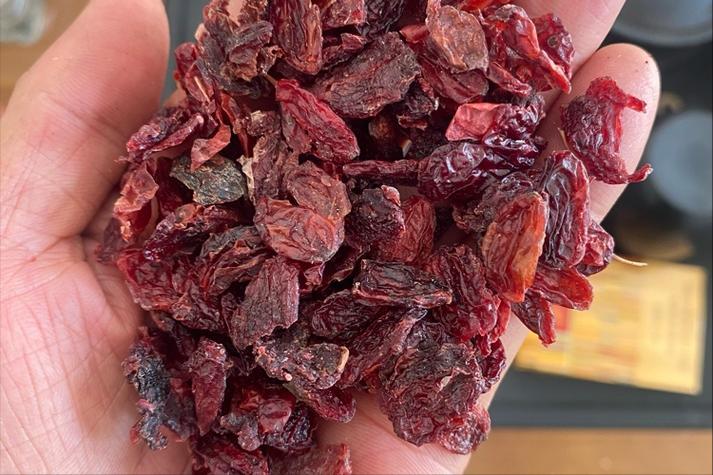
Here, a small fruit can come in handy—Cornus officinalis (山茱萸, shānzhūyú). This herb is known in TCM as a "dual-purpose agent" that can both nourish liver blood and consolidate kidney essence. It's like repairing a leaky roof by patching the tiles: while replenishing liver blood, it also prevents kidney essence from draining away. This is especially useful for middle-aged individuals facing work pressure and life’s daily hassles, which can easily lead to stagnant liver qi. Brewing about 10 grams of Cornus officinalis in water daily is gentle on the spleen and stomach and allows for gradual, steady regulation.
However, a word of caution: Cornus officinalis is somewhat sour and astringent in nature. If you usually have a poor appetite, feel bloated after eating, or are currently suffering from a cold or fever, it’s best to hold off. Nourishing the body is like farming: you need to check whether the soil is fertile and free of weeds before sowing seeds. Simply scattering seeds won’t yield good results.

Finally, here’s some heartfelt advice: In middle age, don’t always focus solely on tonifying the kidneys. First, regulate liver qi, and kidney qi will naturally strengthen. As the old saying goes, "When liver wood flows freely, kidney water becomes tranquil." The reasoning behind it is worth pondering—take your time to savor and reflect on it.