Insufficient Liver Blood, Insomnia, Blurred Vision—Teach You a Soup That Costs Just a Few Bucks for a Healthy Liver
Today, I'd like to talk to you about a quite common health issue—insufficient liver blood. In Traditional Chinese Medicine (TCM), the liver is seen as the body's "blood reservoir," responsible for storing and regulating blood. Moreover, the liver is closely related to the eyes; TCM says, "The liver opens into the eyes." Therefore, when there's not enough liver blood, the eyes are often the first to "protest." Symptoms like dryness, blurred vision, and tearing up easily in the wind tend to occur.
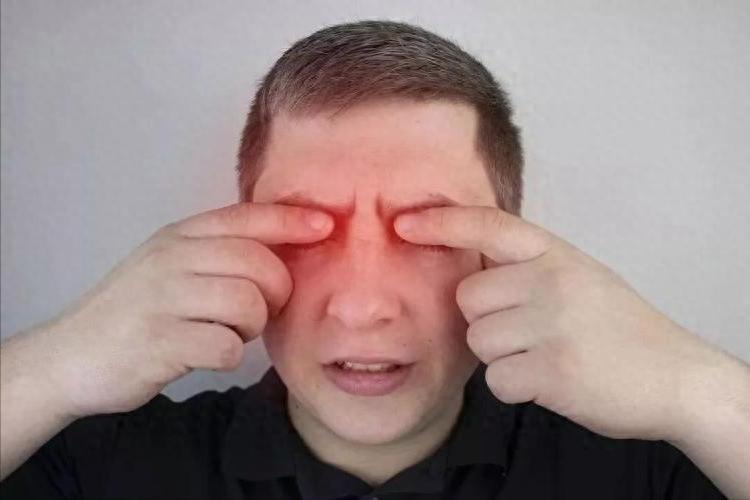
Real-life Case: Last week, I saw Ms. Zhang, who is just over 40 and works as a teacher. Her main complaint was: her eyes get tired and dry very easily, causing discomfort even after a short period of grading papers or looking at her phone. When she goes out cycling, her eyes tear up uncontrollably at the slightest breeze. At night, she tosses and turns in bed, unable to sleep, and when she does fall asleep, she often dreams and wakes up feeling extremely tired. Recently, she has also been experiencing occasional cramps and numbness in her fingers and calves. This is a classic example of insufficient liver blood affecting the eyes, sleep, and tendons.
Why does liver blood deficiency affect sleep and extremities? Traditional Chinese Medicine states that "the liver stores blood, and blood houses the soul." When liver blood is insufficient, the mind and spirit (soul) do not receive adequate nourishment from the blood, leading to restlessness, disturbed sleep with frequent dreaming and waking, a condition known as "the soul failing to keep its dwelling." Additionally, "the liver governs the tendons." The tendons and sinews throughout the body rely on the nourishment of liver blood to remain flexible and strong. If liver blood is deficient, the tendons do not receive sufficient "nourishment," making symptoms like numbness in the hands and feet, cramps, and even joint stiffness more likely to occur.
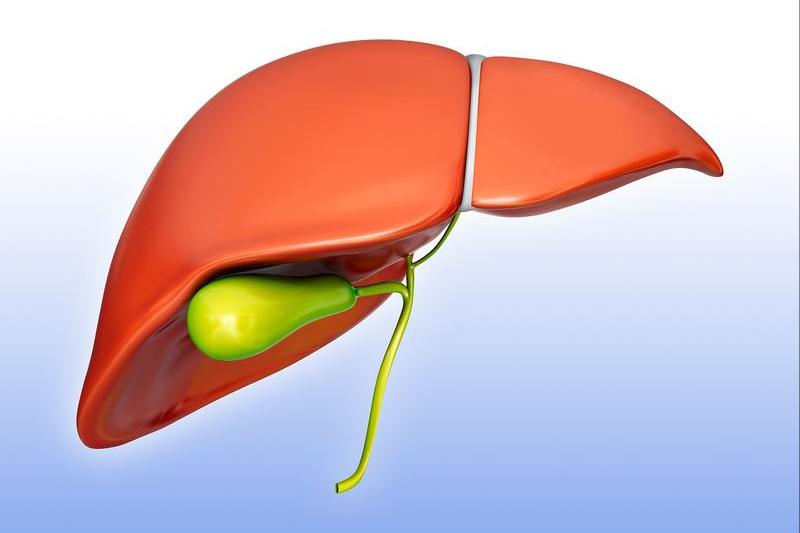
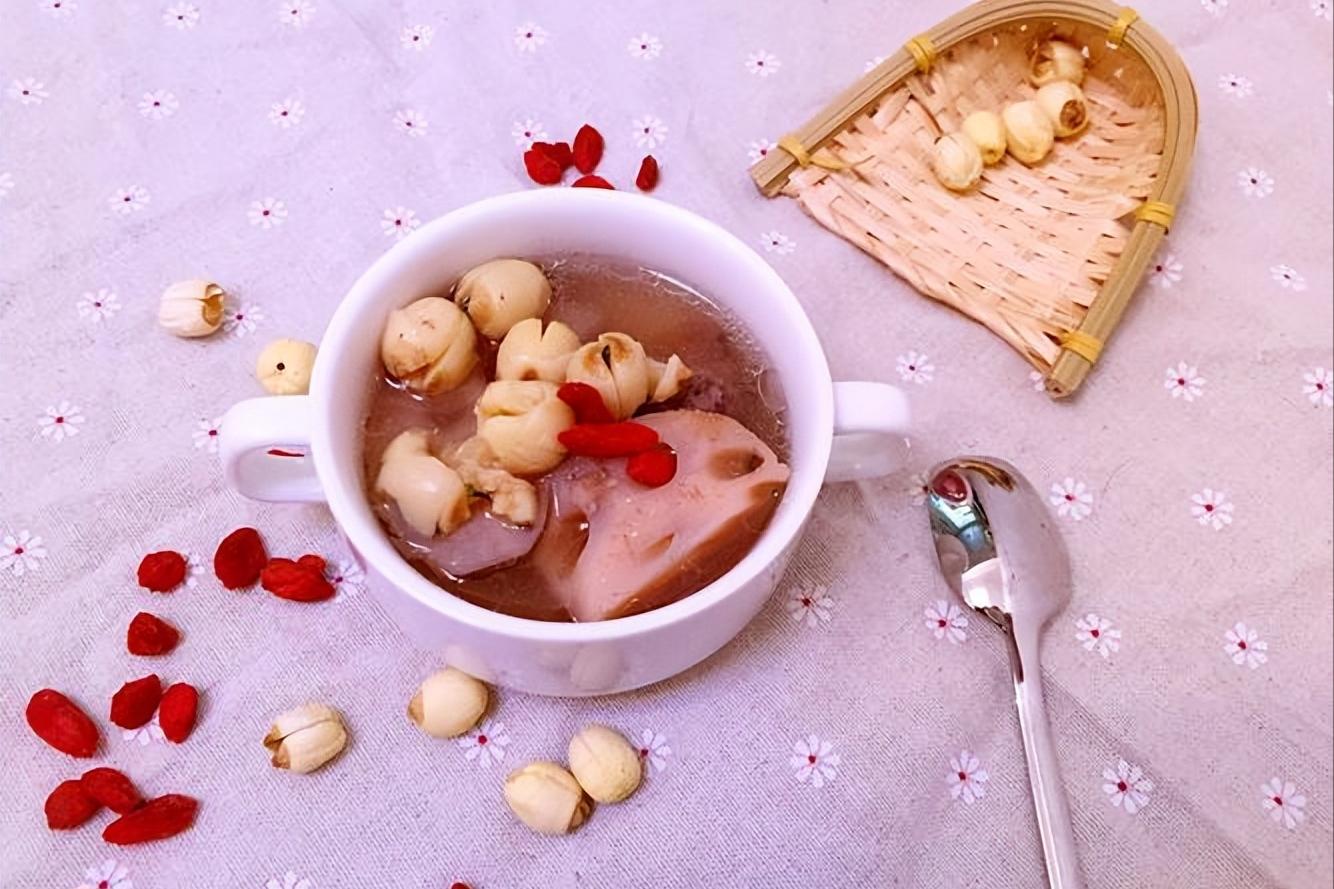
If you also experience similar troubles as Ms. Zhang—eye discomfort, poor sleep, or numbness/cramping in the extremities—don’t worry too much. TCM emphasizes gradual, step-by-step nourishment. Today, I’d like to recommend a simple, affordable dietary therapy that I often suggest in my clinical practice: Red Date, Goji Berry, and Lotus Seed Soup.
The preparation method is very simple:
Take 5 red dates (split and pitted for better flavor extraction), 10 grams of goji berries, and 10 grams of lotus seeds with the core (the lotus seed core, though slightly bitter, is effective for calming the mind and soothing the spirit).
First, add the red dates and lotus seeds to a pot with an appropriate amount of water, and simmer for about 15 minutes.
Add goji berries and rock sugar (approximately 10g, adjust according to taste), then continue cooking for 5 minutes.
What are the benefits of this small soup recipe?
Red dates tonify the middle and boost qi to nourish blood; goji berries tonify the liver and kidneys, benefiting essence and improving vision; lotus seeds with cores can both strengthen the spleen and nourish the heart to calm the spirit. Combined, these ingredients focus on nourishing liver blood, tonifying the liver and kidneys, and calming the mind to aid sleep. It is particularly suitable for those who often strain their eyes, experience high stress, have poor sleep, and feel a bit "depleted" in their bodies, serving as a supportive daily tonic.
Reminder: Dietary therapy requires persistence. If symptoms are obvious or persist for a long time, it's best to consult a professional TCM practitioner for in-person diagnosis and treatment, which is more reliable through syndrome differentiation and tailored therapy. Stick with the tonic regimen to replenish liver blood, and a state of bright eyes, restful sleep, and nimble hands and feet will naturally return!