Pairing Cuscuta This Way Nourishes the Liver for a Good Complexion and Strengthens the Kidneys for Longevity
Today, I'd like to chat with you about a commonly used and excellent herb in andrology—Cuscuta chinensis (Tu Si Zi). The beauty of this herb lies in its mild nature; it neither over-supplements to cause excessive heat in the body nor is it too cloying to harm the spleen and stomach, making it particularly easy and safe to use. Below, I’ll share three practical pairings of Cuscuta that not only nourish the liver for a good complexion but also strengthen the kidneys for longevity. Friends who find this useful may wish to take notes.
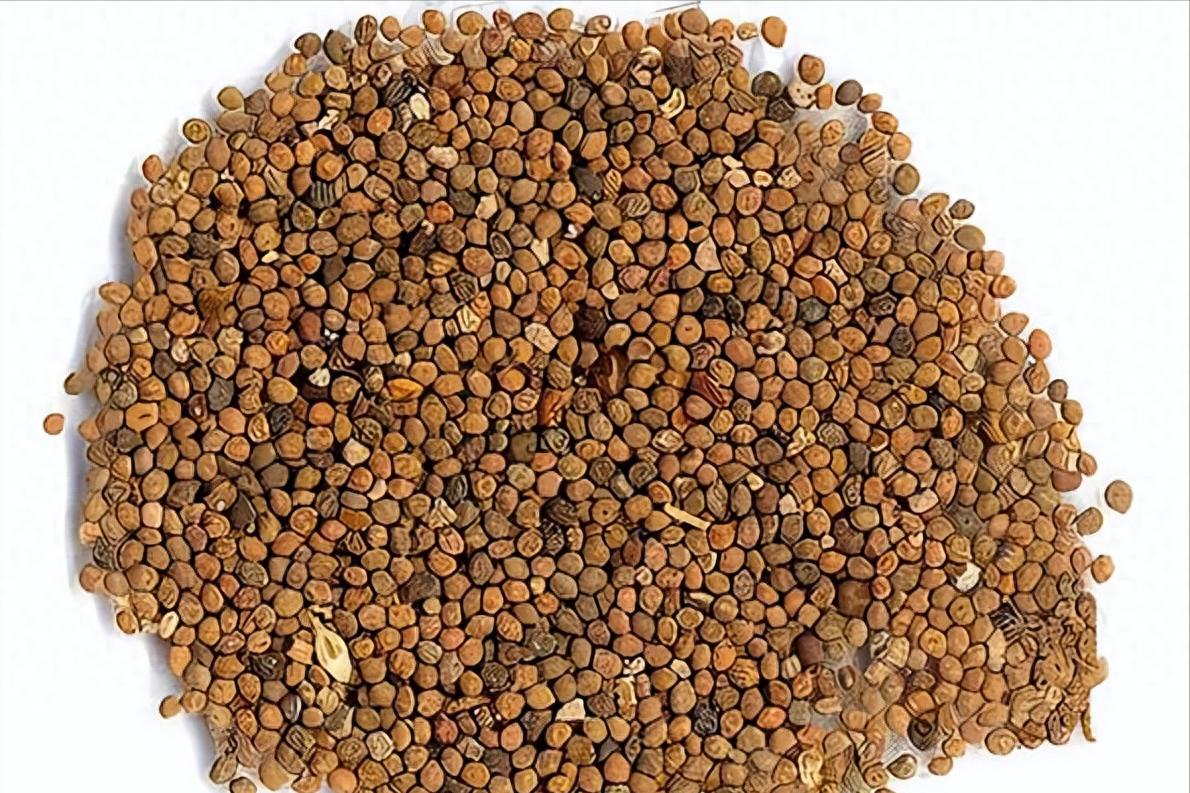
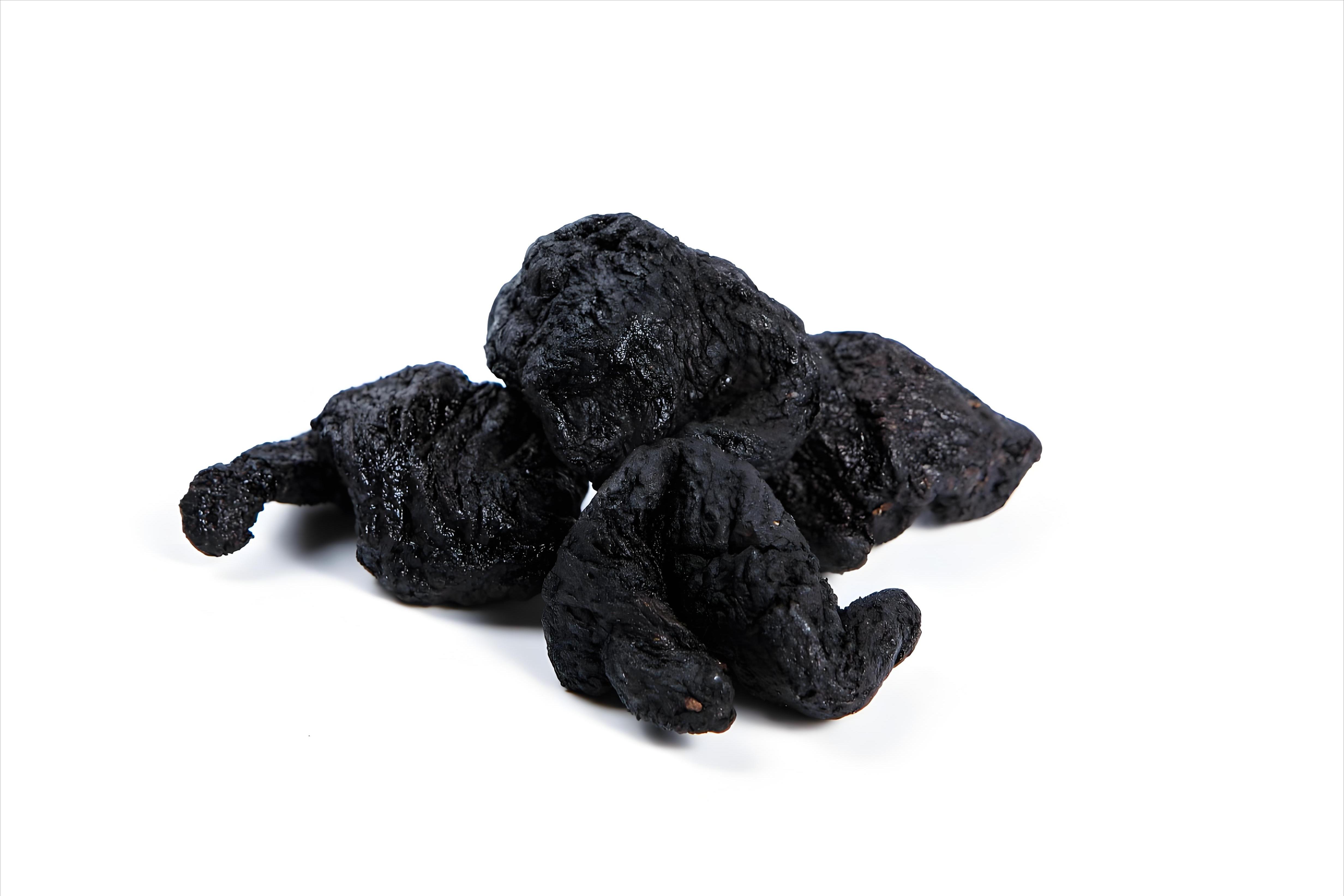
First, let’s talk about the first pairing: Cuscuta with Rehmannia glutinosa (Shu Di Huang). If you often feel dry mouth and throat, no matter how much water you drink, it doesn't quench your thirst, experience dizziness, have cold hands and feet, and generally feel listless and lacking energy, then stick out your tongue and take a look. If you see a sunken area at the root of your tongue, this mostly indicates both yin and yang deficiency of the kidneys. In Traditional Chinese Medicine, the kidneys are considered the foundation of innate constitution (the "root of life"). A yin-yang imbalance is like having insufficient fire and water on a stove. At this point, using Cuscuta paired with Rehmannia glutinosa is like adding firewood and water to the stove, helping to tonify both the yin and yang aspects of the kidneys. Rehmannia glutinosa is a seasoned veteran for nourishing yin and enriching blood, while Cuscuta warms yang without damaging yin. The combination of these two herbs is particularly suitable for such cases of dual deficiency of yin and yang.
Now for the second combination: Cuscuta seeds paired with goji berries. Nowadays, many people overuse their eyes, and if you often feel dryness in your eyes, blurred vision, accompanied by issues like premature ejaculation or nocturnal emissions, it’s likely due to liver and kidney yin deficiency. Traditional Chinese Medicine believes that the liver opens into the eyes, and the kidneys govern reproduction. Liver and kidney yin deficiency is like a lightbulb lacking electricity—the eyes naturally won’t be bright, and reproductive function will also be affected. At this point, using cuscuta seeds with goji berries is like connecting the lightbulb to a power source. Goji berries nourish the liver and kidneys and improve eyesight, while cuscuta seeds tonify the kidneys and benefit essence. When combined, they both nourish the liver and brighten the eyes, while also improving reproductive function, making them particularly suitable for office workers who often stay up late or overuse their eyes.
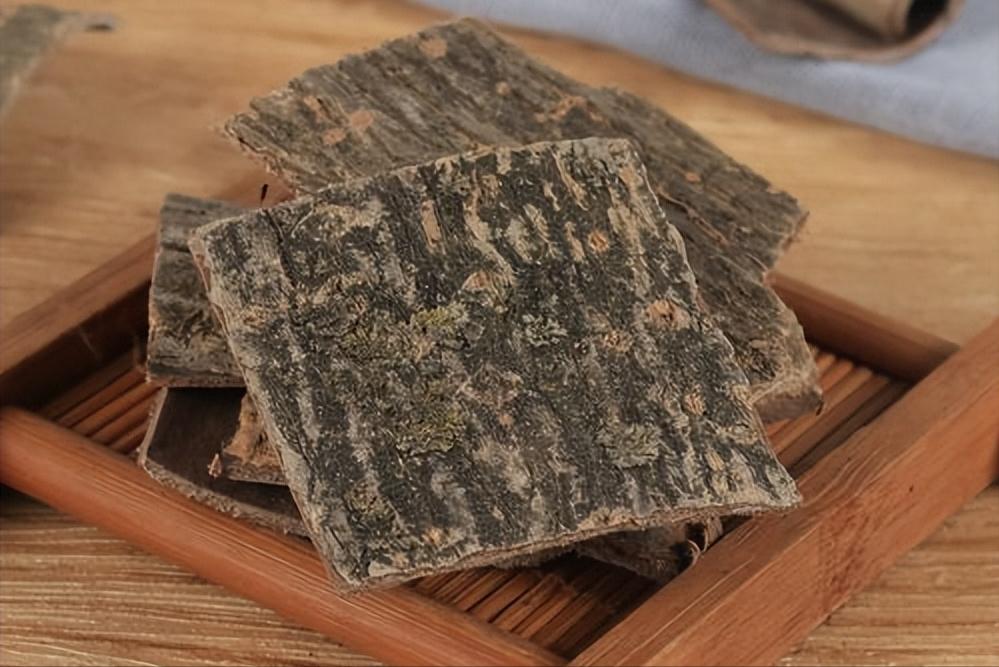
Finally, the third combination: Cuscuta seeds paired with eucommia bark. If you feel particularly cold, with frequent cold pain in the waist and knees, ringing in the ears, and for men, accompanied by decreased sexual function, look at your tongue. If the root of the tongue has a thick, white, and greasy coating, this is mostly due to kidney yang deficiency. Traditional Chinese Medicine describes kidney yang as a little sun inside the body; when yang energy is insufficient, you’ll feel cold and experience cold pain in the waist and knees. At this point, using cuscuta seeds with eucommia bark is like adding a heater to the body. Eucommia bark is an excellent medicine for tonifying the kidneys and strengthening the waist, while cuscuta seeds warm and tonify kidney yang. These two herbs work together and are especially suitable for various symptoms caused by kidney yang deficiency, particularly cold pain in the waist and knees and decreased sexual function.
These three combinations are all classic pairings commonly used in clinical practice. However, everyone’s constitution is different, so it’s best to consult a professional TCM practitioner before using these herbs. Adjust the dosage and combination based on your specific condition. I hope these tips are helpful to everyone. If you find them useful, don’t forget to give a like and save this information!