The Pinnacle of Dampness Elimination in Traditional Chinese Medicine: Using Just Two Herbs to Thoroughly Remove Dampness
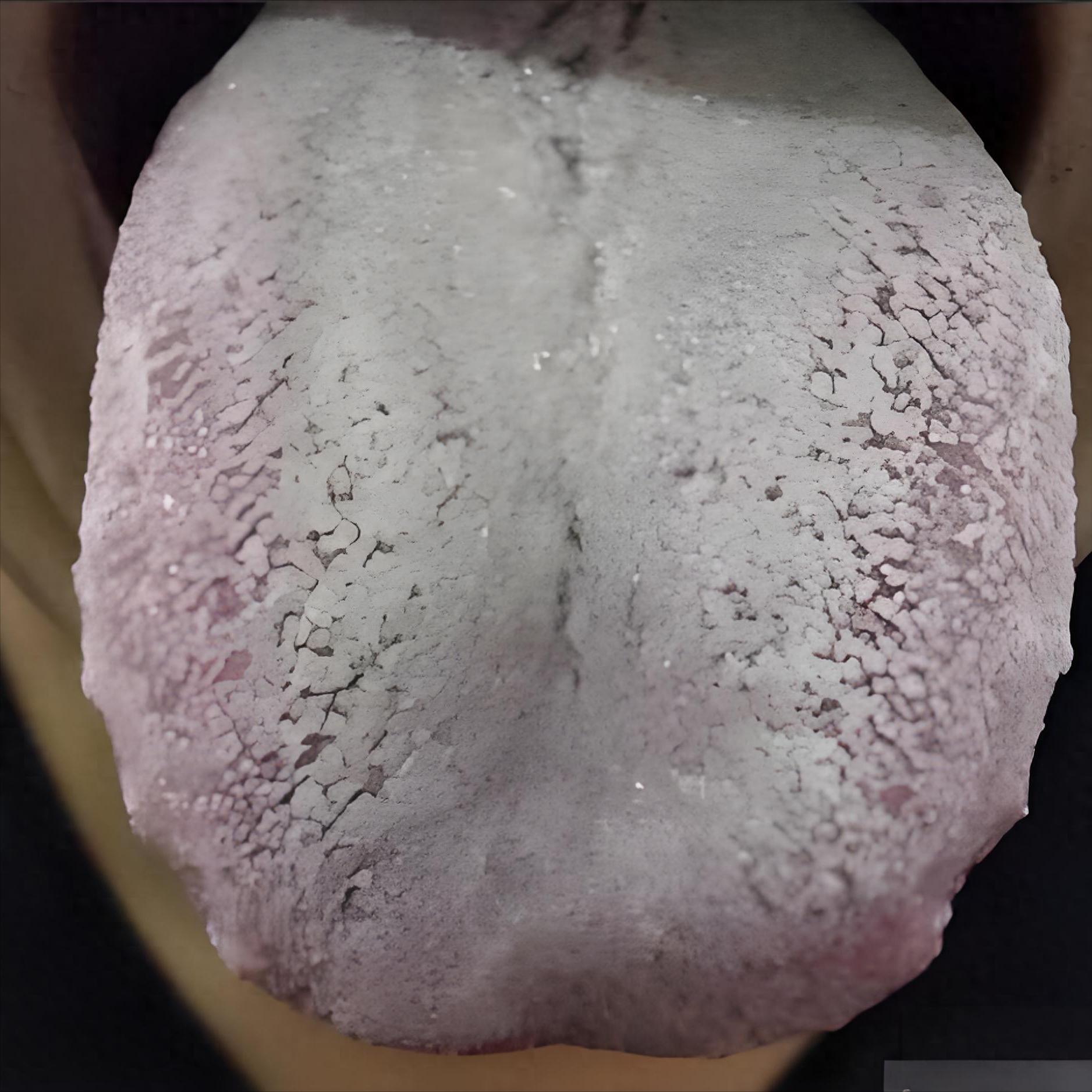
In this scorching weather, staying in air-conditioned rooms for too long and indulging in iced drinks, watermelon, and cold beverages may cool you down, but have you ever felt: your whole body feels off, your head is heavy and foggy as if wrapped in a damp cloth, you lack energy, and your legs and feet feel a bit swollen? When you stick out your tongue, do you see a thick white coating with tooth marks along the edges? These are all signs that your body is warning you: there is too much dampness!
Traditional Chinese Medicine states that "dampness is heavy, turbid, and lingering." In summer, the body's Yang Qi tends to rise to the surface, and the digestive system’s function is naturally weaker. When further aggravated by the cold stimulation of air conditioning and chilled drinks, the spleen and stomach, which are responsible for transforming and transporting fluids, become even more prone to "shutting down." When fluids and dampness cannot be properly transported, they accumulate in the body, forming "internal dampness." This pathogenic dampness tends to rise upward, often affecting the head and face, or stagnating in the limbs. Once dampness disturbs the head and face, it is like covering a clear sky with thick dark clouds, obstructing the ascent of clear Yang Qi and leading to dizziness, a heavy-headed sensation as if wrapped tightly, tinnitus, and mental fatigue. When dampness stagnates in the lower body, the legs and feet are prone to swelling and heaviness. If dampness encumbers the spleen and stomach, your appetite naturally diminishes, and you may also feel greasy hair and an oily face.
To address these discomforts caused by water-dampness affecting the head and eyes and obstructing the clear yang, the Sage of Medicine Zhang Zhongjing provided a highly refined and effective formula nearly two thousand years ago—Ze Xie Tang. This formula consists of only two herbs: Bai Zhu (Atractylodes macrocephala) and Ze Xie (Alisma orientale), but their combination yields remarkable effects.
Bai Zhu: Acts like a diligent gardener, primarily targeting the spleen and stomach (middle jiao). It strengthens the spleen and boosts qi, revitalizing weakened spleen and stomach functions to empower the body in transforming and transporting water-dampness (“cutting off the source of dampness”). When spleen qi is sufficient, the clear yang qi naturally rises to counteract the upward disturbance of damp-turbidity.
Ze Xie: Functions like a clear and flowing waterway, primarily focused on promoting diuresis (lower jiao). It excels at draining water and excreting dampness, guiding the water-dampness pathogens trapped in the head, face, and upper body downward, and excreting them through urination, thereby “clearing the skies” of the “overcast” head and face.
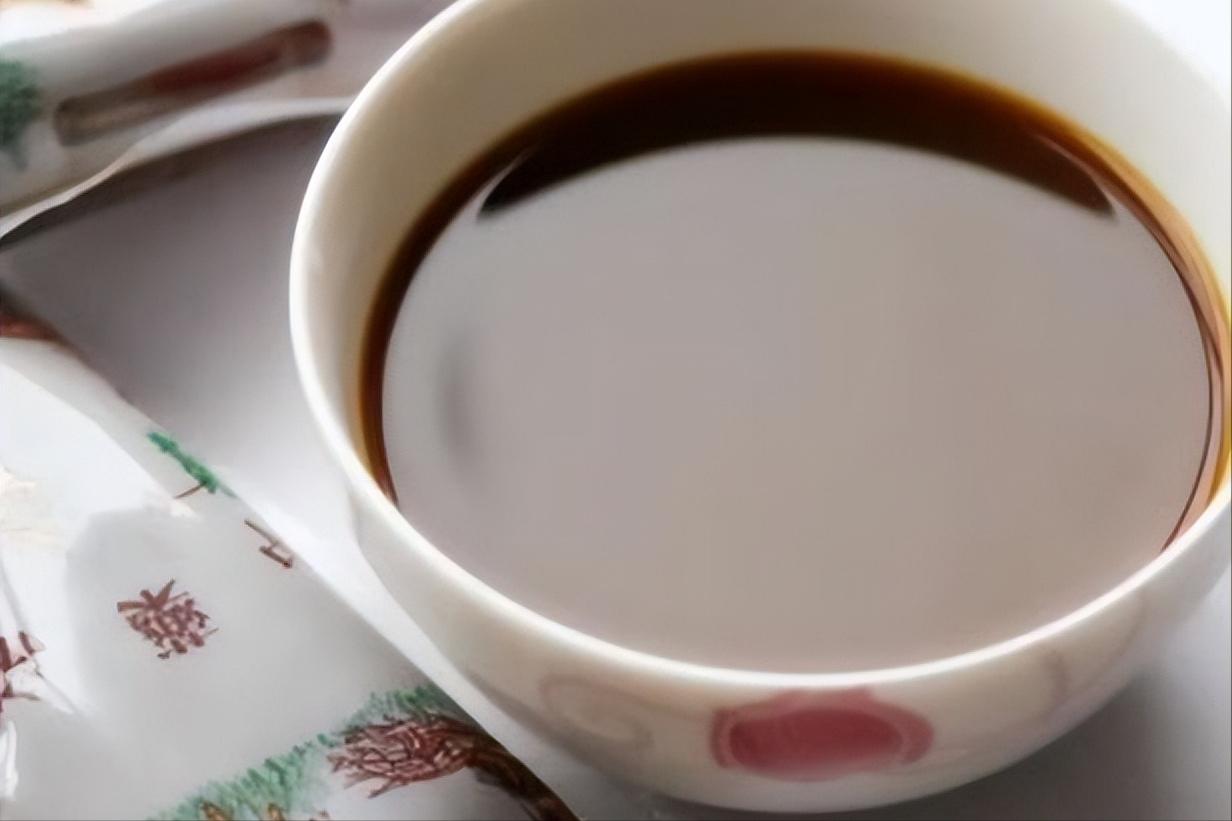
When these two herbs are combined, one works in the middle (strengthening the spleen) to enhance the body's transformative and transporting capacity and cut off the source of dampness, while the other works below (promoting diuresis) to open the pathways and expel the already formed damp-turbidity. With one ascending and the other descending, they cooperate seamlessly, effectively “sweeping away” the disruptive water-dampness within the body.
Let's give a real example:
One of my patients, Mr. Wang, 45, is a typical office worker. Since the start of summer, he has been staying in air-conditioned rooms every day and particularly enjoys eating chilled watermelon and drinking cold beverages. As a result, he began feeling unwell: constantly dizzy and groggy as if lacking sleep, occasionally experiencing ringing in his ears, poor appetite, feeling averse to greasy foods, and noticing that pressing on his calves in the afternoon left noticeable indentations. His tongue appeared swollen and enlarged, with a thick, greasy white coating and clear tooth marks on both sides. This is a typical manifestation of cold damaging the spleen and stomach, leading to internal accumulation of dampness that ascends and clouds the clear orifices (head and eyes). I prescribed him a basic formula based on Ze Xie Tang (Atractylodes 15g, Alisma 30g, specific dosage should be adjusted based on syndrome differentiation by a physician). After one week of follow-up, he reported significant relief from dizziness, improved mental clarity, substantial reduction in leg swelling, and gradual recovery of appetite. This demonstrates the effective resolution of dampness obstruction by Ze Xie Tang.
Therefore, if you frequently experience the following during summer:
Heavy-headedness, mental fogginess, and a lack of clarity
Tinnitus (non-persistent)
Extremely fatigued, lacking energy
Poor appetite, feeling full or bloated after eating a little
Oily hair and face
Swelling in the calves or ankles (more noticeable in the afternoon)
Observing the tongue: Tongue body is enlarged, with tooth marks, and a white, thick, greasy coating
Therefore, Zhang Zhongjing's refined Alismatis Decoction approach is well worth understanding and trying (must be used under the guidance of a professional TCM practitioner). Remember, the key is to grasp the core pathogenesis of "dampness attacking the head and eyes."
Traditional Chinese medicine emphasizes pattern differentiation and treatment, using different formulas for different symptoms to achieve effective healing. If you have similar conditions, the first step is to examine your tongue coating. Please send me a photo of your tongue coating along with your symptoms, and I will provide a free pattern differentiation to determine the general direction of your treatment.