If tonifying yang is ineffective, add Amomum villosum; if tonifying blood is ineffective, add cinnamon; if tonifying yin is ineffective, add Cyperus rotundus.
Today, let's talk about some little-known tips in Traditional Chinese Medicine tonification. In TCM tonification, there is a saying: if tonifying yang is ineffective, you can add Amomum villosum; if tonifying yin is ineffective, add Cyperus rotundus; if tonifying blood shows no improvement, add cinnamon. Below, I will explain in detail.
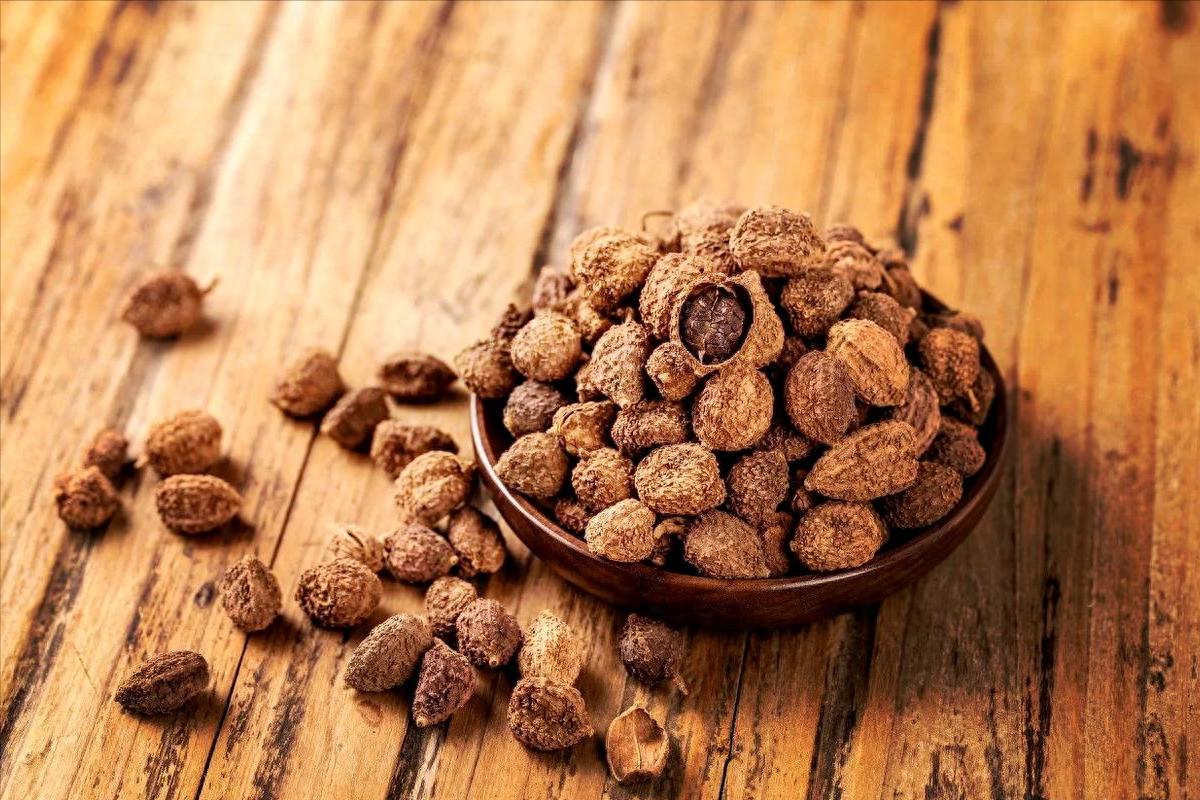
First, let's talk about Amomum villosum. People with yang deficiency constitution generally are more prone to feeling cold, often lethargic throughout the day, with weak limbs. Looking at the tongue coating, it appears white and slippery. Commonly used yang-tonifying herbs include cinnamon, deer antler velvet, Cistanche deserticola, and aconite. But why do some people take these yang-tonifying herbs and not only fail to improve but instead experience heatiness, indigestion, and uncomfortable abdominal bloating? This is because they have weak spleen and stomach, with impaired transportation and transformation functions, and the tonifying herbs simply cannot be absorbed.
In traditional Chinese medicine, Amomum villosum is an expert at "guiding medicinal properties into the spleen." This herb has a pungent and warm flavor, carrying a fragrant aroma, and is known for its effects of promoting qi flow, resolving dampness, and warming the middle to stop vomiting, earning it the title of the "appetizer" for yang-tonifying herbs. It helps dissipate dampness stagnating in the body, warms the spleen and stomach, and "ignites" the spark for yang tonification in the body. It's akin to cleaning impurities from the fuel tank of a car that has run out of gas, then adding the right type of fuel, allowing the car to run smoothly.
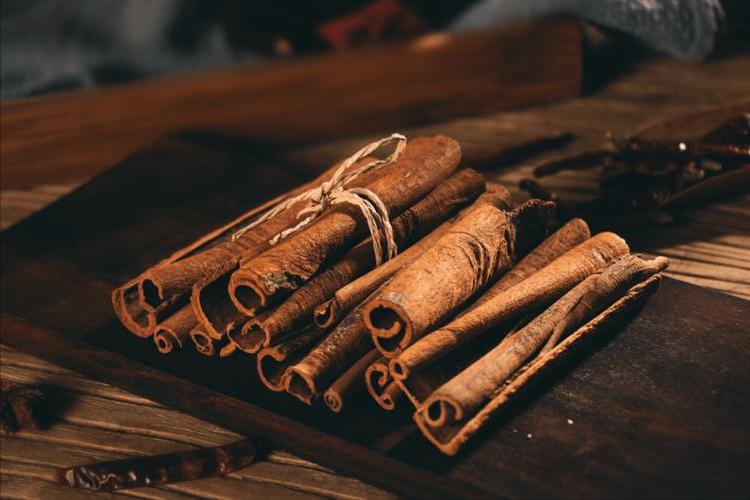
Now, let’s talk about cinnamon. Many people primarily choose herbs like donkey-hide gelatin, Chinese angelica, and prepared rehmannia for blood tonification. Yet, despite continuous supplementation, their complexion remains sallow, menstrual flow remains scant, or periods are even delayed. Why is this? It may very well be due to cold pathogens obstructing the meridians, hindering the smooth flow of blood. Tonifying herbs taken internally are akin to being dropped into an ice cellar—they freeze up and simply cannot circulate.
Cinnamon, however, can greatly tonify the fire of the life gate, and its yang-tonifying effect is gentle yet long-lasting. Traditional Chinese medicine holds that "blood flows when warmed." Cinnamon is like opening a gap in a frozen river, providing a "path" for blood-tonifying herbs. Ancient practitioners long recognized that mere tonification is insufficient; warmth and unobstructed flow are essential, which is precisely where cinnamon’s value lies. To draw an analogy, it’s like dredging a river channel to ensure smooth water flow, allowing blood-tonifying herbs to work more effectively.
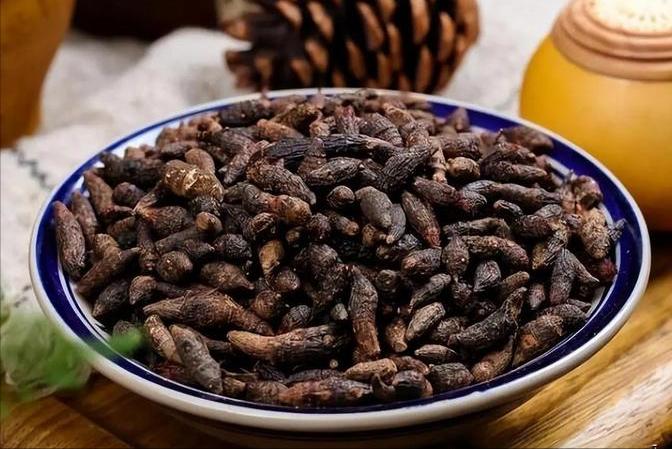
Finally, let's discuss Cyperus rotundus. This herb may appear ordinary but is hailed as the "commander-in-chief of qi disorders," particularly adept at soothing the liver, regulating qi, and alleviating menstrual pain. It acts like a small fan, facilitating the movement of qi and blood, dispersing stagnant depressive qi from the body. Common yin-tonifying herbs include lily bulb and ophiopogon, but many people experience symptoms like a bitter taste in the mouth, chest tightness, and low mood after taking them. Especially among female patients, issues like breast distension, pain, and irregular menstruation may arise during supplementation. This is because individuals with yin deficiency constitutions, if qi regulation is neglected, will have their qi mechanism "stifled" by yin-tonifying herbs, potentially worsening the condition. It’s similar to filling a sealed room with items without ventilation, making the room increasingly stuffy.
So, when using traditional Chinese medicine for nourishment, don't blindly proceed. It's essential to rationally combine herbs based on your individual condition to achieve better results.