The hardest type of Yang to replenish is the True Yang of the kidneys. Learning Zhang Jingyue’s approach of "seeking Yang within Yin" allows Yang energy to penetrate into the bones.
Today, let's talk about the hardest type of Yang to replenish in the body—the True Yang of the kidneys. Why is it so difficult to replenish? Traditional Chinese Medicine (TCM) teaches that the kidneys are water organs, with the primary function of storing essence, and essence is Yin in nature. However, most Yang-tonifying herbs on the market have properties that are pungent, hot, and drying. This is like trying to place a flame directly into water—it simply can’t replenish effectively and can instead cause significant problems.

Directly using pungent, hot, and drying Yang-tonifying herbs can easily lead to a condition where Yin and Yang are in opposition and water and fire are in conflict. Yang energy cannot properly remain in the kidneys and instead rises to the upper part of the body, resulting in symptoms of "excessive heat" such as mouth sores and insomnia with frequent dreams. Meanwhile, the kidney water, which is already deficient and cold, combined with the rising Yang energy, causes the lower part of the body to become even colder. This leads to symptoms like cold legs and feet, diarrhea, and frequent nighttime urination—a classic example of heat in the upper body and cold in the lower body.
What kind of people typically have insufficient kidney yang and need to tonify kidney yang? Generally speaking, these individuals are particularly afraid of cold, have weak and sore lower back, knees, and legs, and frequently suffer from diarrhea. Men may experience a decline in function, while women are prone to menstrual irregularities. If you have these symptoms, it is likely that you have insufficient kidney yang.

So how can we supplement the true yang in the kidneys? We can learn from the method of "seeking yang within yin" advocated by the great Ming Dynasty physician Zhang Jingyue. What does this mean? It means that when tonifying kidney yang, we must also take kidney yin into account, as yin and yang are interdependent and mutually transformative. Only in this way can kidney yang be tonified more effectively.
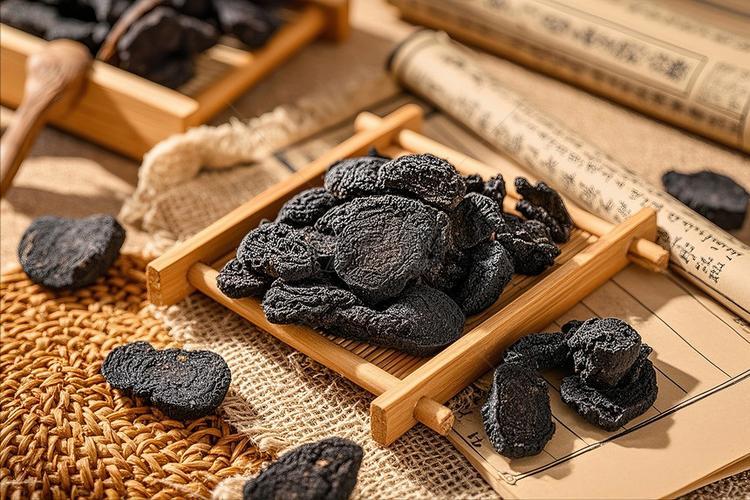
There is a formula called Gui Fu Di Huang Wan that can be adapted and modified based on this approach. The formula contains several key herbs: cinnamon bark (rou gui) can guide fire back to its source, returning the floating yang qi to the kidneys and making the yang qi stay where it should. Aconite (fu zi) can invigorate yang qi and expel cold and dampness from the body. Rehmannia root (shu di huang) is excellent for tonifying kidney yin and can also counteract the warming and drying properties of aconite and cinnamon bark, ensuring that the formula tonifies kidney yang without being overly drying or heat-inducing, which could harm the body.
Finally, I want to remind everyone that replenishing kidney yang is not something that can be accomplished in just a day or two. It requires patience, just like slow-cooking over a low flame—gentle and gradual regulation—to ensure that yang qi continuously regenerates and nourishes the entire body. If you feel that you have insufficient kidney yang, do not casually buy medication on your own. It is best to consult a professional Traditional Chinese Medicine practitioner for personalized diagnosis and treatment based on your individual condition.