A weak heart leads to profuse sweating, a weak spleen causes sticky phlegm, kidney deficiency results in tinnitus, and a weak liver brings on leg cramps.
In Traditional Chinese Medicine (TCM), it's known that the health of the body's five internal organs can manifest through certain minor symptoms. For instance: a weak heart leads to profuse sweating, a weak spleen causes sticky phlegm, kidney deficiency results in tinnitus, a weak liver brings on leg cramps, and lung weakness makes one prone to frequent colds. Today, let's talk in the most down-to-earth terms about how to nourish these five organs. Learn these methods, and you'll be able to regulate your health at home—it's convenient and saves money.
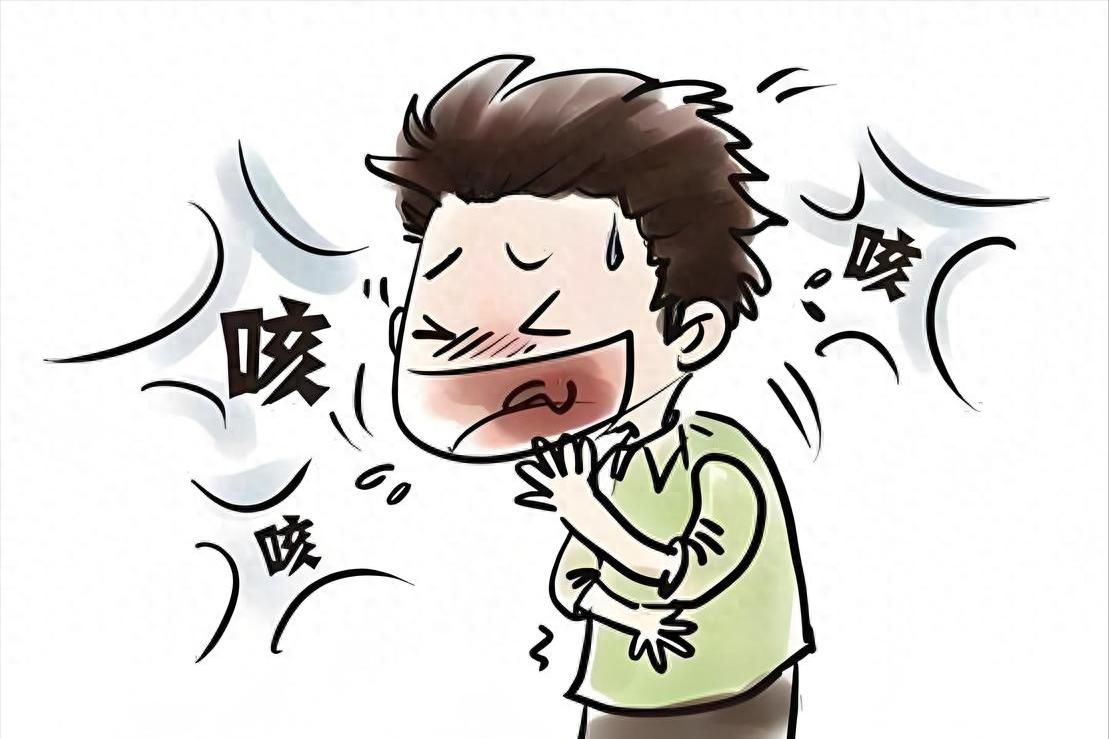
1. What to do about spleen deficiency with excessive phlegm, abdominal bloating, and sticky stools
If you always feel phlegm in your throat that you can't clear no matter how much you cough, your stomach feels bloated like a drum after eating, and your stool often sticks to the toilet bowl and won't flush away, this is likely due to spleen deficiency. In traditional Chinese medicine, the spleen is responsible for transporting and transforming dampness. When the spleen is deficient, dampness cannot be properly transported and transformed, making it prone to turning into phlegm-dampness. At this point, Shenling Baizhu Wan can come in handy. Its ingredients help strengthen the spleen and dispel dampness, expelling dampness from the body. As phlegm-dampness decreases, those uncomfortable symptoms naturally improve. Pay attention to your diet as well, eating less greasy and overly sweet foods, as these can worsen spleen deficiency.
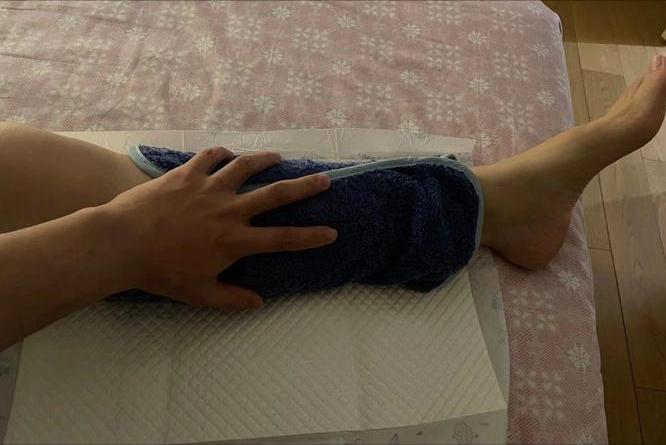
2. How to Manage Leg Cramps and Blurred Vision Caused by Liver Issues
Some people often have vivid dreams at night, experience leg cramps from time to time, and have blurred vision, which may indicate liver problems. The liver stores blood, governs the tendons, and opens into the eyes. When liver blood is insufficient, the tendons do not receive proper nourishment, leading to cramps; the eyes also become blurred due to insufficient blood nourishment. Guishao Dihuang Wan can nourish blood and soothe the liver, replenishing the liver's "energy" and ensuring sufficient liver blood. Additionally, going to bed earlier at night is crucial, as staying up late is most damaging to liver blood. Try to be in bed by 11 PM.
3. How to Improve Heart Qi Deficiency, Excessive Sweating, and Palpitations
Some people break out in a sweat at the slightest movement, often experiencing palpitations, a feeling of tightness in the chest, and shortness of breath—this may be a sign of heart qi deficiency. Heart qi plays a role in promoting and regulating heartbeat, mental consciousness, and alertness; when heart qi is deficient, heart function is affected, leading to these symptoms. Baizi Yangxin Wan can supplement qi, nourish blood, and calm the mind, replenishing the heart's energy and enabling it to function properly. In daily life, incorporating qi- and blood-nourishing foods such as red dates and longan can also help improve heart qi deficiency.
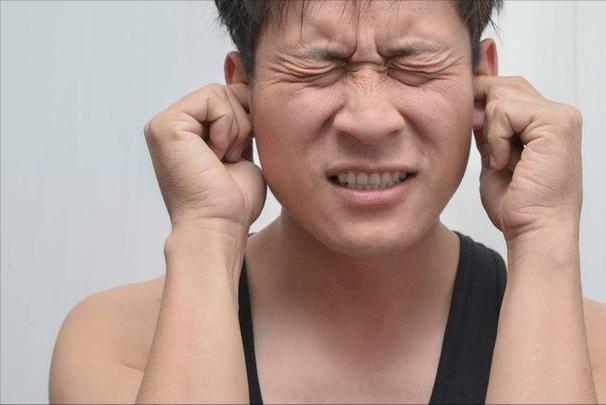
4. How to Address Kidney Deficiency Tinnitus, Soreness in the Lower Back, and Dry Mouth
The kidneys are the foundation of innate constitution, governing human growth, development, and reproduction. The ears are the external orifice of the kidneys. If you frequently experience tinnitus accompanied by symptoms like soreness in the lower back and dry mouth, it is likely due to kidney deficiency. Zhibai Dihuang Wan can nourish yin and reduce fire, effectively alleviating symptoms such as tinnitus and lower back soreness caused by kidney yin deficiency. In daily life, it is important to avoid excessive fatigue and maintain moderation in sexual activity, as overexertion can deplete kidney essence and worsen kidney deficiency.
5. How to Regulate Lung and Defensive Qi Deficiency Leading to Frequent Colds and Shortness of Breath
Some people catch colds every few days, always feel short of breath, and are prone to panting. This is often due to weak lung-defensive qi. The lungs govern the skin and hair and control respiration. When lung qi is deficient, the defensive function declines, making the body more susceptible to external pathogens and leading to frequent colds. Yupingfeng San is like adding a "protective shield" to the body—it boosts qi and strengthens the exterior, enhancing the lung's defensive function and reducing the occurrence of colds. Regularly engaging in moderate aerobic exercises like jogging or walking can also strengthen lung function and improve the body's resistance.
These conditioning methods are all small tips targeting common issues of the five internal organs. You can identify the approach that matches your symptoms and choose the appropriate medication and conditioning method accordingly. However, if symptoms are relatively severe or persist for an extended period, it is still essential to go to the hospital promptly for diagnosis and treatment by a professional doctor. Have you remembered all these points?