After 50, maintaining health is all about nourishing the kidneys. Here are the 3 essential tips for kidney care—none should be missed.
Today we're going to talk about health preservation for men over 50. For men over 50, the key to health preservation is nurturing the kidneys. Why is that? Around the age of 50, men's kidney qi is at its peak, but after this stage, kidney qi gradually begins to decline. Once kidney qi becomes deficient, various physical issues may follow.

Symptoms like hearing loss and persistent ringing in the ears reflect the kidney's connection to the ears; insufficient kidney qi directly affects the ears. Additionally, soreness in the waist and weakness in the legs occur because the kidneys govern the bones—the health of the waist and legs relies on kidney qi, so when it's deficient, strength naturally declines. Dry, brittle hair is also tied to the kidneys, as their vitality manifests in the hair; hair quality is closely linked to the sufficiency of kidney qi. Moreover, issues in intimate life, such as short duration or poor rigidity, are often related to insufficient kidney qi. Therefore, men of this age should prioritize nourishing and consolidating their kidney health.
So, how exactly do we nourish the kidneys? First, we must nourish qi and blood. Qi and blood are the foundation of the body, much like bricks, tiles, and cement are essential for building a house—all bodily functions depend on them. Insufficient qi and blood lead to low energy, lack of motivation, physical weakness, easy fatigue, frequent sensations of chest tightness and shortness of breath, pale complexion, and poor memory. Furthermore, if qi and blood are not well-nourished, a man's intimate function can be affected. In traditional Chinese medicine, it's said that the "ancestral sinew" relies on the nourishment of qi and blood to stand firm; when these are deficient, the sinew cannot be properly aroused, resulting in issues like short duration or difficulty achieving an erection. In such cases, we can consider using formulas like Shiquan Dabu Tang to replenish qi and nourish blood, ensuring the body has sufficient vitality.
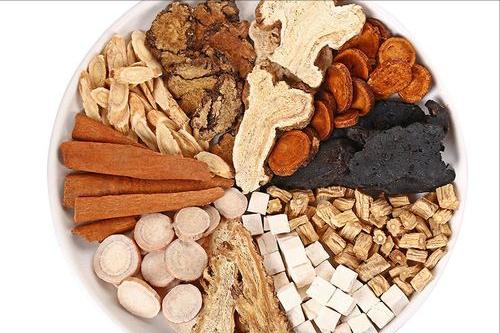
Next, it's essential to soothe the liver. In traditional Chinese medicine, there's a saying: "The liver and kidneys share the same source," indicating their close relationship. The liver governs the storage of blood, manages dispersion, and also controls the sinews. These sinews are crucial for a man's intimate function, acting like a "switch." If liver qi is stagnant, the flow of qi becomes obstructed, preventing qi and blood from descending properly, which deprives the ancestral sinew of nourishment and leads to difficulties such as erectile dysfunction. People experiencing this often feel irritable, prone to anger, and frequently complain of distending pain in the rib area. In such situations, we can consider formulas like Xiaoyao San, tailored to individual circumstances, to regulate liver qi and promote smooth circulation of qi and blood. With improved flow, intimate function naturally enhances.
The final step is kidney tonification. After replenishing qi and blood, and ensuring the smooth flow of qi, the next focus should be on kidney tonification. For kidney tonification, it is essential to first differentiate whether you have kidney yang deficiency, kidney yin deficiency, both yin and yang deficiency, or kidney essence depletion.
If you have kidney yang deficiency, you may often feel particularly cold, have constantly cold hands and feet, experience soreness and weakness in the lower back and knees, and suffer from frequent and urgent urination. In such cases, you can consider using modified Yougui Yin to regulate. Yougui Yin warms and tonifies kidney yang. Once yang qi is replenished, these symptoms can be alleviated.
If you have kidney yin deficiency, you may often feel restless and feverish internally, have a sensation of heat in the palms, soles, and chest, experience night sweats during sleep, have frequent dreams, and occasionally suffer from tidal fever. In such cases, you can consider using Zhibai Dihuang Tang. Zhibai Dihuang Tang nourishes yin and clears heat. Once kidney yin is replenished, these symptoms of yin deficiency will disappear.
If you have both yin and yang deficiency, exhibiting symptoms of yang deficiency such as cold intolerance, along with signs of yin deficiency such as restlessness and feverishness, you can consider using Dihuang Yinzi. Dihuang Yinzi tonifies both yin and yang, helping to restore the balance of yin and yang in the body, which will lead to improved comfort.
If kidney essence deficiency leads to functional decline, lack of energy, poor memory, and premature aging, the modified Suoyang Gujing Decoction may be considered for improvement. This formula helps tonify the kidneys and consolidate essence; by replenishing kidney essence, these symptoms can gradually improve.
In summary, for men over 50, kidney nourishment should focus on supporting qi and blood, soothing the liver, and tonifying the kidneys. By choosing the right approach based on individual health conditions and persisting with regulation, one’s physical condition can steadily improve.