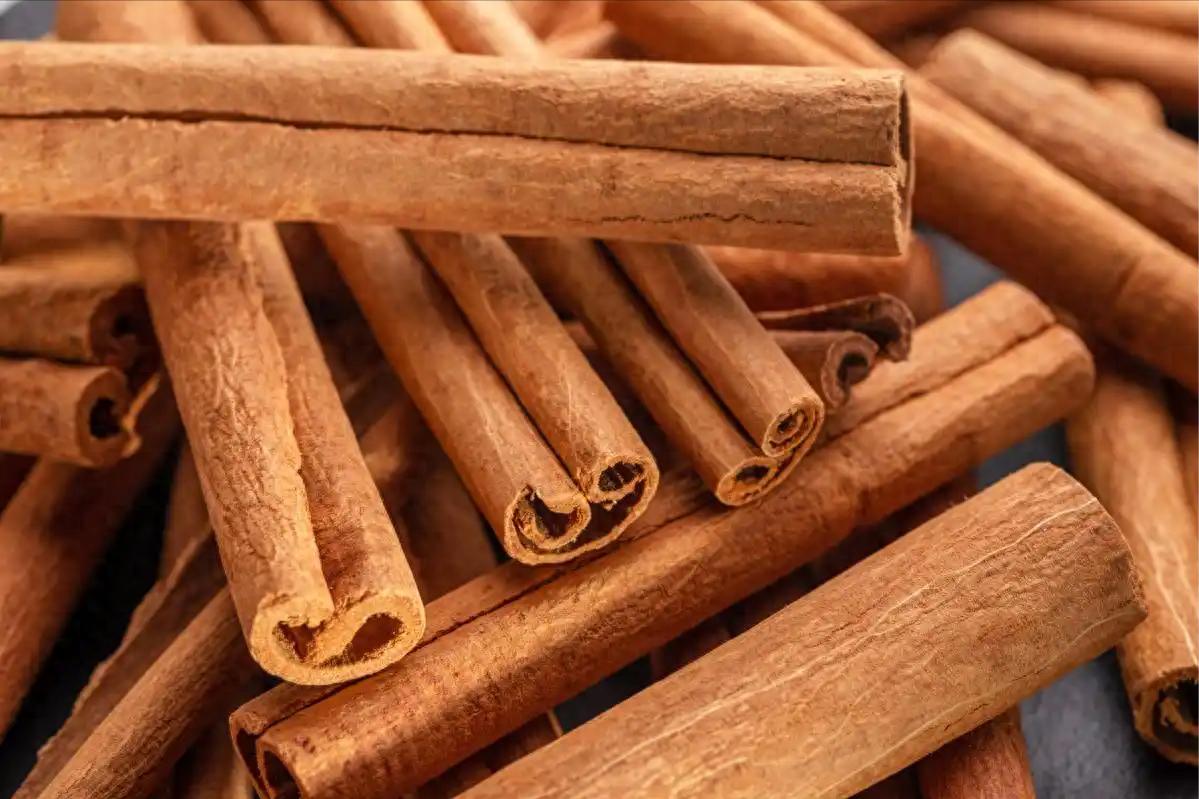
Cinnamon guides floating yang back to its source; achyranthes root guides blood back to its source; cardamom guides qi downward and restores it to the source; poria with hostwood guides water downward.
Today, let's talk about a few herbs in Traditional Chinese Medicine, each possessing unique capabilities in regulating the body.
First, let's talk about cinnamon. It can guide floating yang back to its source. Nowadays, many people suffer from "internal heat," but it often isn't a true, excess-type fire. Instead, it's deficient yang floating upward, manifesting as heat in the upper body and cold in the lower body. What are the signs? The upper part might have canker sores and a dry mouth, while the lower limbs feel cold, and the waist and knees feel weak. Why can cinnamon guide yang back? In TCM theory, kidney yang should reside properly within the kidneys. Sometimes, however, it becomes deficient and floats upward. Cinnamon warms and unblocks the channels—it's like clearing the pathway for communication between the heart and kidneys. It also supplements the fire (yang) and assists yang, drawing the deficient, floating kidney yang back to the kidneys. Consequently, when yang stays below, the legs and feet won't feel cold; when yin stays above, issues like canker sores, restlessness, and insomnia can gradually improve.
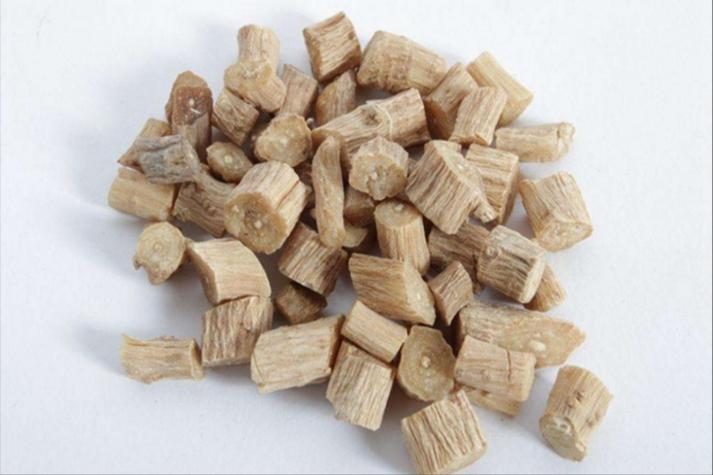
Now, let's talk about Achyranthes bidentata, it is an expert at guiding blood back to its source. In traditional Chinese medicine, the liver governs dispersion. When we lose our temper or get emotionally agitated, liver qi excessively disperses qi and blood, which can easily lead to dizziness, tinnitus, distending pain in the chest and hypochondrium, insomnia, and irritability—these are signs of liver yang rising excessively. Achyranthes bidentata is like a rope that can tie down liver blood, preventing it from rising too much, allowing the body to gradually return to calm.
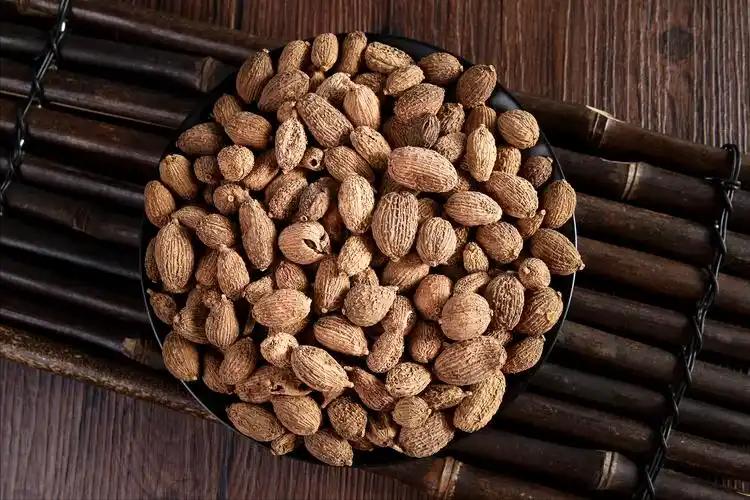
Next is Amomum villosum, which can absorb qi back to its origin. The medical scholar Zhang Xichun said that the human body has two "qi seas": one is below, representing the innate primordial qi; the other is above the diaphragm, in the area above the stomach, representing the clear qi inhaled after birth. Observe children when they sleep—their abdomen rises and falls with their breath, indicating that primordial qi settles below. However, in elderly or middle-aged individuals, breathing is characterized by significant chest movement, and primordial qi fails to settle below. When qi rises abnormally, it can easily cause vomiting, belching, dizziness, and a feeling of being unsteady while walking. Amomum villosum is a seed-based herb with properties of consolidation and containment. It enters the spleen and stomach meridians, helping to settle primordial qi below and making the body more stable.
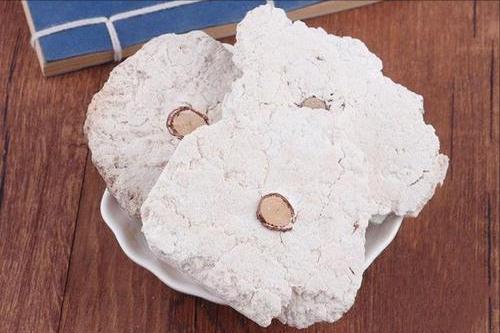
Finally, there is Poria cocos (specifically Poria with hostwood, known as Fushen), which guides water downward. When spleen and kidney yang deficiency reaches a certain level, internal water-dampness becomes excessive and can ascend to invade the heart and lungs, leading to palpitations, panic, insomnia, excessive dreaming, and difficulty urinating. Fushen can regulate the triple burner, guiding upper burner water retention to be excreted through urine, restoring normal water metabolism and ensuring smooth circulation of qi between the upper and lower parts of the body. Additionally, Fushen can eliminate stagnant water while preserving healthy fluids, promoting peace of mind and ensuring more restful sleep.
These medicinal herbs each have their own unique properties, and when used properly, they can greatly assist in our physical conditioning.