The Three Levels of Dampness Removal: Shen Ling Bai Zhu San Is Just the Beginner's Step, Zhen Wu Tang Is the Master's Choice
Today, let's talk about the "levels" of dampness removal in Traditional Chinese Medicine. Dampness is a common issue, but depending on the location and severity of dampness retention, the herbal formulas used vary greatly. Understanding these "levels" can help us approach treatment more accurately.
Level 1: Dampness Encumbering the Spleen and Stomach (Mild Cases) - Focus on Strengthening the Spleen and Resolving Dampness
Core issue: Dampness primarily resides in the spleen and stomach, impairing the spleen's transportation and transformation functions (the spleen governs the transformation and transportation of water-dampness).
Typical manifestations: Poor appetite, abdominal bloating after eating, loose and unformed stools that are prone to sticking to the toilet, a constant feeling of heaviness and fatigue, exhaustion after minimal activity, possible tooth marks on the sides of the tongue, and a white, greasy tongue coating.
Common formula approach: Shenling Baizhu San (Ginseng, Poria, and Atractylodes Macrocephala Powder)
Action: Focuses on invigorating the spleen, replenishing qi, and promoting dampness elimination to stop diarrhea. The formula uses ginseng, white atractylodes, poria, and licorice (the base of Sijunzi Tang, Four Gentlemen Decoction) to strengthen the spleen and stomach. Chinese yam and lotus seed aid in spleen invigoration, while hyacinth bean and coix seed promote dampness elimination. Amomum fruit awakens the spleen and resolves dampness, and platycodon root disperses lung qi to assist in dampness resolution. It functions like "repairing the soil + dredging the ditches" to restore the spleen and stomach's ability to transport and transform water-dampness.
Stage of Application: Early onset or mild dampness, primarily manifesting as digestive system symptoms (poor appetite, abdominal distension, loose stools) and fatigue with heavy sensation in the body.
Second Level: Water Retention in the Middle Jiao, Affecting Yang Qi (Moderate Stage) - Warming Yang, Transforming Retained Fluid, and Promoting Diuresis
Core Issue: Dampness (water-damp) persists for an extended period or worsens in severity, not only impairing the spleen but also affecting the warming, transforming, and promoting functions of Yang Qi (particularly heart and spleen Yang). Water-damp may accumulate and form "retained fluid" (a relatively clear, thin pathological fluid).
Typical Manifestations: Building upon the symptoms of the previous level, significant aversion to cold (especially cold limbs), listlessness, increased urine volume and frequency (especially frequent nocturia), possibly accompanied by palpitations, dizziness, or sensations of distension and fluid sounds in the chest, flank, or hypochondriac regions (phlegm-fluid retention).
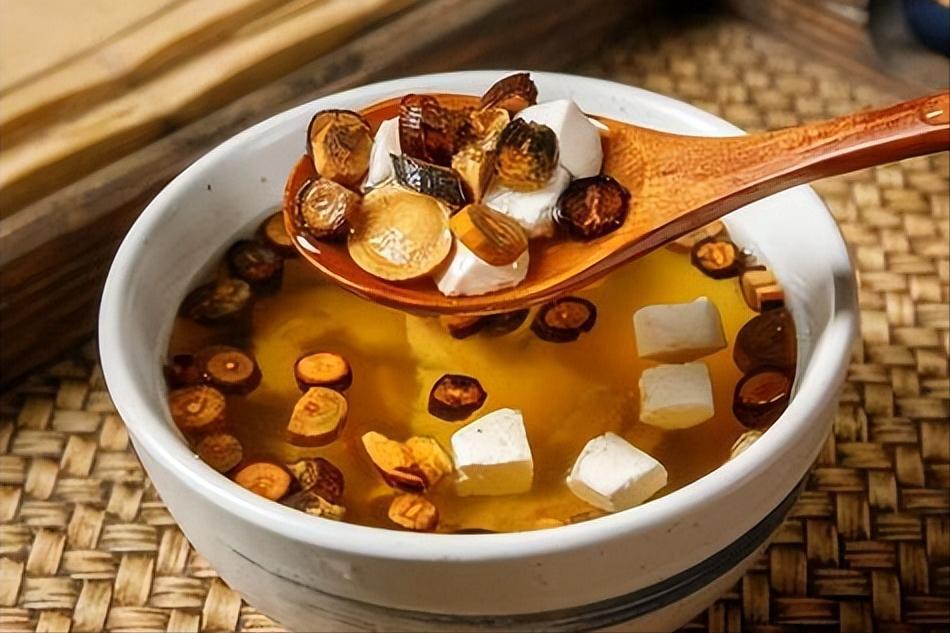
Common Prescription Approach: Linggui Zhugan Tang
Action: Warms yang (heart-spleen yang) and transforms fluid retention + fortifies the spleen and promotes diuresis. In the formula, Poria (Fuling) acts as the sovereign to fortify the spleen, promote diuresis, and drain dampness; Cinnamon Twig (Guizhi) serves as the minister to warm and unblock heart yang, transform qi, and move water; Atractylodes (Baizhu) acts as the assistant to fortify the spleen and dry dampness; and Licorice (Gancao) serves as the envoy to harmonize. It emphasizes "warming yang to transform water and fluid retention," invigorating yang qi to propel and transform stagnant water-dampness.
Applicable Stage: Internal retention of water-dampness, accompanied by clear signs of yang deficiency with fear of cold, water-fluid harassing upward (such as palpitations, dizziness), or water retention in the lower jiao (frequent nighttime urination).
Third Level: Yang Deficiency with Water Flooding (Severe Case) - Warm the kidney and assist yang, transform qi and move water
Core Issue: The flooding of damp pathogens (dampness) throughout the body, with the root cause being kidney yang deficiency. Kidney yang is the foundation of the body's yang energy; insufficiency of kidney yang leads to an inability to evaporate and transform fluids, resulting in the flooding of dampness, which spreads and causes harm everywhere.
Typical Manifestations: Severe aversion to cold, cold limbs or even cold pain, extreme mental fatigue, edema in the lower back or throughout the body (indented and slow to rebound when pressed), possibly accompanied by abdominal pain, diarrhea (watery stools), palpitations and shortness of breath, coughing with thin white sputum, or even vomiting clear fluid. The tongue is pale and swollen, with a white and slippery coating.
Common Formula Approach: Zhenwu Decoction
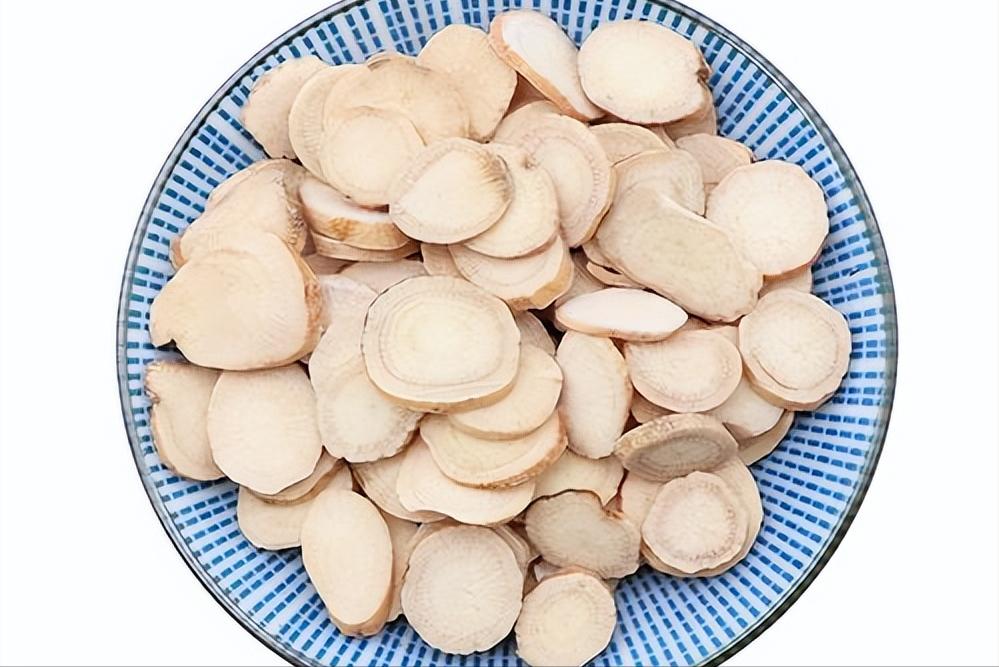
Function: Warms and tonifies kidney yang + fortifies the spleen and promotes urination + disperses dampness and reduces swelling. In the formula, processed aconite (Aconiti Lateralis Radix Praeparata), which is highly pungent and hot, serves as the monarch herb to warm kidney yang, dispel cold, and transform dampness. It is the key to igniting the "fire of the vital gate." Poria and Atractylodes macrocephala fortify the spleen, promote diuresis, and eliminate dampness, while ginger warms and disperses dampness, collectively assisting aconite in expelling dampness. White peony root plays a very important role: first, it promotes urination, aiding Poria and Atractylodes in eliminating dampness; second, it nourishes yin, softens the liver, and relieves pain; third, it moderates the harsh and drying properties of aconite and ginger, preventing damage to yin.
Core: Aconite warms Yang to treat the root cause; ginger, poria, and atractylodes fortify the spleen and promote diuresis to address symptoms; white peony regulates and prevents dryness. This is a key representative formula for treating severe conditions of kidney-Yang decline and water-dampness flooding.
Real-life Case:
I once treated a 58-year-old Master Zhao, who had worked by the water for many years. Initially, he experienced poor appetite, bloating, loose stools, and a feeling of heaviness throughout his body (first layer: dampness obstructing the spleen and stomach). After treatment with modified Shenling Baizhu Powder, his condition improved. However, due to exposure to cold and overwork, his symptoms worsened: extreme aversion to cold, requiring thick clothing even in summer, cold and tingling hands and feet, nocturia up to 4-5 times per night, significant swelling in both legs (leaving pits when pressed), frequent watery diarrhea, and extreme fatigue (progressing to the third layer: yang deficiency and water flooding). His tongue appeared pale, swollen, with a white and slippery coating, and his pulse was deep, thready, and weak. This was a classic case of kidney yang deficiency and water-dampness flooding. Without hesitation, I prescribed Zhenwu Decoction as the base formula (prepared aconite root decocted first, combined with poria, atractylodes, ginger, and white peony root) and advised him to keep warm. After one week of medication, his urine output increased, edema began to subside, and his aversion to cold and diarrhea improved. With continued treatment and warm-tonifying therapy, his symptoms gradually stabilized. This case clearly illustrates how dampness progresses from superficial to deep levels, damaging kidney yang, and the necessity of upgrading the prescription according to the syndrome.
Important Reminder from Dr. Wang:
Syndrome differentiation is the core: The key to selecting a dampness-eliminating formula lies in accurate syndrome differentiation. Is dampness in the spleen and stomach? Has dampness stagnated and turned into fluid retention? Or is it yang deficiency and water flooding? Symptoms, tongue appearance (thickness, stickiness, and color of the coating), and pulse signs are all important indicators. Do not blindly choose a formula or medication based solely on the vague concept of "heavy dampness"!
True Warrior Decoction is a "heavy-duty remedy" that requires strict control: Aconite is toxic, and its processing, decoction (requires pre-boiling and prolonged boiling), and dosage demand extremely rigorous professional management. True Warrior Decoction is suitable for confirmed cases of severe kidney yang deficiency with rampant water-dampness (such as severe edema, aversion to cold with cold limbs, pale and swollen tongue with white, slippery coating). It is absolutely not suitable for ordinary dampness accumulation or cases with only mild chills!
Progress step by step; do not skip levels: Dampness removal should follow a hierarchy. For mild cases of dampness trapping the spleen and stomach, remedies like Ginseng and Poria Atractylodes Powder are sufficient. Using True Warrior Decoction may be overly warming and drying, damaging yin. Conversely, for severe cases of yang deficiency with water flooding, using Poria, Cinnamon, Atractylodes, and Licorice Decoction would be insufficient in strength.
Seek professional guidance: The formulas mentioned in the article are merely for illustrative purposes. In practical application, especially when involving toxic medicinal materials like aconite, it must be carried out under the strict syndrome differentiation, guidance, and supervision of an experienced traditional Chinese medicine practitioner.