Traditional Tonifying Methods Fail? Master These 4 Herbs to Restore Yang Qi, From Soft to Hard
In the clinic, I've found many male patients have this thought: as soon as their body shows signs of declining function, they feel it's hopeless and will never get better. Actually, this kind of thinking is quite mistaken. Often, it's not that the body is truly beyond recovery, but that the pattern differentiation wasn't accurate, or they blindly took medication that made their condition worse.

Previously, a patient came to see me. The moment he entered, he was sighing and groaning, insisting he must have a kidney problem. He was listless all day, the quality of his sexual life was extremely poor, and his whole body was limp, like a deflated ball. Because of this, his relationship with his wife had been affected. For this issue, he had made countless trips to the hospital, taken a lot of medication, and eventually lost all confidence to continue treatment.
Upon careful inquiry, I learned that he had previously been taking medications that promote yang, such as sea dog kidneys, cinnamon bark, and deer antler. Since he already had some internal heat in his body, taking these herbs naturally led to heat excess.
Later, after conducting a detailed diagnosis, I prescribed four herbs that worked quite well. These four herbs were Atractylodes macrocephala, cinnamon twig, dragon bone, and aconite.
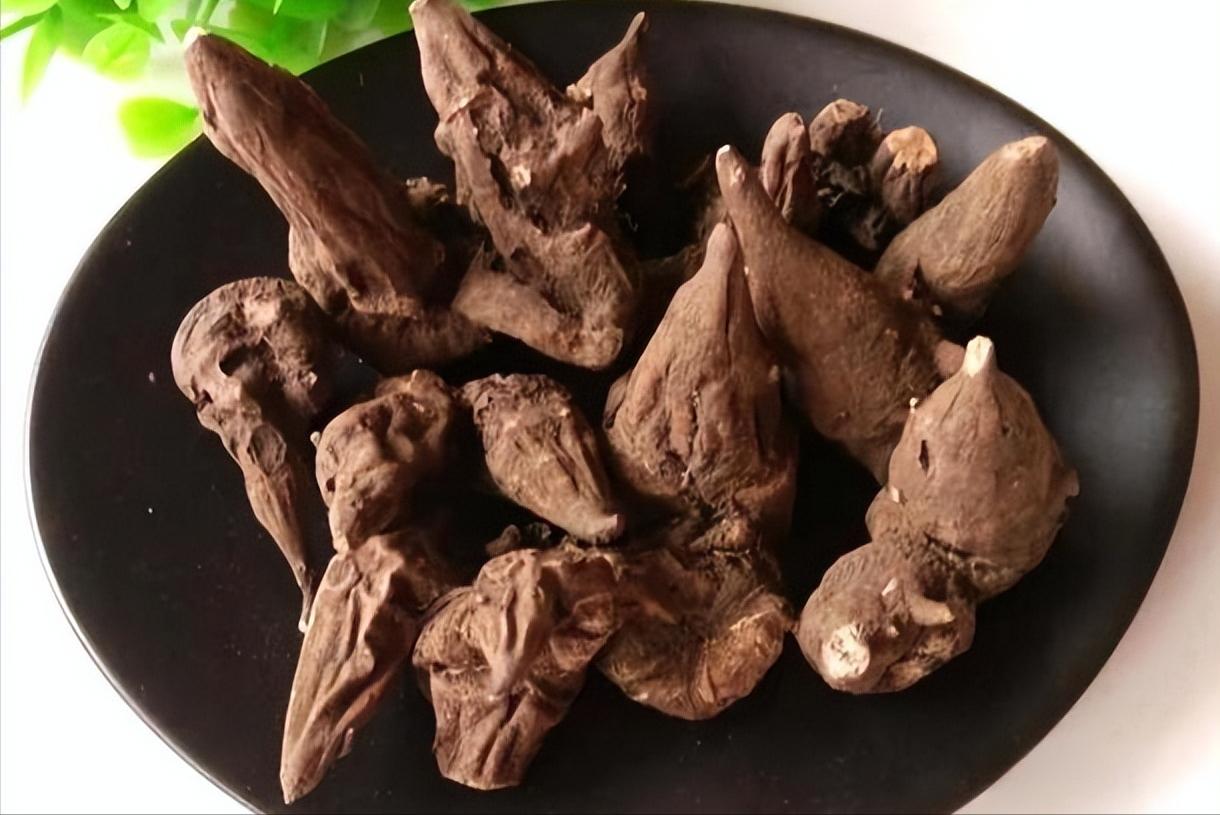
Among these, aconite serves as the sovereign herb. In Traditional Chinese Medicine, there are many herbs that supplement yang, but many tend to generate heat and damage yin. Aconite, however, is different—it warms yang without drying or generating excessive heat. It directly enters the kidney essence, warming and tonifying the kidney yang, thereby replenishing the "fire of the life gate." In TCM, the fire of the life gate is crucial—it acts like a "small furnace" within the body, warming the entire body and maintaining normal physiological functions.
As for Atractylodes macrocephala, its main function is to strengthen the spleen and promote transportation. The spleen and stomach are considered the foundation of postnatal health and the source of qi and blood production. Only when the functions of the spleen and stomach are optimal can the body be supplied with sufficient qi and blood. Additionally, a healthy spleen and stomach contribute to the generation and distribution of yang qi. It's akin to providing ample "fuel" to the body’s "large machine," enabling it to function normally.
Cassia twig can assist Aconite in warming yang and dispelling cold, as well as promote blood circulation. For yang qi to function effectively in the body, it must flow freely and without obstruction. Cassia twig acts like a "traffic controller," allowing yang qi to smoothly reach all parts of the body, warming it up and enabling the various organs to function properly.
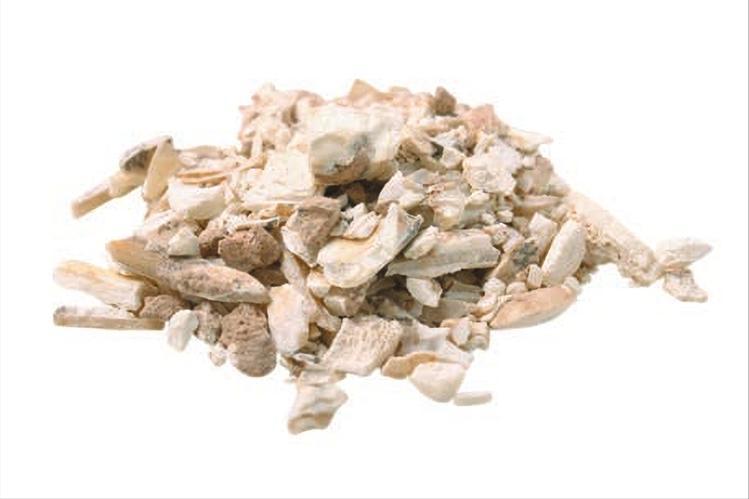
Lastly, there is Dragon Bone, which has astringent properties. Yang qi must not be excessively tonified; it is crucial to prevent its excessive depletion. Dragon Bone serves this purpose while also calming the spirit. In traditional Chinese medicine, the heart governs the mind. When the spirit is calm, yang qi can be stabilized within the body. If the spirit is restless, yang qi will also become disordered and scattered.
These four herbs work in harmony to achieve the dual purpose of replenishing yang and generating essence. With sufficient yang energy, enriched kidney essence, and stabilized mental state, the body naturally achieves a balance between yin and yang. So, if you gentlemen experience a decline in function, don’t just speculate on your own or take medications blindly. Find a reliable traditional Chinese medicine practitioner, undergo proper diagnosis, and receive targeted treatment—the problem might just be resolved.