One Formula Clears Five Toxins, Eliminates Cold, Dampness, Qi, Blood, and Phlegm, and When Toxins Are Cleared, the Illness Is Cured
Many people struggle with this: constantly feeling unwell all over, with aches and pains here, itches there, bloating in some places, and tightness in others. They go to the hospital, take many medications, but the results are just not significant. Some patients, long afflicted by illness, have become their own doctors, pondering whether they suffer from all these issues—qi stagnation, blood stasis, phlegm coagulation, and excessive dampness. It feels like their body is a "hodgepodge of problems," but they don't know where to start with treatment. Don't worry, today I'll introduce to you a "universal detox formula" from Traditional Chinese Medicine—Wu Ji San. It can expel all these "toxins"—cold, dampness, qi, blood, and phlegm.
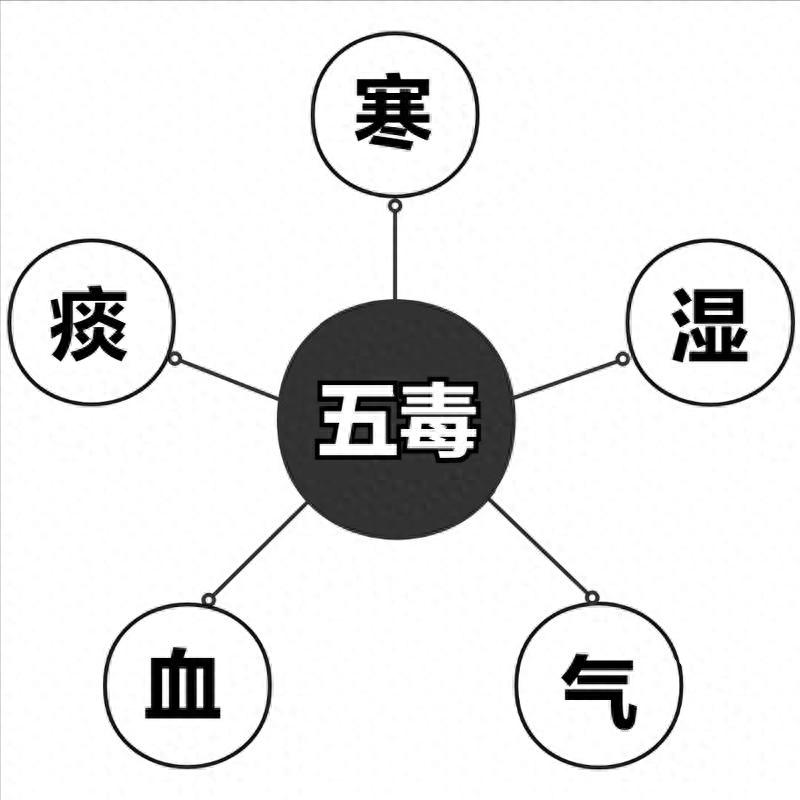
Let's first talk about why Wu Ji San can tackle so many "toxins." Traditional Chinese Medicine holds that the human body is like a precise instrument, with various organs and meridians cooperating to maintain normal bodily function. However, when invaded by external pathogenic factors or affected by poor lifestyle habits, it becomes easy for various "toxins" to form, impacting health.
First, let's talk about cold toxin. When cold pathogens invade the human body, it's like shutting the doors and windows of a house in winter—the flow of qi and blood becomes sluggish, and various parts of the body do not receive adequate nourishment, leading to symptoms such as aversion to cold, cold hands and feet, and joint pain. The formula Wuji Powder uses several herbs: Ephedra, Cinnamon Bark, Dahurian Angelica Root, and Dried Ginger. Ephedra induces sweating and releases the exterior, opening the pores and providing an outlet for cold pathogens; Cinnamon Bark warms and tonifies kidney yang, akin to adding a small stove to the body to dispel cold; Dahurian Angelica Root dispels wind and scatters cold, unblocks orifices, and relieves pain; Dried Ginger warms the middle and disperses cold, warming the spleen and stomach, improving their functions and enabling them to better resist cold pathogens.
Next, let's discuss damp toxin. Damp pathogens are sticky and greasy, like glue, easily obstructing the flow of qi and blood, making one feel heavy and fatigued, with symptoms such as sticky stools and a thick, greasy tongue coating. Atractylodes and Magnolia Bark in Wuji Powder have the effect of dispelling dampness. Atractylodes dries dampness and strengthens the spleen, "drying out" the dampness in the body; Magnolia Bark moves qi and dries dampness, ensuring the smooth flow of qi and making it easier for dampness to be expelled from the body.
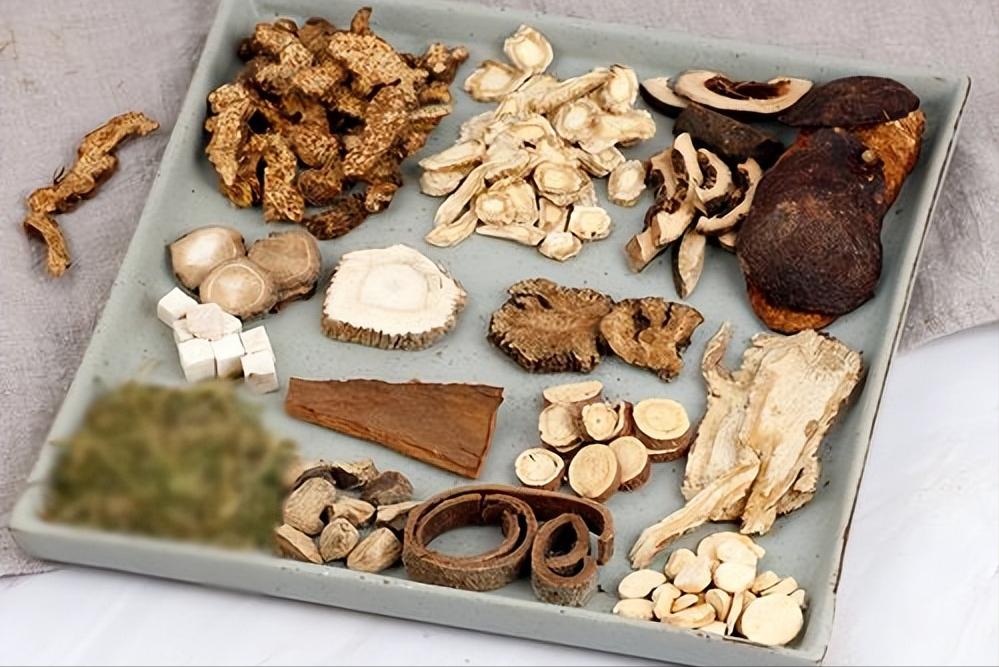
Phlegm toxin is another common "toxin." The accumulation of phlegm-dampness in the body can affect the functions of the internal organs, leading to symptoms such as coughing, expectoration, and chest tightness. The four herbs in Wuji Powder—Pinellia, Poria, Tangerine Peel, and Licorice—form the Er Chen Decoction, a classic formula in traditional Chinese medicine for transforming phlegm. Pinellia dries dampness and transforms phlegm, "dissolving" phlegm-dampness; Poria strengthens the spleen and promotes diuresis, allowing dampness to be expelled through urine; Tangerine Peel regulates qi and strengthens the spleen, facilitating the transportation and transformation of phlegm-dampness; Licorice harmonizes the various herbs, enhancing the overall efficacy of the formula.
Blood toxin should not be overlooked either. Blood stasis can lead to poor circulation of qi and blood, resulting in symptoms such as pain, lumps, and a dull complexion. White Peony Root, Chinese Angelica, and Chuanxiong in Wuji Powder can invigorate blood and resolve stasis. White Peony Root nourishes blood and softens the liver, Chinese Angelica tonifies blood and invigorates blood, and Chuanxiong invigorates blood and moves qi. These three herbs work together to ensure the smooth flow of blood within the body.
The qi toxin is also crucial. Stagnation of qi movement can lead to symptoms such as emotional depression, and distension and pain in the chest and hypochondriac regions. In Wuji Powder, Fructus Aurantii, Radix Platycodonis, and Cortex Magnoliae Officinalis can regulate qi. Fructus Aurantii promotes qi flow to relieve distension in the middle burner, Radix Platycodonis diffuses the lung and benefits the throat, carrying the herbs upward, and Cortex Magnoliae Officinalis promotes qi flow and dries dampness. These three herbs together ensure the orderly ascent and descent of qi movement.
Finally, let's discuss the food toxin. Unrestrained eating and drinking can easily lead to food accumulation in the body, resulting in symptoms such as abdominal distension and poor appetite. Pericarpium Citri Reticulatae and Cortex Magnoliae Officinalis promote qi flow and aid digestion, helping to digest and expel the food toxin from the body.
Overall, Wuji Powder not only regulates qi, blood, phlegm-dampness, and food accumulation, but also eliminates pathogenic factors such as cold-dampness from the exterior and interior, zang-fu organs, and meridians. Once the cold-dampness in the body is dispelled and qi and blood flow smoothly, various ailments will naturally dissipate over time.
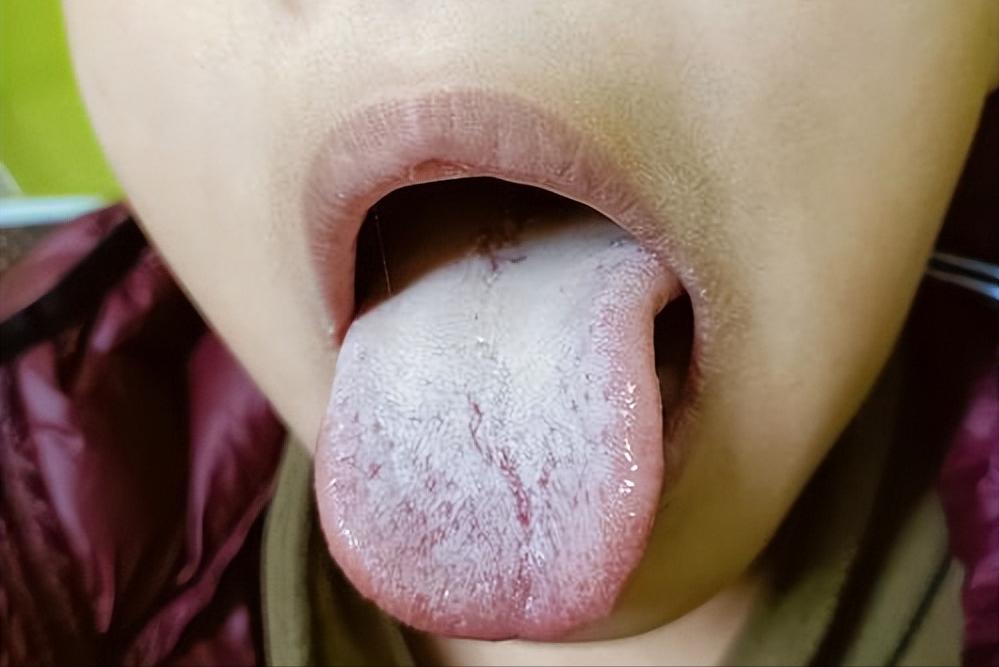
Let me share a real patient case. There was a patient, Lao Wang, in his 50s, whose health had been consistently poor. He often felt fatigued all over, would become breathless even after mild activity, and frequently experienced coughing with phlegm. His bowel movements were also loose, and his tongue coating was thick and greasy. He had tried various medications on his own, but the results were unsatisfactory. Later, he came to see me. After a thorough evaluation, I identified that his body had issues with cold-dampness, phlegm-dampness, and food stagnation. I prescribed him Wuji Powder. Following my instructions, Lao Wang took the formula consistently for a while. About two months later, when he returned, he looked completely revitalized. He said he now felt energetic, his coughing and phlegm had significantly improved, his bowel movements had returned to normal, and his tongue coating had cleared up.
However, although Wuji Powder is highly effective, it is not suitable for everyone. Each individual’s constitution and condition differ, so it is best to consult a professional traditional Chinese medicine practitioner before use. Let the doctor diagnose and treat according to your specific situation based on syndrome differentiation, in order to achieve better therapeutic results. I hope everyone can take their health seriously and use the wisdom of traditional Chinese medicine to regulate the body.